


Bolivia offers distinctive tourism attractions, including the Salar de Uyuni and La Paz. Tourism, dining, and urban commercial activities provide diverse application scenarios for shared power banks. Although Bolivia’s population and consumer market are relatively limited, shared power bank projects can prioritize major cities such as La Paz and Santa Cruz, as well as popular tourist destinations such as Uyuni.
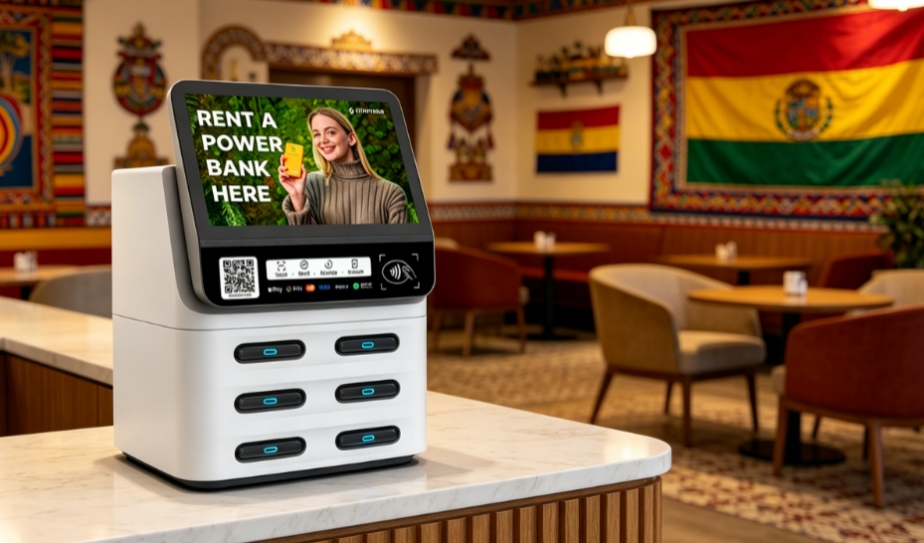
I. Shared Power Bank Market Analysis and Strategy in Bolivia
The shared power bank market in Bolivia currently has low overall coverage and limited competition, making it a niche market with promising opportunities. Users in urban areas show some acceptance of shared rental services, and mobile payment channels are available in cities. However, network connectivity may be limited in remote tourist destinations.
Market Revenue Model Analysis
-
Equipment: 100 shared power bank stations, each with 8 ports.
-
Average daily revenue per station: Three rentals per day per station, at an hourly rental rate of USD 1.5–3.
-
Estimated monthly revenue: Approximately USD 15,000–30,000.
-
Estimated payback period: Approximately 3–6 months, based on estimates that account for equipment costs, software fees, location fees, venue revenue-sharing arrangements, maintenance and management expenses, and actual order performance.
II. Shared Power Bank Solutions for Bolivia
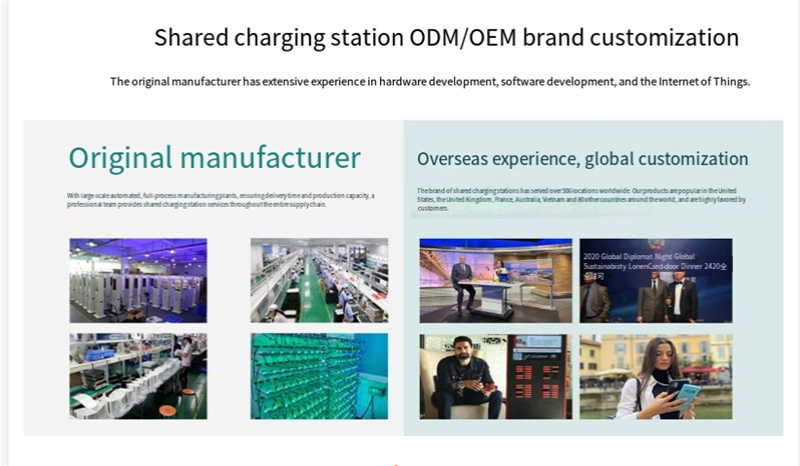
Zhongdian Core’s shared power bank factory has end-to-end manufacturing capabilities and independently developed software systems, supporting independent deployment and source code delivery. Its products are sold in more than 100 countries and regions, and it serves over 600 partner brands worldwide. For shared power bank projects in Bolivia, the company provides OEM/private-label customization, software systems, and hardware solutions to help partners build their own brands and establish a presence in the local market.
Steps to Launch a Shared Power Bank Project in Bolivia
1. Choose Reliable Partners
Select a shared power bank factory with strong manufacturing capabilities, technical expertise, and international market experience. Key evaluation criteria include company qualifications, integrated hardware and software solutions, production and delivery capabilities, and certifications required for market access. These factors can provide reliable support for a shared power bank project in Bolivia.
2. Plan Deployment Locations
Seek local channel partners and venue partners in Bolivia. Establish partnerships based on reasonable revenue-sharing arrangements to secure high-quality locations. Prioritize commercial districts, hotels, dining and entertainment venues, and popular tourist attractions in major cities and tourism destinations.
3. Manage Operations
After the shared power bank project launches in Bolivia, build brand awareness through social media videos, influencer promotions, advertising posters, and other promotional activities. Use backend data analysis to continuously optimize station placement and pricing strategies, improve equipment utilization, and increase overall project revenue.
 Company and Product Information Download


