


Nigeria is one of the most populous countries in West Africa, with a large young population and high smartphone adoption. Major cities such as Lagos and Abuja have diverse commercial activities, while local mobile payment services such as OPay and PalmPay are widely used. Unstable electricity supply makes mobile phone charging an essential everyday need, positioning Nigeria as a promising shared power bank market in Africa. Shopping districts, restaurants, bars, transportation hubs, and campuses all offer strong potential for station deployment.
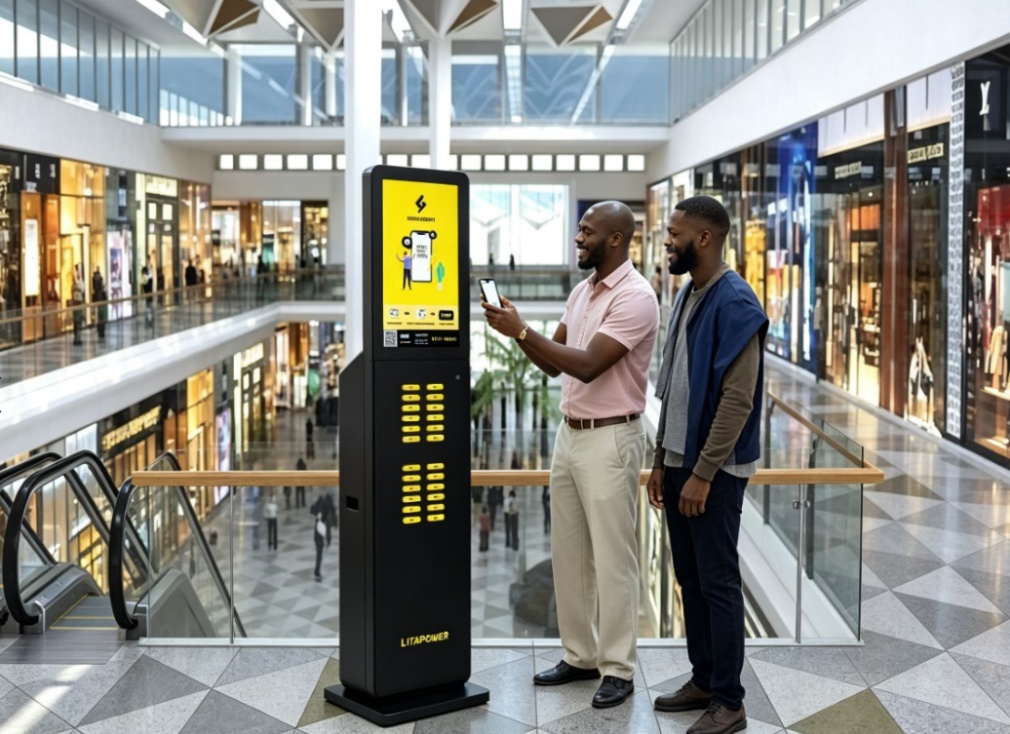
I. Shared Power Bank Market Analysis and Strategy in Nigeria
The shared power bank market in Nigeria currently has relatively low overall coverage, with few market participants and limited competition. Young consumers are receptive to shared rental services, and the local e-wallet ecosystem is well established. These conditions make it worthwhile to prioritize deployment in cities such as Lagos, Abuja, and Port Harcourt.
How to Start a Shared Power Bank Business in Nigeria
First, find reliable partners. Choose a shared power bank factory with strong manufacturing capabilities, technical expertise, and international market experience. Key factors to evaluate include company qualifications, integrated hardware and software solutions, production and delivery capabilities, and certifications required for market access. These measures can help reduce the risks associated with launching the project.
Recommended Shared Power Bank Factory
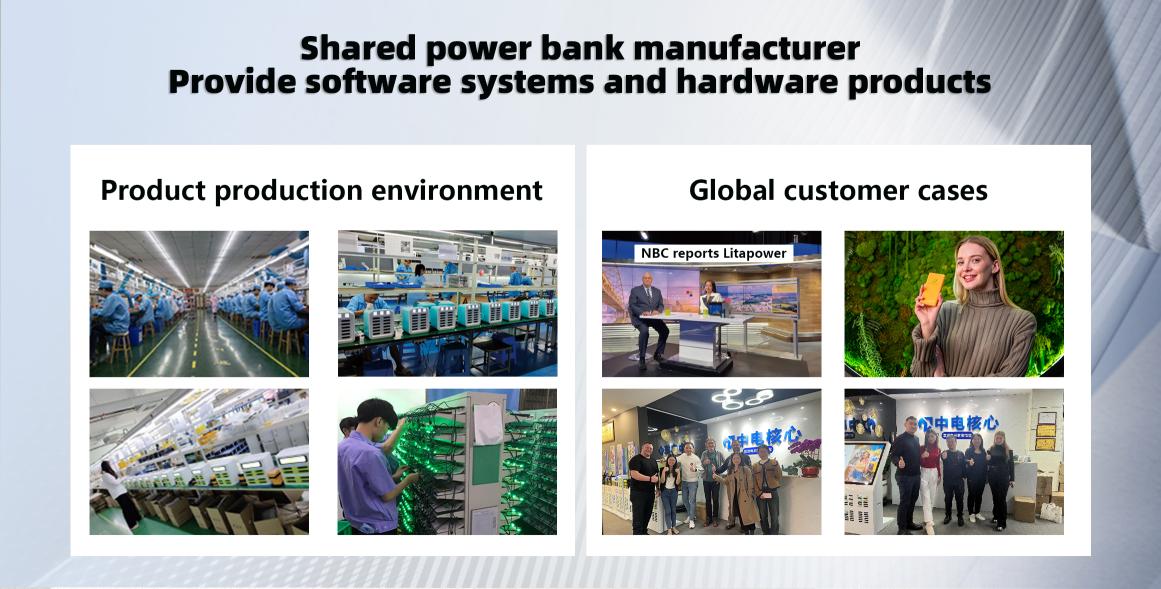
Zhongdian Core has end-to-end manufacturing capabilities and independently developed software systems, supporting independent deployment and source code delivery. Its products are sold in more than 100 countries and regions, and it serves over 600 partner brands worldwide. For shared power bank projects in Nigeria, the company provides OEM/private-label customization, shared power bank software, and hardware solutions, helping partners build their own brands and establish a presence in the local market.
Shared Power Bank Station Deployment
Prioritize high-quality locations with steady foot traffic and longer customer dwell times. Work with local channel partners, venue operators, and operational partners in Nigeria to negotiate reasonable revenue-sharing arrangements. Suitable locations for shared power banks in Nigeria include shopping malls, restaurants, hotels, bars, and entertainment venues.
II. Revenue Opportunities for Shared Power Banks in Nigeria
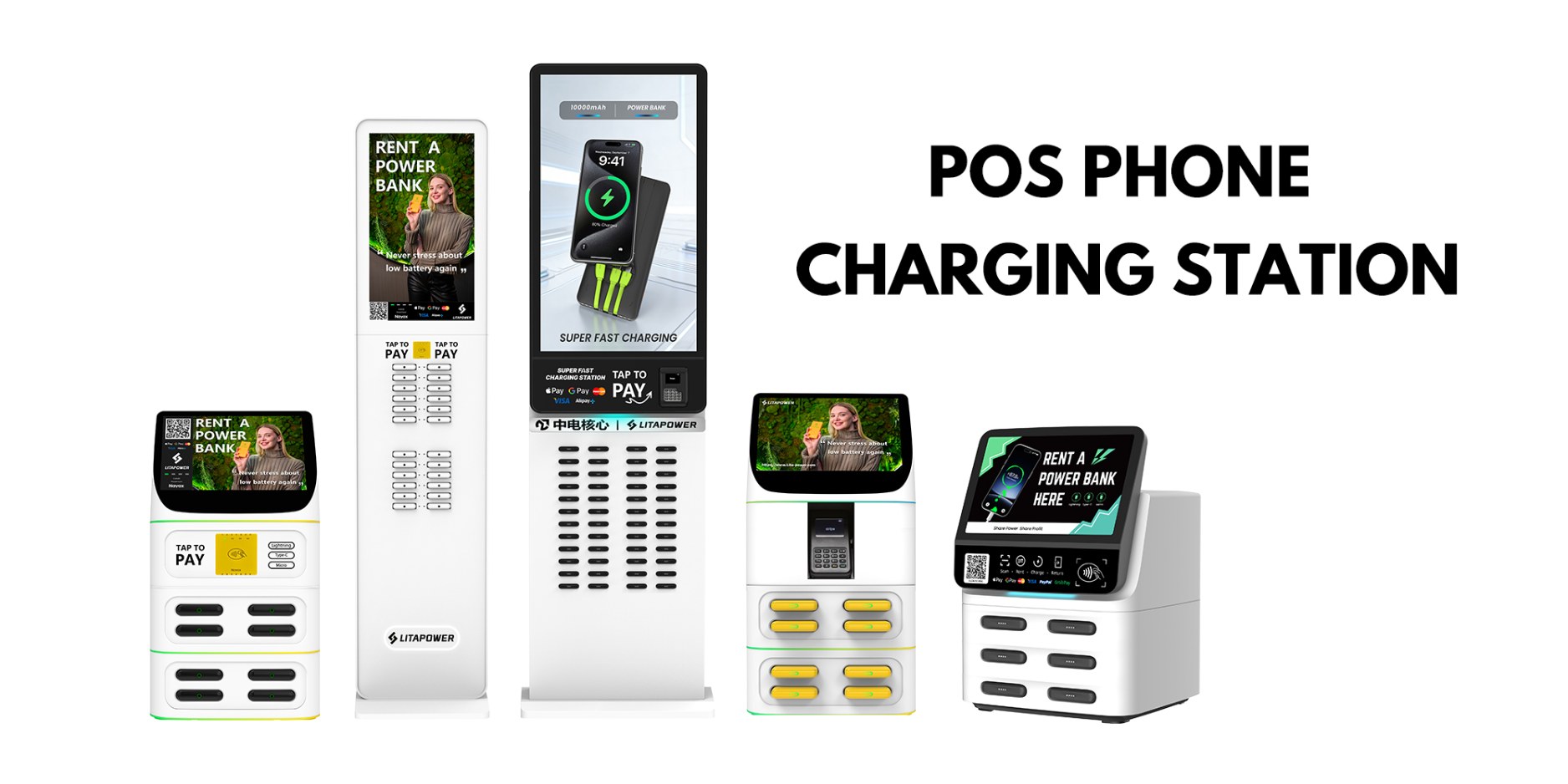
After launching a shared power bank project in Nigeria, operators should continue promoting the brand through social media videos, influencer collaborations, advertising posters, and joint promotions with local businesses to build market awareness. Pricing strategies should reflect local purchasing power and operating costs. Operators can also develop membership promotions, expand advertising partnerships, and use backend data on orders, equipment utilization, and revenue to optimize station deployment.
Revenue Models Explained
1. User Rental Fees
Users pay according to the rental duration when borrowing and returning shared power banks. Pricing should be determined based on local purchasing power, operating costs, and competitive conditions. A range of USD 1–5 can be used as an initial reference for financial modeling, but it should not be interpreted as a standard market price in Nigeria. Rental fees are an important source of cash flow for shared power bank projects in Nigeria.
2. Advertising Revenue
Shared power bank stations can serve as offline advertising touchpoints. Operators can develop additional revenue streams beyond rentals through advertising on cabinets with screens, stickers on equipment, brand sponsorships, and promotional partnerships for events and campaigns.
3. Business Expansion
A shared power bank network can extend beyond power bank rentals and connect strategically valuable resources, including users, merchants, payment infrastructure, and physical venues. For example, merchant marketing campaigns can encourage customer engagement and spending, while integrated venue services and event-based projects can create additional business opportunities.

 Company and Product Information Download


