


Peru’s shared power bank market has considerable development potential. As an important tourism destination in South America, Peru boasts rich historical and cultural heritage, natural attractions, and commercial consumer resources. According to data from Peru’s Ministry of Foreign Trade and Tourism (MINCETUR), the country received 4.1575 million international visitors in 2025, representing a year-on-year increase of 4.1% (MINCETUR, 2026). This provides a favorable market opportunity for shared power bank projects.
I. Insights into Peru’s Shared Power Bank Market
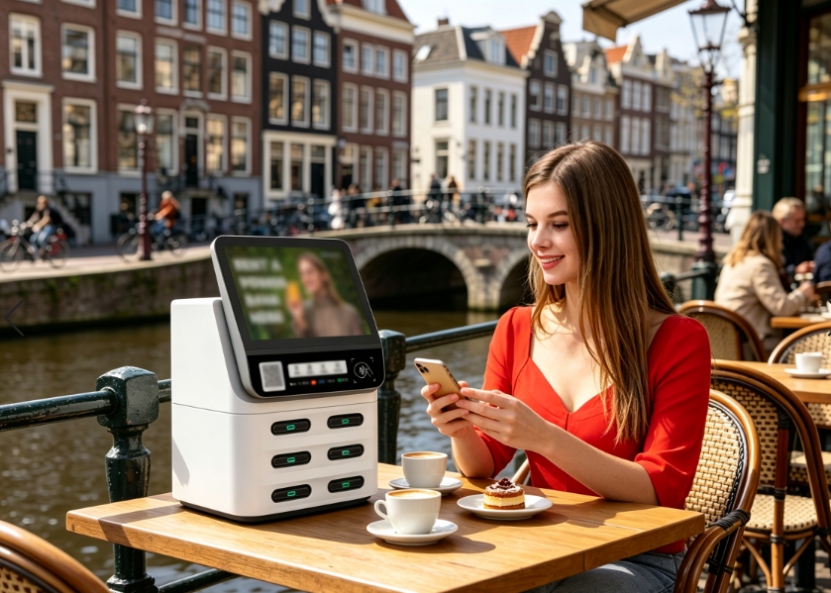
Several shared power bank brands are already operating in Peru. Brand Cxxx offers app-based QR code rentals, station searches, and returns at different locations. Brand Fxxx has also launched a shared power bank rental application. However, only a limited number of brands have established a presence in major commercial districts of popular cities such as Lima and Cusco. The market has not yet developed a dominant brand, and overall penetration remains relatively low. Beyond the main urban centers, many distinctive tourist destinations still offer considerable room for market development.
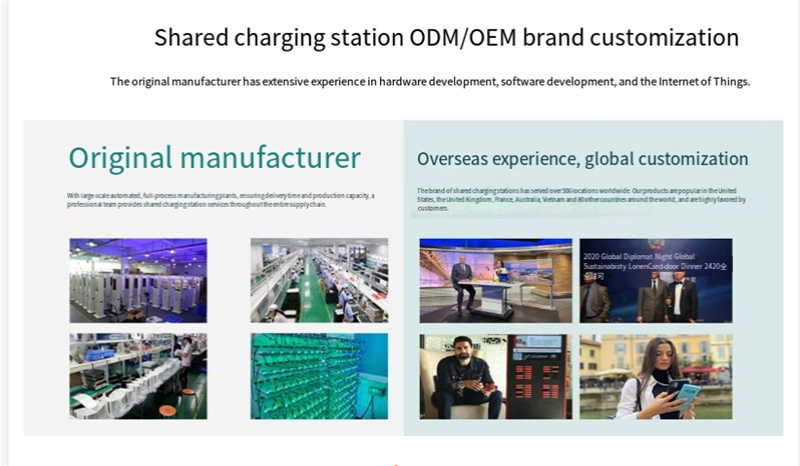
Meanwhile, Chinese supply chain providers from Shenzhen, such as Litapower under Zhongdian Core, offer shared power bank hardware, SaaS operations and management systems, and OEM/ODM private-label customization services. By integrating local payment methods such as Yape and Plin, as well as bank cards and NFC payments, these solutions help local entrepreneurs build their own brands and expand into hotels, shopping malls, restaurants, and tourism-related locations.
II. Multi-Scenario Deployment of Shared Power Banks in Peru
How can operators secure suitable locations? Investors can seek partnerships with established local distributors, channel partners, and other businesses, using revenue-sharing arrangements to secure high-quality locations. Regular promotional campaigns can encourage more young consumers to try shared power bank services. Backend data can also be used to understand user behavior and preferences, enabling operators to develop more targeted marketing strategies.
1. Ica and Paracas — Coastal Tourism and Natural Attraction Destinations
City characteristics: The region features tourism resources such as the Ballestas Islands, the Paracas National Reserve, and the Nazca Lines. These attractions make it suitable for deploying shared power banks in locations where visitors tend to spend extended periods (CEPLAN, 2025).
Priority locations: Tourist hotels, coastal restaurants, attraction entrances, travel agencies, and commercial streets.
2. Piura and Máncora — Beach Resorts and Nighttime Consumer Market

City characteristics: This is an important coastal tourism area in northern Peru, featuring beaches, resort hotels, surfing, and nighttime entertainment. These activities create suitable scenarios for shared power bank rental services.
Priority locations: Beachfront hotels, bars, restaurants, shopping streets, and resort centers.
3. Iquitos — Amazon Ecotourism and Urban Commercial Center
City characteristics: Iquitos is an important tourism gateway to the Amazon region. Visitors often take part in river excursions, ecotourism activities, and urban leisure experiences, creating potential deployment opportunities in hotels and tourism service locations.
Priority locations: Tourist hotels, travel agencies, dining centers, commercial streets, and transportation hubs.
Peru’s shared power bank market is still expanding. Although several brands have entered the market, no dominant player has yet established a monopoly, leaving room for further competition and development. While Lima and Cusco are major markets, many second- and third-tier cities, tourist destinations, and commercial areas across Peru remain underdeveloped. Hotels, restaurants, shopping malls, bars, and tourist attractions offer numerous potential locations for shared power bank deployment.

 Company and Product Information Download


