


Colombia’s shared power bank market has considerable development potential. According to 2025 data from Colombia’s National Planning Department, the country received approximately 6.496 million non-resident visitors. Meanwhile, the central bank’s instant payment system, Bre-B, had more than 36 million users by October 2026, with QR code payments accounting for 37% of transaction volume. These developments provide a favorable payment foundation for QR-code-based shared power bank rentals and localized operations. (Central Bank of Colombia, 2026)
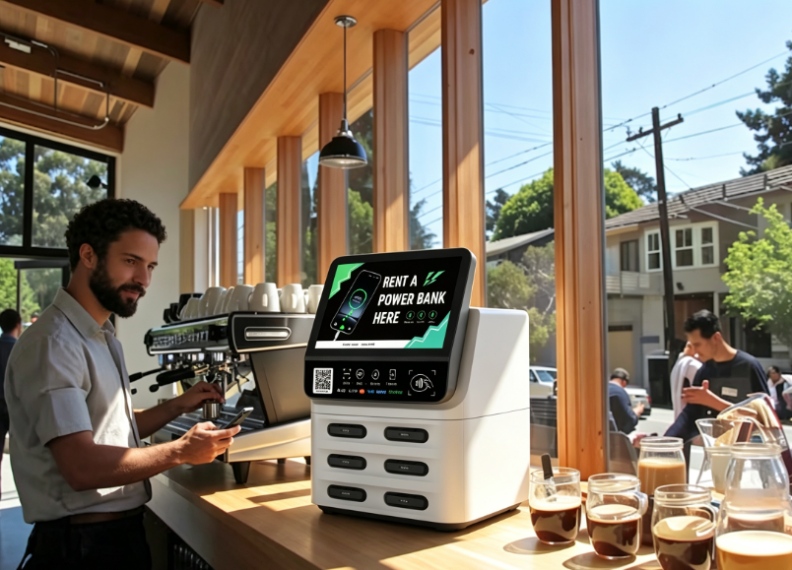
I. Insights into Colombia’s Shared Power Bank Market
Several shared power bank brands are already operating in Colombia. According to its official information, brand Yxxx has deployed more than 500 devices in Bogotá and plans to expand further. Brand Mxxx has reported over 9,000 active users and announced plans to expand to more than 1,000 charging stations. These developments indicate that Colombia is not an entirely untapped market. Competition has already emerged in major cities, although the national market has not yet developed a unified brand monopoly.
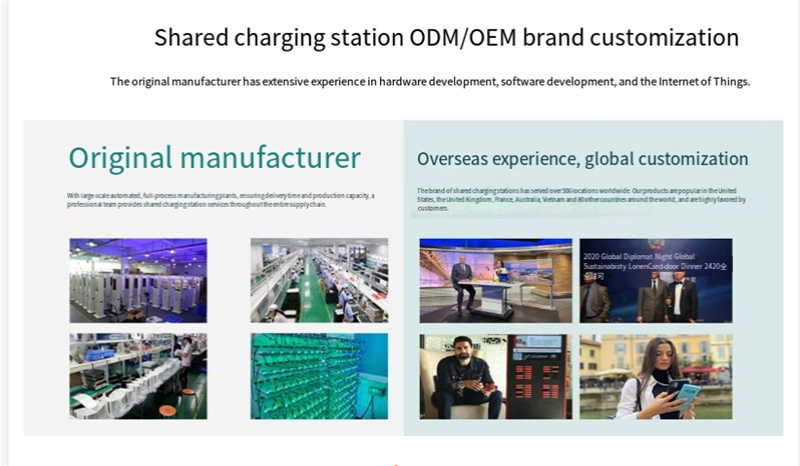
Supply chain providers from Shenzhen, China, including Litapower by Zhongdian Core, have also become important suppliers to medium-sized shared power bank brands in Colombia. They provide advanced SaaS systems and hardware solutions. Many local Colombian entrepreneurs and investors import equipment through OEM private-label customization services and operate under their own local brands, targeting emerging tourist cities, distinctive commercial streets, and facilities supporting tourist attractions.
II. Multi-Scenario Deployment of Shared Power Banks in Colombia
Investors can seek partnerships with established local distributors, hotels, and commercial operators. Revenue-sharing arrangements can help secure high-quality deployment locations. Promotional campaigns can be launched regularly to attract younger users. Meanwhile, backend data analysis can be used to track rental frequency, device utilization, and regional consumption patterns, allowing operators to continuously optimize their strategies.
1. Manizales — A Center for Coffee Culture and Urban Commercial Consumption
City profile: Located in Colombia’s coffee-growing region, Manizales offers universities, commercial districts, and coffee-related cultural tourism resources. According to Colombia’s DANE 2024 Domestic Tourism Survey, the domestic tourism participation rate among residents of the Manizales metropolitan area reached 20.9%, indicating an established tourism and consumer market. (Colombia Travel, official tourism information)
Priority locations: Cafés, shopping centers, areas around universities, restaurants, and hotels.
2. Popayán — A Historical and Cultural Tourism Market with Festival Demand
City profile: Popayán is known for its colonial-era architecture, religious culture, and traditional festivals. These attractions draw domestic and international visitors, creating opportunities for tourism services and supporting commercial facilities.
Priority locations: Historic districts, tourist hotels, specialty restaurants, cafés, and cultural event venues.
3. Pasto — A Regional Commercial and Tourism Consumption Center

City profile: Pasto is an important city in southern Colombia, with tourism resources including volcanoes, natural landscapes, and the Black and White Carnival. In 2024, the Macizo region, where Pasto is located, received 6,202 foreign non-resident visitors, making it an important tourism destination in the area. (ProColombia, 2026 Investment Guide)
Priority locations: Shopping centers, hotels, festival venues, restaurant streets, and transportation hubs.
Colombia’s shared power bank market is still expanding. Although several brands have already entered the market, no dominant monopoly has emerged, leaving room for further market development. Beyond major cities such as Bogotá and Medellín, many second- and third-tier cities, tourist destinations, and commercial areas remain underdeveloped. Locations such as hotels, restaurants, shopping malls, bars, and tourist attractions offer considerable potential for additional device deployments.

 Company and Product Information Download


