Chile has a mature digital payment infrastructure, a stable commercial consumer market, and abundant natural tourism resources. According to data from Chile’s Ministry of Economy, Development and Tourism and the National Tourism Service (SERNATUR), Chile welcomed 6.0046 million international visitors in 2025, representing a year-on-year increase of 14.6% and the highest figure since 2017 (Ministry of Economy, Development and Tourism of Chile and SERNATUR, 2026). Meanwhile, the Central Bank of Chile’s 2026 payment systems report shows that residents aged 15 and above made an average of 435 digital payments per person during the year, with debit cards, prepaid cards, and contactless payments continuing to grow (Central Bank of Chile, 2026).
I. Insights into Chile’s Shared Power Bank Market
Several shared power bank brands have already entered the Chilean market. Brand Pxxx supports returns at different stations, while brand Cxxx accepts Visa, Mastercard, and certain NFC payment methods (official brand websites, 2026). This indicates that Chile’s shared power bank market has established a certain operational foundation. However, there is currently insufficient publicly available data to verify nationwide brand coverage or market shares, making regional markets worth further investigation.
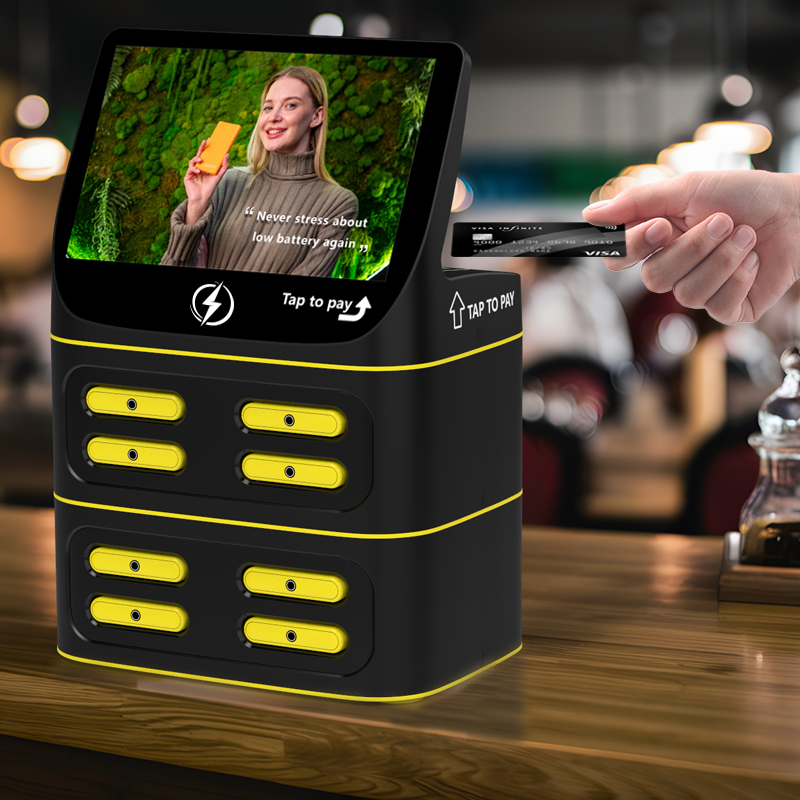
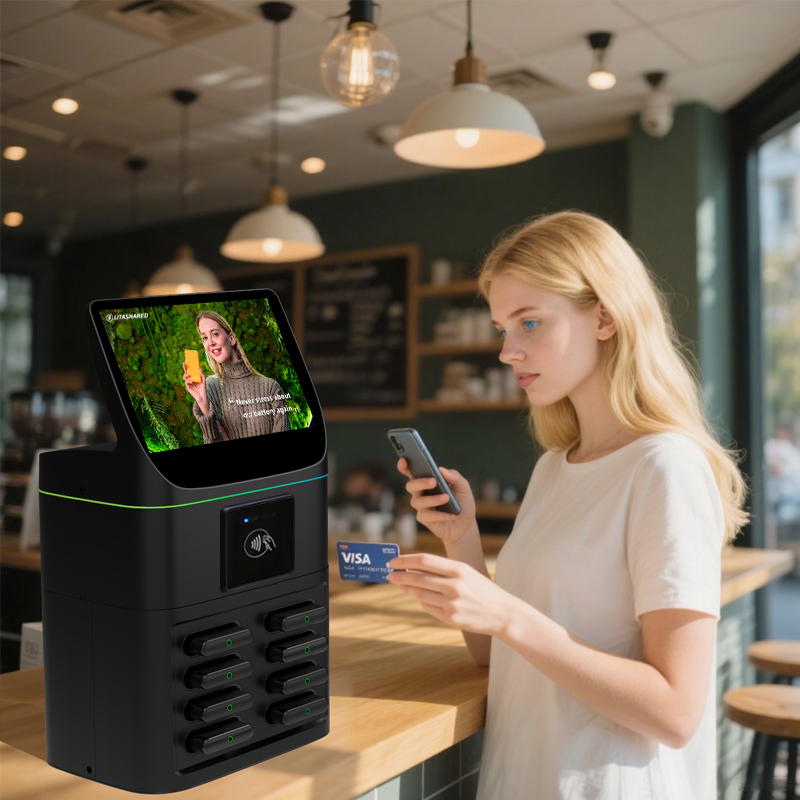
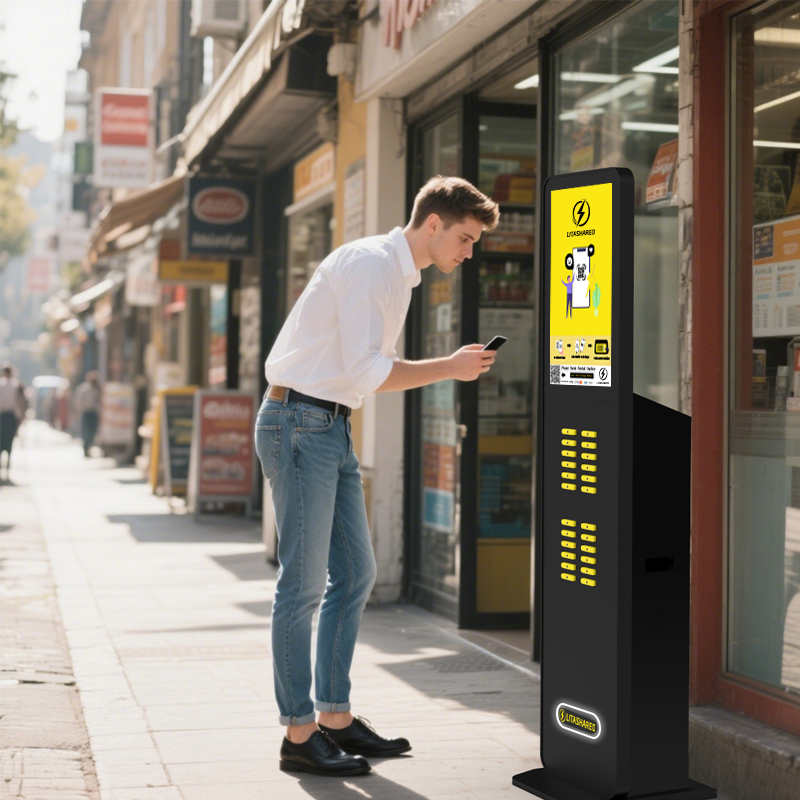
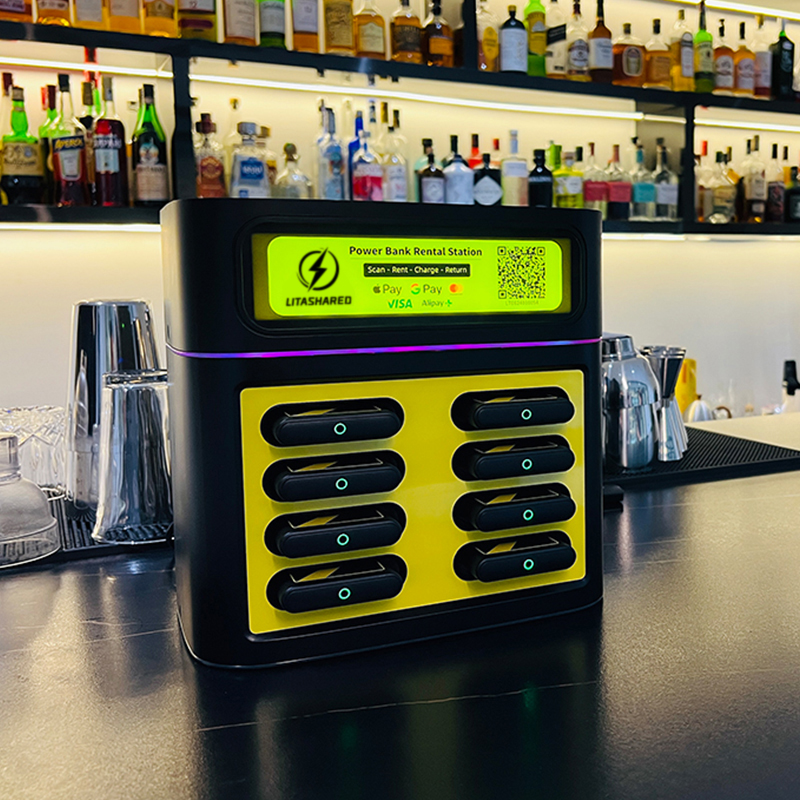
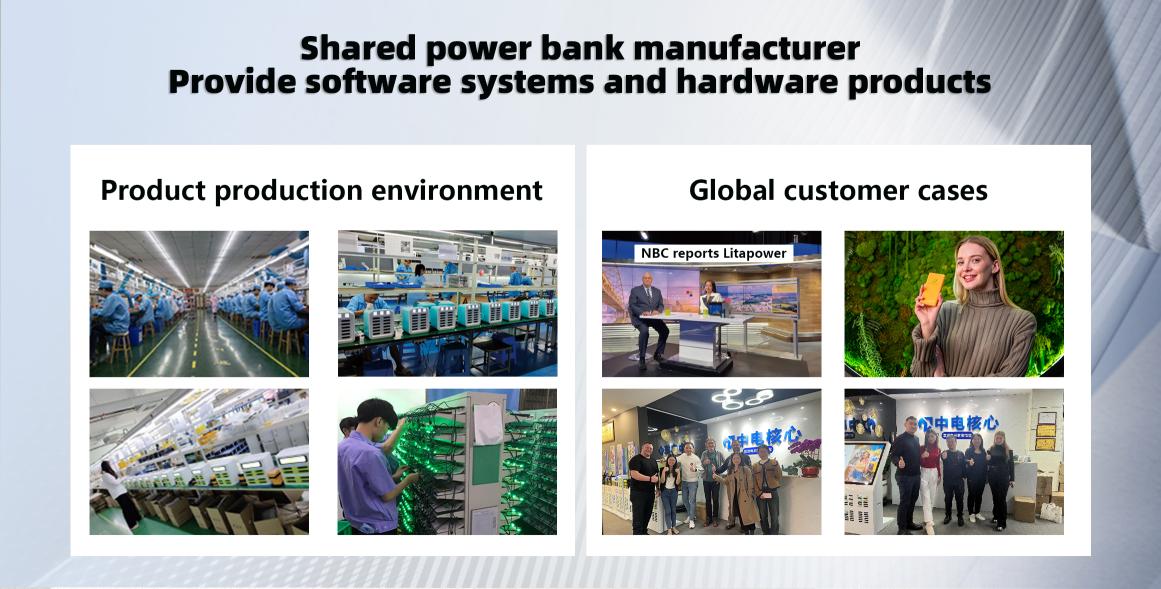
Chinese supply chain providers from Shenzhen, including Litapower under Zhongdian Core, have also become key suppliers to medium-sized shared power bank brands in Chile. They provide internationally competitive SaaS systems and hardware solutions. Many local entrepreneurs and investors in Chile import equipment through OEM private-label customization services and operate it under their own local brands, targeting regional opportunities such as distinctive towns, tourist destinations, and emerging commercial streets.
II. Multi-Scenario Deployment of Shared Power Banks in Chile
Investors can seek partnerships with established local distributors, hotels, and commercial operators. Revenue-sharing arrangements can help secure high-quality locations. By analyzing backend data, including device utilization, rental frequency, and user consumption habits, operators can continuously refine their operating strategies.
1. La Serena and Coquimbo — Coastal Tourism and Commercial Consumption Centers
City characteristics: These cities form an important coastal tourism area in northern Chile, featuring beaches, resort hotels, and commercial districts. They are suitable for shared power bank services targeting tourism and leisure consumption.
Priority locations: Coastal hotels, shopping malls, restaurants, cafés, and tourist attractions.
2. Pucón — Nature Tourism and Outdoor Holiday Market

City characteristics: Pucón is a well-known tourist destination in Chile. It recorded approximately 744,900 overnight trips in 2024 and offers attractions such as volcanoes, lakes, and outdoor sports activities. Visitors often spend extended periods away from accommodation, creating practical demand for mobile charging services (SERNATUR Tourism Big Data, 2024).
Priority locations: Resort hotels, areas around ski resorts, tourist attractions, restaurants, and outdoor recreation centers.
3. Puerto Montt and Surrounding Areas — Southern Tourism and Transportation Consumption Center
City characteristics: Puerto Montt is an important commercial and transportation hub in southern Chile. It is also a major gateway to the Lake District and some tourist destinations in Patagonia. Hotels, restaurants, and transportation-related consumer services are concentrated in the area.
Priority locations: Transportation hubs, shopping malls, hotels, restaurants, and tourist service centers.
Chile’s shared power bank market already has operating brands, but there is still room for further expansion. Beyond major commercial areas such as Santiago, tourism and regional commercial cities including La Serena, Pucón, and Puerto Montt deserve closer attention. By combining the local digital payment environment with the manufacturing capabilities of Shenzhen’s supply chain and OEM private-label customization services, investors can gradually expand into the hotel, restaurant, shopping, and tourism markets through local brand operations and differentiated location strategies.
 Company and Product Information Download