


Nicaragua’s tourism industry and related sectors, including dining, accommodation, and transportation, continue to develop. In 2025, tourism value added grew by 11.6% year over year, creating potential market opportunities for shared power banks in Nicaragua. With the development of digital wallets, bank cards, and electronic payment channels, shared power banks can prioritize tourist attractions, commercial centers, and high-traffic consumer locations.
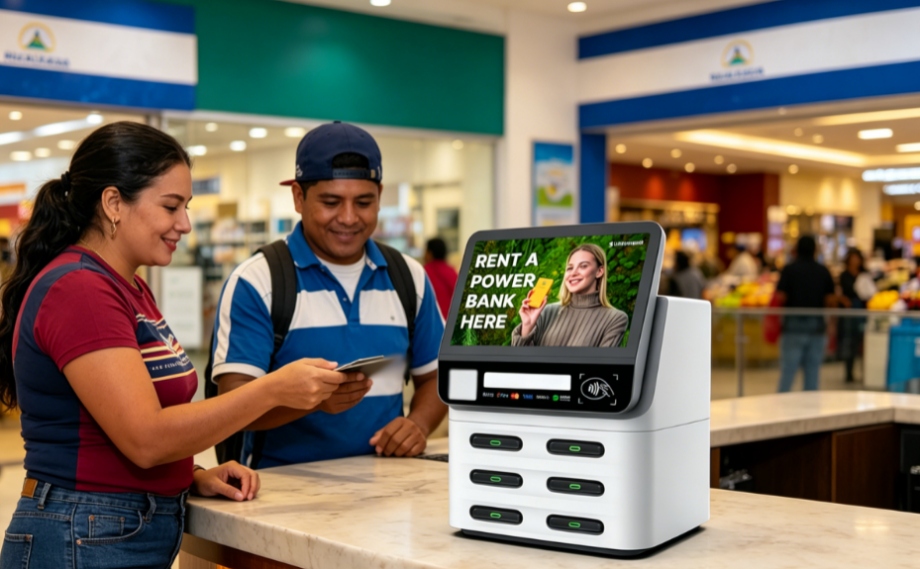
I. Nicaragua Shared Power Bank Market Analysis and Strategy
Business travelers and tourists in Nicaragua generate steady demand for temporary charging. Mobile payments and bank card payments are gradually becoming more widespread, while consumer acceptance of rental-based sharing services continues to increase. Currently, the local supply of shared charging services remains limited and market competition is relatively low. Early deployment can help operators secure prime locations in commercial districts and tourist attractions, giving shared power bank projects in Nicaragua considerable market potential.
Implementation Steps for Launching a Shared Power Bank Business in Nicaragua
(1) Choose an ODM Manufacturer
Prioritize ODM manufacturers with relevant product certifications, mature software systems, and overseas project experience, such as Zhongdian Core, to reduce project preparation time. Advance the implementation of shared power bank projects in Nicaragua through equipment customization, system deployment, and payment solution evaluation.
(2) Payment Integration and Localized UI
Shared power bank projects in Nicaragua can evaluate local bank-based electronic payments, digital wallets, QR-code payments, and bank card options such as Visa and Mastercard. Payment integration should be based on the actual capabilities and support offered by local payment providers. The system interface should support Spanish and English to accommodate local users and international tourists.
(3) Shared Power Bank Deployment
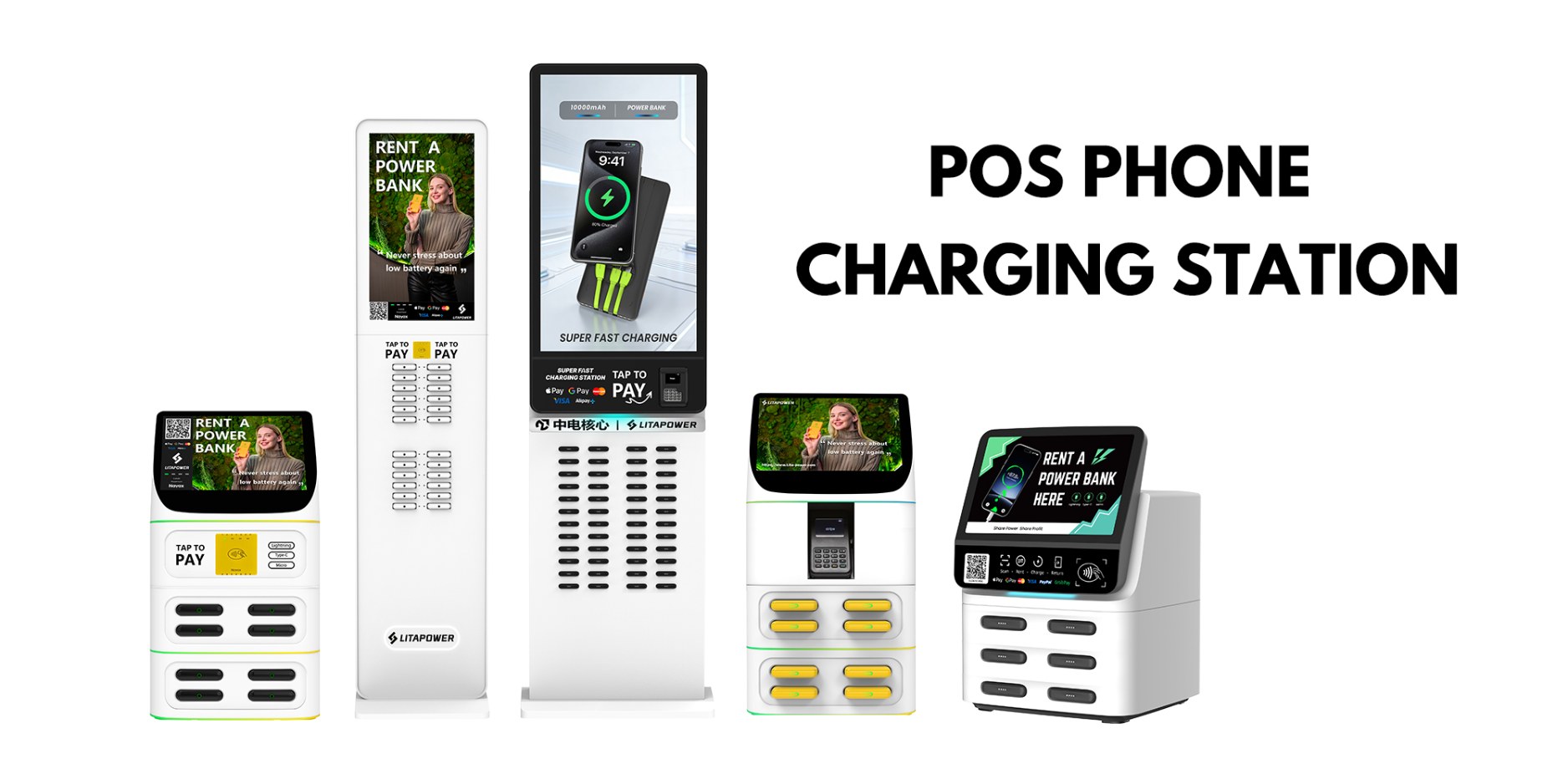
For the initial rollout, consider deploying 100–300 charging cabinets on a trial basis in commercial areas of Managua, shopping malls, hotels, dining and entertainment venues, as well as tourist destinations such as Granada and San Juan del Sur. Cooperate with local channel partners, agents, and venue operators to gradually expand the coverage of shared power banks in Nicaragua.
(4) Backend Management and Operations
Shared power bank equipment in Nicaragua can synchronize device status, order information, and revenue data through a remote backend system. Operators can adjust locations, rental rates, and promotional offers according to rental frequency. Additional revenue can be generated through advertising partnerships, membership services, and other value-added offerings.
II. How to Operate a Shared Power Bank Business in Nicaragua: An Analysis of Profit Models
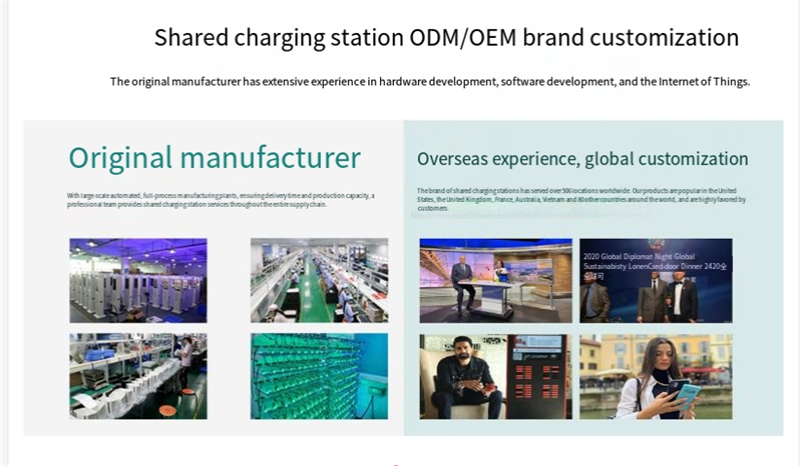
Litapower, the overseas brand of Zhongdian Core shared power bank factory, provides software and hardware solutions as well as OEM private-label customization services for the shared power bank market in the Americas. According to project requirements, the company can provide multilingual systems, payment integration solutions, operational models, and training on rental pricing standards to help partners implement shared power bank projects in Nicaragua.
Profit Models for Shared Power Banks in Nicaragua
Shared power bank businesses in Nicaragua can adopt proven revenue models from the Chinese market. The primary revenue source is hourly rental fees, with prices adjusted dynamically according to time periods and holidays. Charging cabinets with screens can generate additional advertising revenue through commercial partnerships. Regular promotions and membership top-up programs can further improve user retention and increase the overall profitability of the project.
 Company and Product Information Download
.jpg)

.jpg)

.jpg)
.jpg)
.jpg)


