


Tanzania is an important tourism destination in East Africa, home to popular attractions such as Serengeti National Park and the Zanzibar Islands. The tourism, hotel, and restaurant industries offer potential application scenarios for shared charging services. In 2025, Tanzania welcomed approximately 2.294 million international tourists and generated about USD 4.41 billion in tourism revenue, representing year-on-year growth of 13%. These developments create new opportunities to explore the shared power bank market in Tanzania.
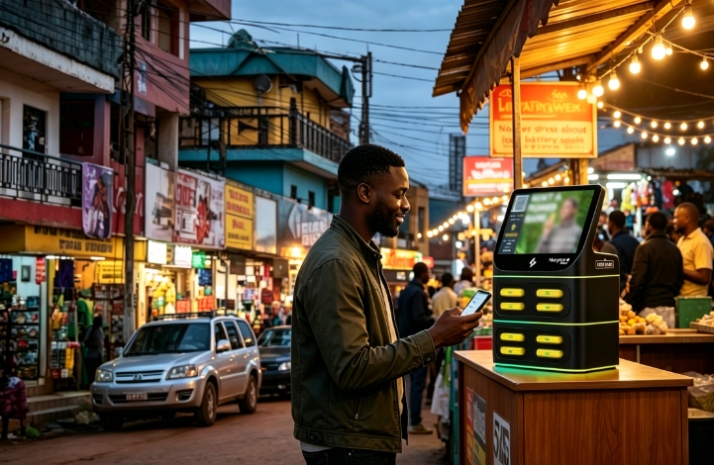
I. Shared Power Bank Market Analysis and Strategy in Tanzania
Shared power bank projects in Tanzania can prioritize cities and tourist destinations such as Dar es Salaam, Arusha, and Zanzibar. Potential locations include shopping malls, hotels, restaurants, cafés, areas around airports, and commercial facilities serving tourist attractions. With mobile payments widely used locally, operators can explore integration with local digital wallets and international card payments. Priority deployment locations include tourist attractions, beachfront hotels, downtown commercial districts, and transportation hubs with high customer traffic.
How to Start a Shared Power Bank Business in Tanzania
1. Find Reliable Partners
Choose a shared power bank factory with strong manufacturing capabilities, technical expertise, and international market experience. Key factors to evaluate include company qualifications, integrated hardware and software solutions, production and delivery capabilities, and product certifications to help ensure successful project implementation.
Recommended Shared Power Bank Factory
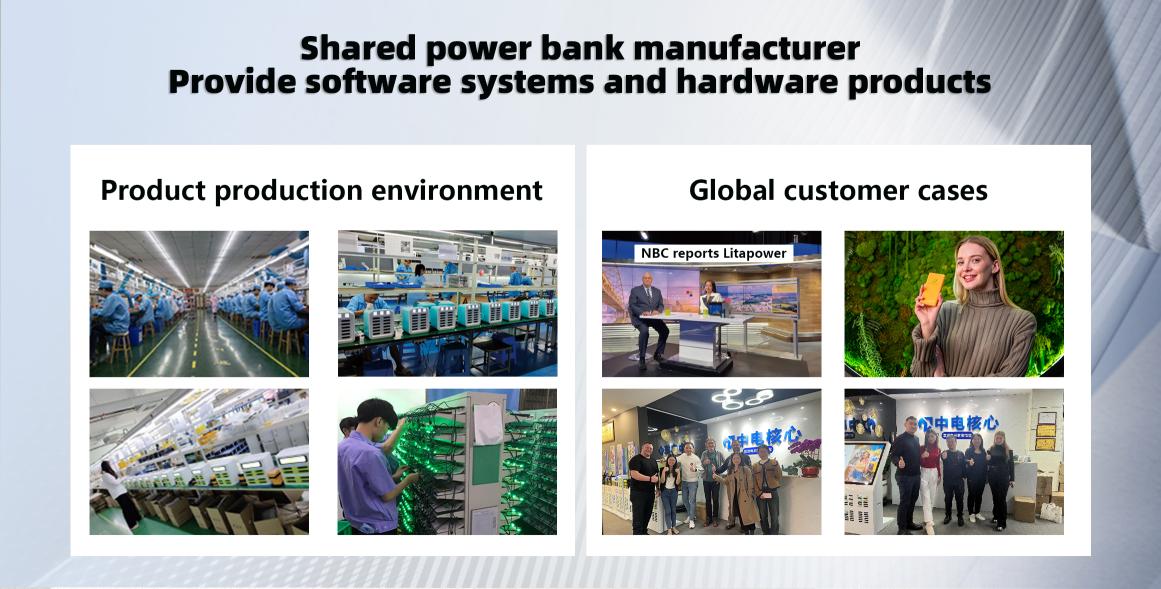
Zhongdian Core has end-to-end manufacturing capabilities and independently developed software systems, supporting independent deployment and source code delivery. Its products are sold in more than 100 countries and regions, and it serves over 600 partner brands worldwide. The company has also completed shared power bank projects in Tanzania. It can provide OEM/private-label customization, shared power bank software, and hardware solutions to help partners build their own brands and develop their presence in the local market.
2. Deploy Shared Power Bank Stations
Prioritize high-quality locations with heavy foot traffic and longer customer dwell times. Work with local channel partners, venue operators, and operational partners in Tanzania to negotiate reasonable revenue-sharing arrangements and gradually expand the network of deployment locations.
II. Revenue Models for Shared Power Banks in Tanzania
Choose high-quality usage scenarios and work with established local agents, distributors, and channel partners in Tanzania. Establish partnerships based on agreed revenue-sharing arrangements to secure desirable locations. Shared power bank stations with screens can also provide advertising opportunities for venue operators, such as cabinet stickers and on-screen advertisements, creating additional advertising revenue.
Revenue Models Explained
1. User Rental Fees
Users pay according to the rental duration when borrowing and returning shared power banks. A price range of USD 1–5 per rental can serve as an initial reference for pricing calculations. Actual prices should be determined based on local purchasing power, operating costs, and competitive conditions. Rental fees are an important source of cash flow for shared power bank projects in Tanzania.
2. Advertising Revenue
Shared power bank stations can serve as offline advertising touchpoints. Operators can develop additional revenue streams beyond rentals through advertising on cabinets with screens, stickers on equipment, brand sponsorships, and promotional partnerships for events and campaigns.
 Company and Product Information Download


