


Ethiopia is one of the most populous countries in East Africa, and its capital, Addis Ababa, is an important commercial center and aviation hub. With the development of urban commerce, mobile internet, and digital payments, shopping malls, hotels, dining establishments, and areas around airports offer valuable application scenarios and revenue opportunities for shared power banks in Ethiopia.
I. Shared Power Bank Market in Ethiopia
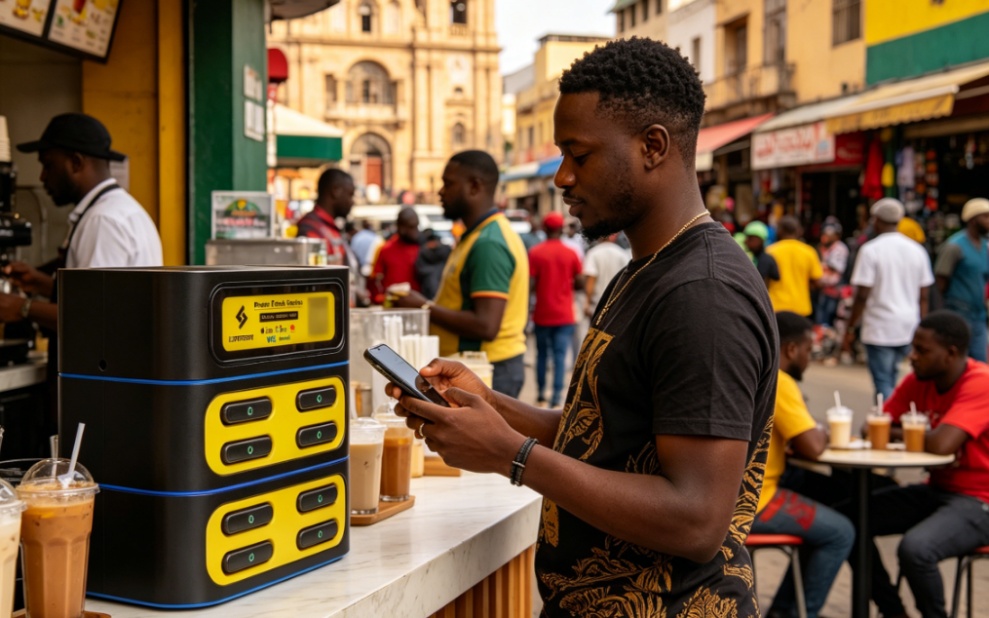
The shared power bank market in Ethiopia currently has relatively low overall coverage and limited competition, making it a promising emerging market. Acceptance of shared charging services is gradually increasing among local young people and international visitors. Operators can prioritize major cities such as Addis Ababa and explore locations including shopping malls, hotels, restaurants, cafés, areas around airports, and tourist attractions. As digital payments continue to develop locally, mobile payment services such as Telebirr, M-PESA, and CBE Birr can be considered when planning local payment integration.
How to Start a Shared Power Bank Business in Ethiopia
1. Find Reliable Partners
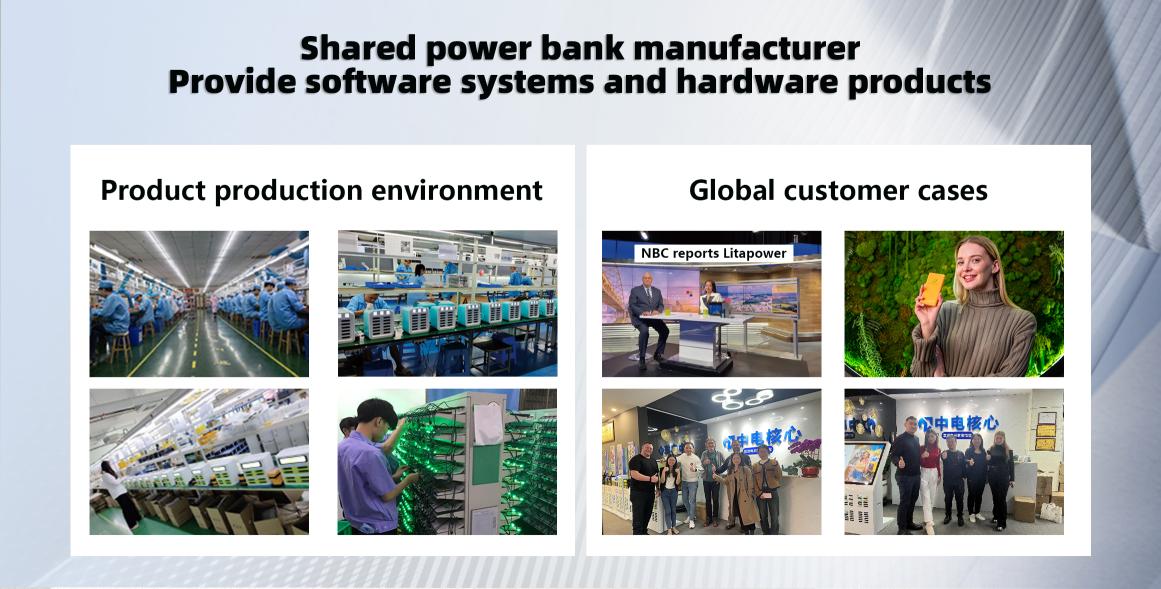
Choose a shared power bank factory with strong manufacturing capabilities, technical expertise, and international market experience. Key factors to evaluate include company qualifications, integrated hardware and software solutions, production and delivery capabilities, and product certifications. Careful evaluation can help reduce the risks associated with launching the project.
Recommended Shared Power Bank Factory
Zhongdian Core has end-to-end manufacturing capabilities and independently developed software systems, supporting independent deployment and source code delivery. Its products are sold in more than 100 countries and regions, and it serves over 600 partner brands worldwide. For shared power bank projects in Ethiopia, Zhongdian Core provides OEM/private-label customization, shared power bank software, and hardware solutions to help partners build their own brands and establish a presence in the local market.
2. Deploy Shared Power Bank Stations
Shared power bank stations in Ethiopia can be deployed in locations such as shopping malls, hotels, dining establishments, and areas around airports. Stations with screens can also generate additional advertising revenue for venue operators through cabinet stickers, on-screen advertisements, and brand promotion partnerships.
II. Revenue Models for Shared Power Banks in Ethiopia
After launching a shared power bank project in Ethiopia, operators should continue promoting the brand through social media videos, influencer collaborations, advertising posters, and joint promotional campaigns with local businesses. Rental prices should be set according to local purchasing power. Operators can also plan membership promotions, develop advertising partnerships, and use backend data analysis to adjust equipment placement, improve operational efficiency, and support more stable revenue.
Revenue Models Explained
1. User Rental Fees
Users pay according to the rental duration when borrowing and returning shared power banks. A range of USD 1–5 per rental can serve as an initial reference for pricing calculations. Actual prices should be determined based on local purchasing power, operating costs, and competitive conditions. Rental fees are an important source of cash flow for shared power bank projects in Ethiopia.
2. Advertising Revenue
Each shared power bank station can serve as a physical advertising touchpoint in high-traffic offline locations. Operators can generate additional advertising revenue through rotating advertisements on cabinets with screens, brand sponsorships, and various commercial promotional partnerships.
 Company and Product Information Download


