


Before entering the European shared power bank market, many investors are most concerned about policy and compliance issues, especially data security, user privacy, and cross-border payment regulations. Due to unfamiliarity with local laws, many entrepreneurs encounter problems such as devices failing customs clearance, penalties for non-compliant operations, and systems being taken offline due to data non-compliance. As one of the regions with the strictest compliance standards in the world, Europe has a well-established market regulatory system. Although the entry threshold appears high, the rules are actually transparent and standardized.
_metool.jpg)
I. European Legal Compliance and Market Entry Strategies
Legal Compliance: Company Registration and Policy Requirements
The primary compliance prerequisite for launching shared power banks in Europe is to complete legal business entity registration and localized compliance operations. Unlike the relatively relaxed entry environment in Southeast Asia, European countries require that commercial shared device projects must have a legal operating entity. Operators can choose to register a local company or cooperate under compliant partnership qualifications, avoiding unauthorized operations without proper qualifications and preventing investigation and shutdown by market regulatory authorities.
- Data Compliance and Key Points of GDPR
The GDPR (General Data Protection Regulation) is the most core and strict compliance standard for shared power bank operations in Europe and is known as the strictest data privacy regulation in the world. All services targeting EU users must strictly comply with it. Violations can result in fines of up to millions of euros or 2% of a company’s global annual revenue. During the rental process, shared power banks generate user device information, operation logs, payment data, and other content, all of which fall under GDPR regulation.
- Market Access: Certification and Technical Barriers
The entry barriers to the European shared power bank market are mainly concentrated in device certification and technical systems, which are also the biggest obstacles for newcomers expanding overseas independently. At the device level, it is mandatory to obtain EU-required CE certification, LVD (Low Voltage Directive) certification, and ERP energy efficiency certification to ensure that safety, energy consumption, and quality meet EU standards. Devices without certification cannot pass customs clearance or be deployed in the market, making certification a rigid entry requirement.
II. Litapower Shared Power Bank Overseas Brand
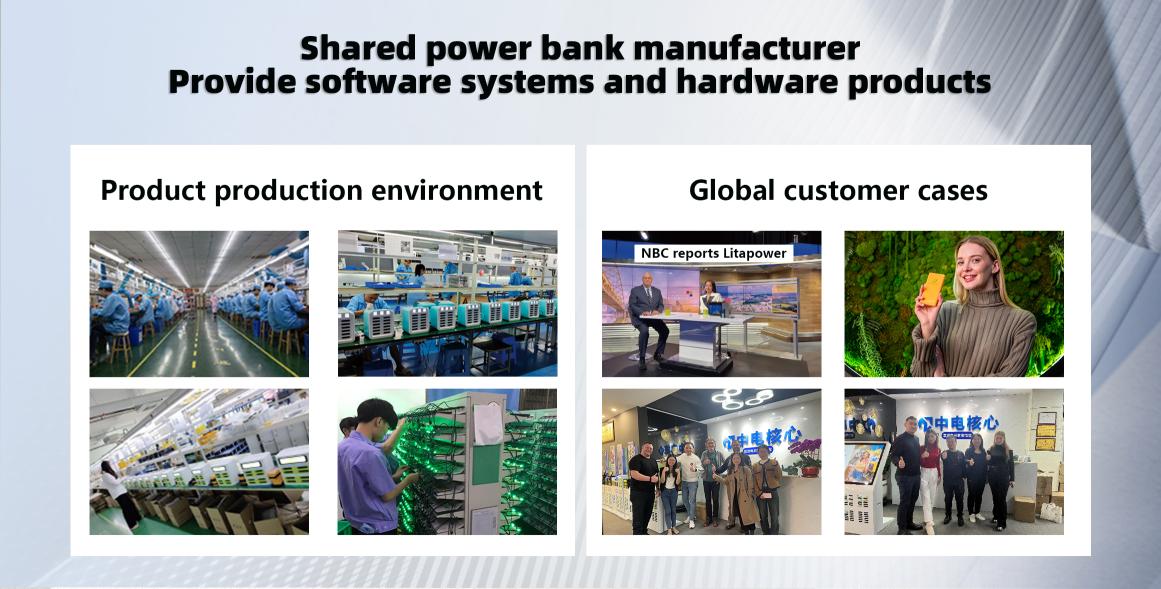
Litapower is a leading shared power bank overseas brand that has been deeply engaged in the European market for many years. It is familiar with the policies and regulations of various European countries, GDPR data standards, and device access requirements. It provides integrated hardware and software solutions as well as full-process operational support, offering a one-stop solution to the core challenges of overseas deployment, compliance, and operations. It helps partners quickly launch shared power bank projects in Europe, achieve compliant, stable, and long-term operations, and easily seize the opportunities of the European sharing economy.

 Company and Product Information Download
.jpg)

.jpg)

.jpg)
.jpg)
.jpg)


