


Laos is an emerging blue ocean market in Southeast Asia, with a total population of approximately 7.58 million. Smartphone penetration reaches 70%-80%, and 4G networks cover 76% of the country. Core cities such as Vientiane have already launched 5G services. The proportion of young people is high, and daily smartphone usage time is long, making battery anxiety a widespread issue. Tourism is recovering strongly, with increasing visitors to Luang Prabang, Vientiane, and other scenic areas. After the China-Laos railway opened, cross-border tourists surged, further amplifying temporary charging demand.
.png)
一、Market Prospects of Shared Power Banks in Laos and Local Brands
Currently, the shared power bank market in Laos is still in its early stage, with an overall penetration rate of less than 5%, far below that of more developed markets. Local brands are scattered and extremely small in scale, mostly deployed spontaneously by small merchants. Devices are outdated, lack systematic operations, and have weak brand influence. There is no nationwide leading brand, and many high-quality locations such as Vientiane commercial districts, Luang Prabang scenic areas, and China-Laos border ports remain unoccupied, resulting in very low competitive pressure.
二、Operational Recommendations for Shared Power Banks in Laos: Deposit, Pricing, and Location
- Low-threshold deposit model
In line with local consumption habits, high deposits should be removed. Users can rent through simple authentication via local e-wallets, lowering usage barriers and improving conversion rates. Credit-based deposit-free options and small temporary holds (USD 20–30) are supported, balancing asset security and user experience. - Flexible pricing and membership system
Implement differentiated pricing: daily scenarios (convenience stores, cafes) at USD 1–2 per hour; tourism scenarios (scenic spots, commercial districts) at USD 2–3 per hour, with nighttime discounts. Establish a membership system with daily and monthly passes to retain long-term users, enhancing user stickiness and repeat usage. - Precise location selection and device matching
Prioritize high-traffic scenarios:
Tourist attractions: Wat Xieng Thong in Luang Prabang, Pha That Luang in Vientiane, deploy 12/24-slot standing machines;
Urban commercial districts: Parkson Vientiane, Luang Prabang Foreign Street, deploy 8-slot stacked devices;
Transportation hubs: Wattay International Airport, long-distance bus stations, deploy 4/8-slot cabinet machines;
Leisure venues: cafes and chain convenience stores near night markets, deploy 4-slot desktop devices.
CE Core provides highly competitive solutions, offering source code delivery to support flexible system integration and adaptation to local payment models in Laos. With low investment and high returns, combined with professional operational support, profitability cycles are ensured. Customized solutions can be tailored based on demand, helping partners avoid ineffective investments and achieve rapid profitability.
三、Southeast Asia Shared Power Bank Market: Latest Trends and Opportunities
- Overall market demand analysis
The Southeast Asian shared power bank market is on the verge of rapid growth. By 2026, the market size is expected to exceed USD 1.5 billion, with an annual growth rate of over 40%. Smartphone penetration in the region reaches 85%-95%, with over 60% of the population being young. Offline entertainment and tourism scenarios are dense, while public charging infrastructure significantly lags behind, creating a huge charging gap. As a low-competition market in Southeast Asia, Laos benefits from regional demand spillover, combined with digital economy transformation and tourism growth, making it a leading growth market and a top choice for overseas investment. - Revenue differences across scenarios
Core tourism scenarios: average 1.5–2 rentals per device per day, high average order value, payback period of 6–8 months, annual return rate over 150%;
Urban commercial scenarios: average 1–1.5 rentals per device per day, stable revenue, payback period of 8–10 months, suitable for long-term deployment;
Community convenience scenarios: average 0.5–1 rentals per device per day, low investment cost, payback period of 10–12 months, suitable as supplementary locations.
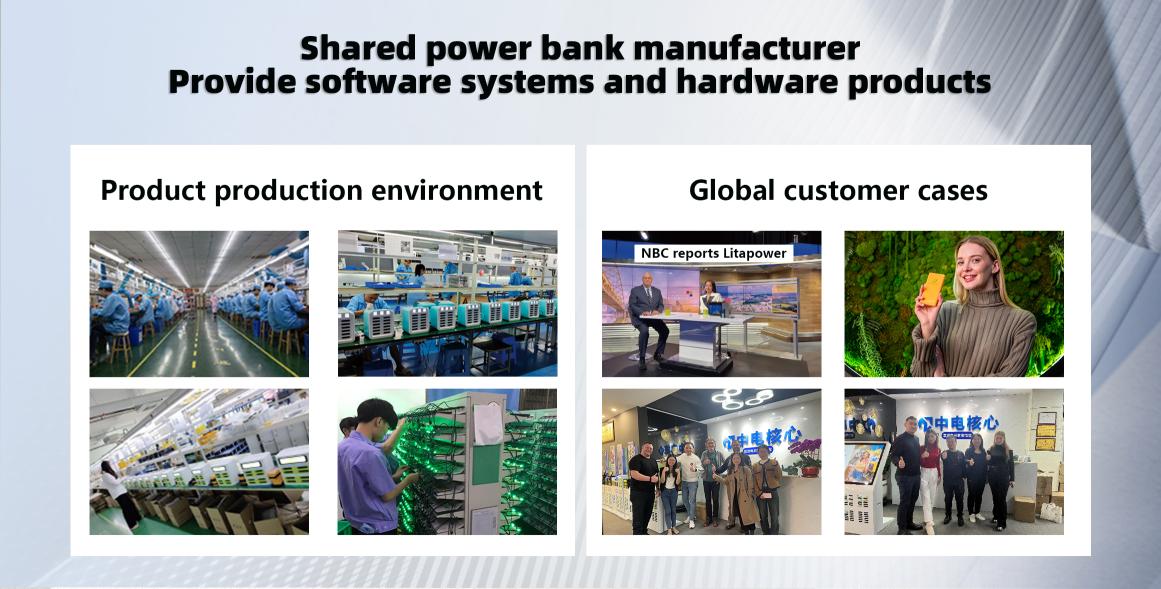
CE Core’s brand Litapower has deeply cultivated the Southeast Asian market and has expanded into multiple countries including Laos. It provides full-chain services such as hardware and software customization, local payment integration, and remote management systems. Relying on China’s mature supply chain, it continuously upgrades fast-charging devices, optimizes anti-theft systems and high-temperature adaptability, and helps partners quickly capture the Laos market and share the dividends of the Southeast Asian sharing economy.
 Company and Product Information Download
.jpg)

.jpg)

.jpg)
.jpg)
.jpg)


