


The Philippines, a core country in Southeast Asia, has a population of approximately 112 million, with a large proportion of young users. Smartphone penetration exceeds 85%, and daily activities such as social media, live streaming, and entertainment heavily rely on mobile devices, creating strong demand for battery charging.
As a popular tourist destination, the Philippines welcomed over 7 million international visitors in 2025. High-traffic locations such as airports, tourist attractions, and commercial centers significantly increase the demand for mobile charging solutions.
I. Is the Shared Power Bank Business Worth Investing in the Philippines?
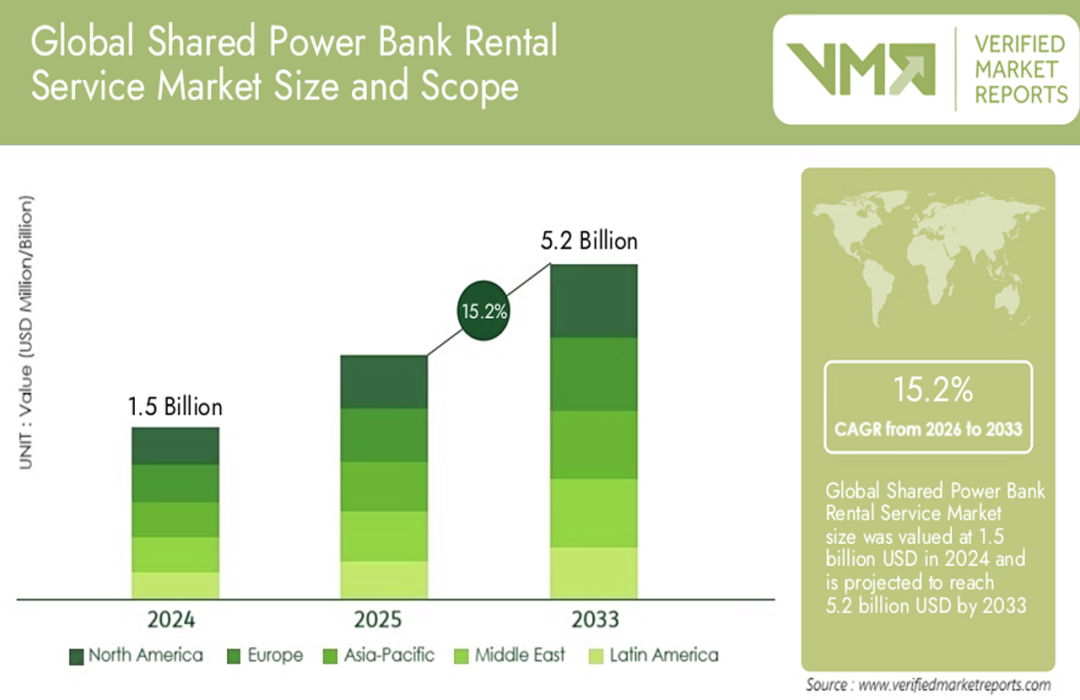
The shared power bank market in the Philippines is still in its early “blue ocean” stage, with an overall penetration rate of less than 15%. In major cities like Manila and Cebu, deployment points remain limited, and no dominant national brand has emerged, resulting in relatively low competition.
In recent years, the Southeast Asian shared power bank market has maintained an average annual growth rate of over 28%. With its large population and strong tourism industry, the Philippines is one of the fastest-growing markets in the region. By 2026, the market size is expected to exceed $180 million.
On the payment side, the local mobile payment ecosystem is well developed. E-wallets such as GCash and PayMaya have over 100 million users, alongside international payment methods like Visa and Mastercard. This supports a deposit-free rental model.
Overall, the Philippine market features low saturation, high demand, and rapid growth, making it a highly attractive investment destination.
II. Local Brand Overview & Market Entry Strategy
- Current Local Market Situation
Local shared power bank brands in the Philippines are mostly small regional players, concentrated in areas like Manila and Cebu, mainly in bars, malls, and commercial zones, with limited coverage.
Common issues include:
- Limited device types
- Outdated fast-charging technology
- Unstable system performance
- Poor user experience
Most brands still use traditional profit-sharing models, leading to high operating costs and lower profit retention.
There is currently no dominant brand, leaving strong opportunities for international entrants.
- Key Differentiation Strategy
To succeed in the Philippine market, businesses should focus on integrated hardware and software solutions:
Hardware:
- Promote 22.5W fast-charging devices
- Offer multiple models:
- 4/8-slot: convenience stores, small shops
- 12-slot stackable: restaurants, night markets
- 12/24-slot standing units: malls, airports, tourist areas
Software & Operations:
- OEM/ODM branding solutions
- Independent payment system for full revenue retention
- Remote monitoring and management system
Supply Chain & Adaptation:
- Continuous product upgrades
- Enhanced anti-theft features
- Optimized for high temperature and humidity environments
III. ZDE Core: Ideal Supplier for the Philippine Market
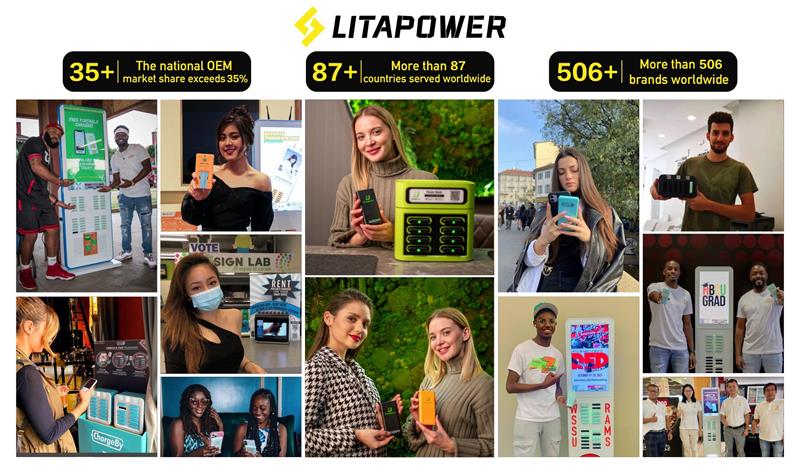
ZDE Core has over 10 years of experience and is a leading shared power bank manufacturer in China. Its global brand Litapower has successfully expanded into the Philippines and other Southeast Asian countries, offering strong localization capabilities.
The company provides one-stop OEM/ODM solutions, including branding, system deployment, and operational support, helping partners launch quickly and reduce risks.
Device Solutions:
- 4/8-slot: suitable for cafes and small stores
- 12-slot stackable: restaurants and mid-traffic areas
- 12/24-slot standing units: airports, malls, and tourist attractions
With flexible device configurations and proven business models, partners can quickly scale and capture market share in the Philippines.
 Company and Product Information Download
.jpg)

.jpg)

.jpg)
.jpg)
.jpg)


