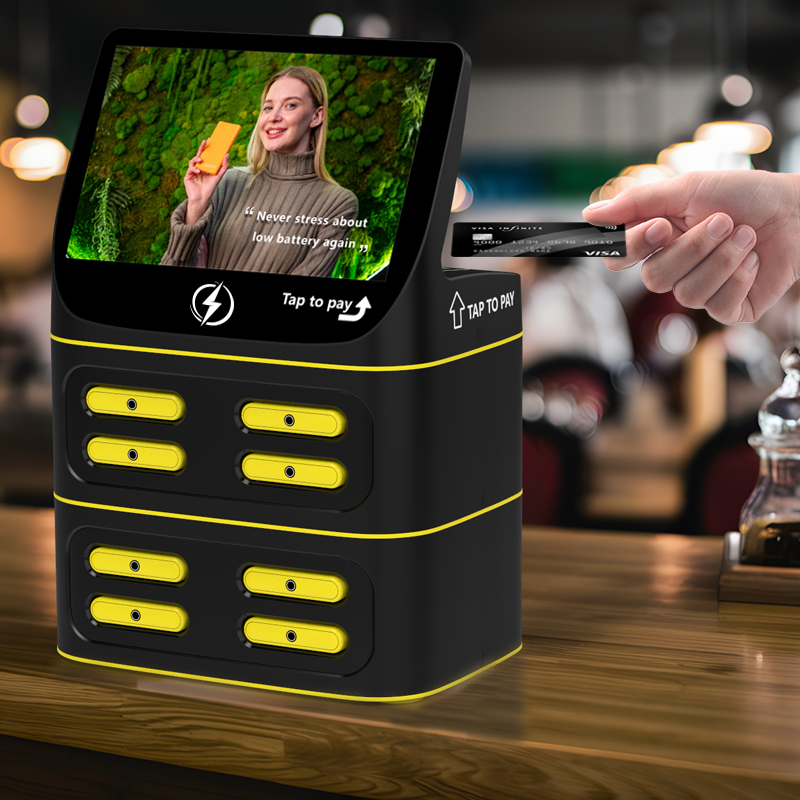
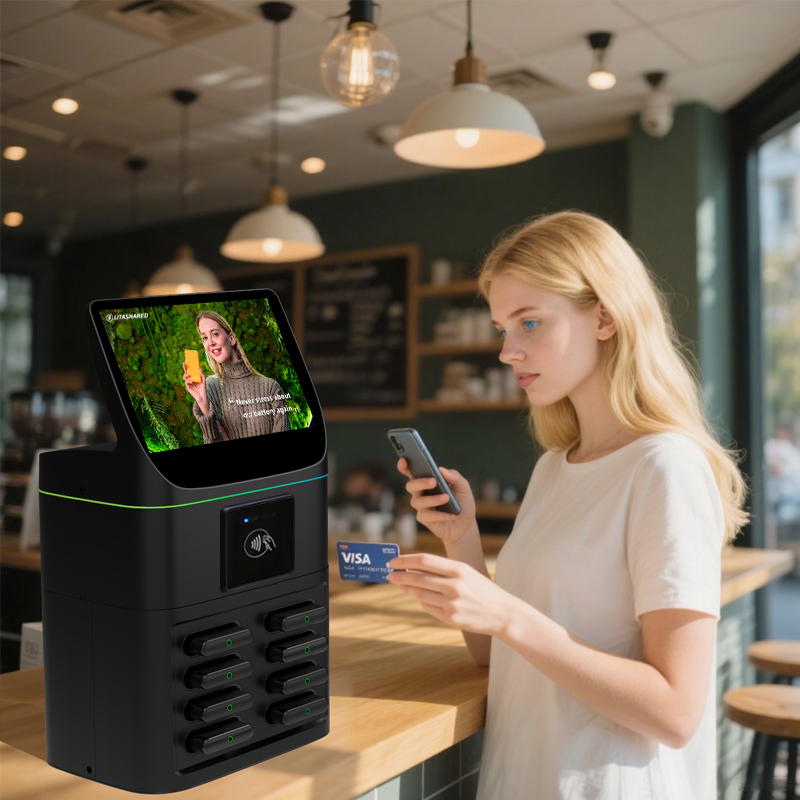
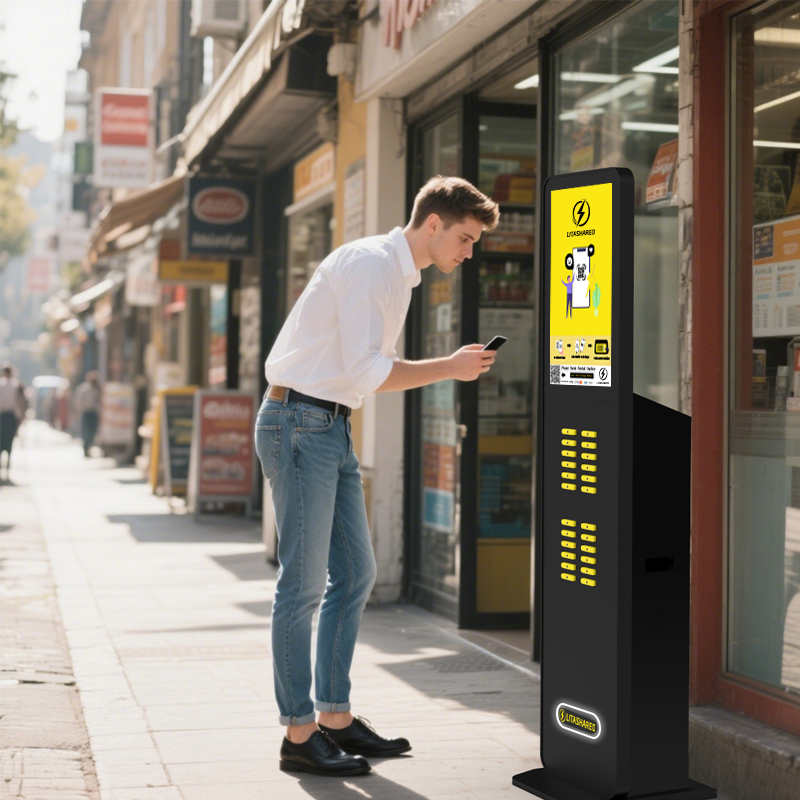
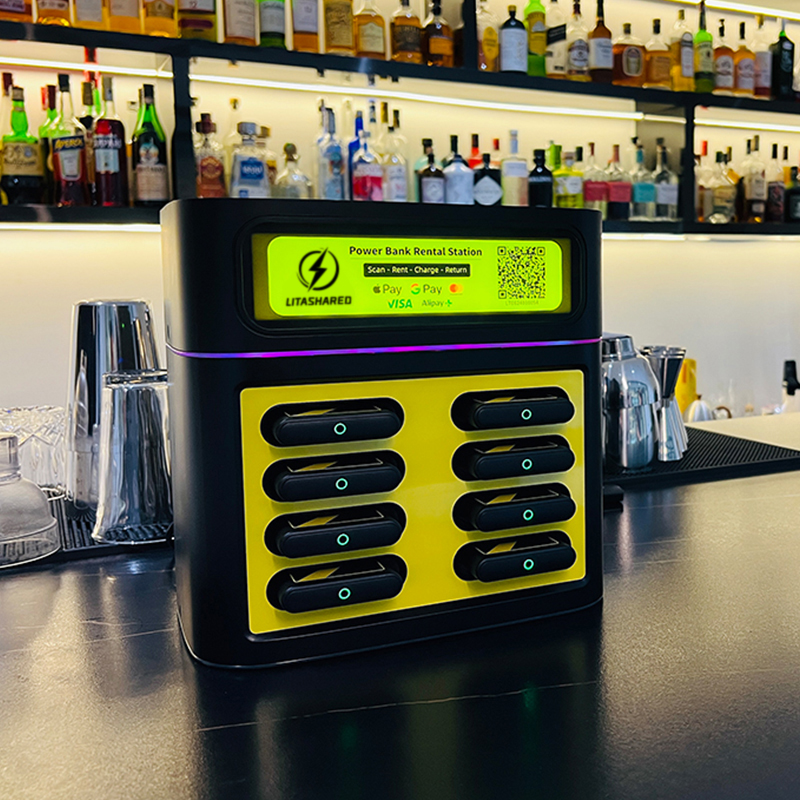
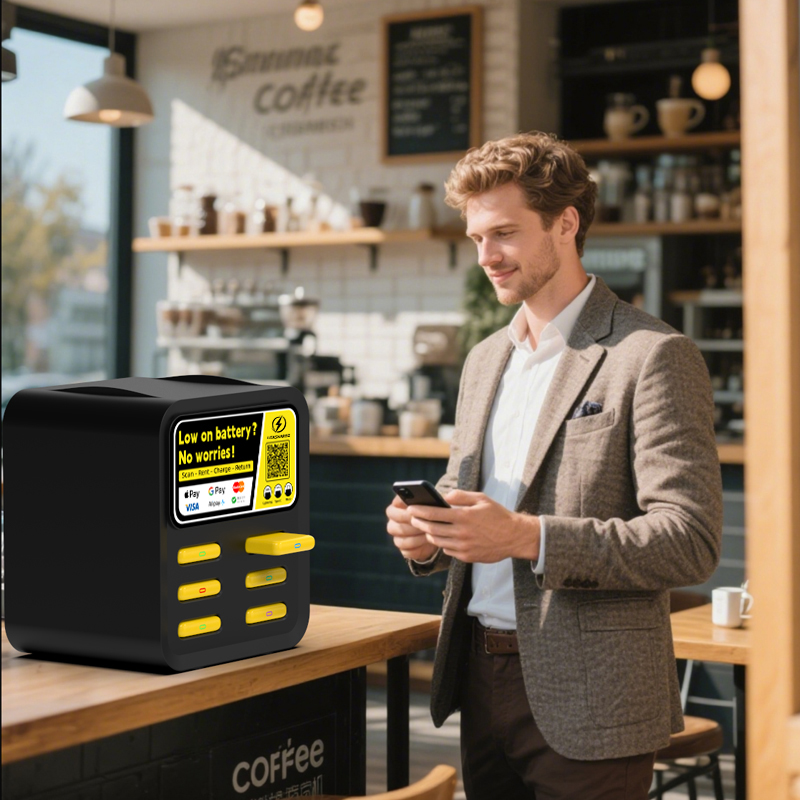
The Netherlands is a popular destination in Western Europe for both business and leisure travel. Its canals, tulip attractions, cycling culture, outdoor dining, and music festivals attract visitors throughout the year. In 2025, accommodation establishments in the Netherlands welcomed 52.2 million visitors, an increase of 5% year on year. Total tourism expenditure reached €117.6 billion, up approximately 3.1% (Statistics Netherlands, CBS, 2026). High internet penetration and a steadily growing number of international visitors provide consistent charging demand and market opportunities for the Netherlands shared power bank market.
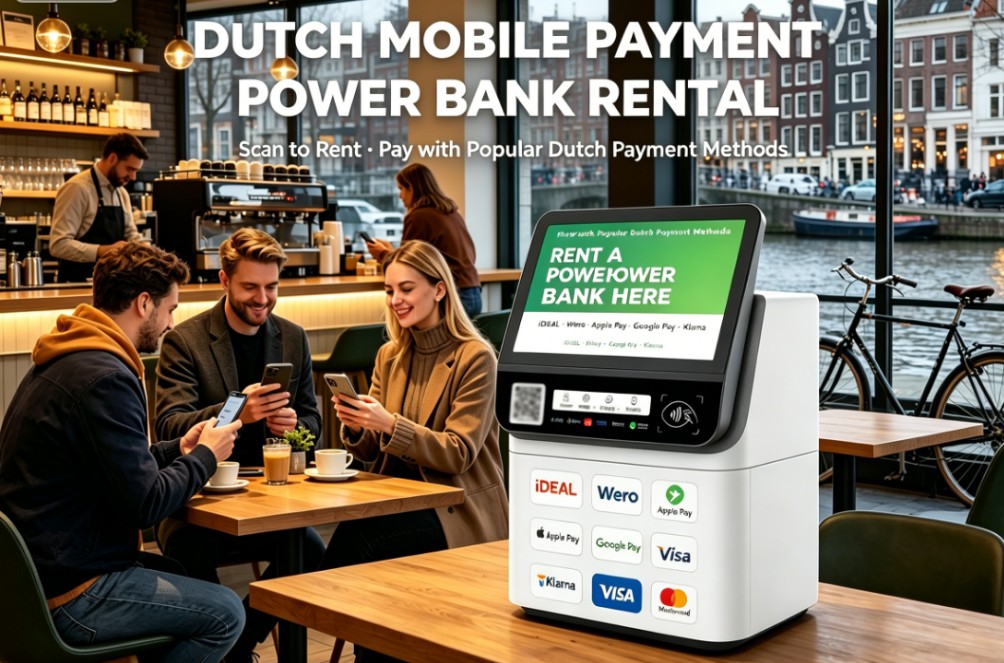
1. Netherlands Shared Power Bank Market Analysis and Strategy
Why is the Netherlands a suitable market for shared power bank deployment, particularly in Western Europe's highly digitalized and tourism-driven economy?
Market Advantages:
(1) A mature international tourism and consumer economy — In 2025, accommodation establishments in the Netherlands welcomed 52.2 million visitors, including 22.3 million international visitors, representing a year-on-year increase of 5%. Total tourism expenditure reached €117.6 billion, while tourism value added amounted to €42.3 billion (CBS, 2026). Attractions along Amsterdam's canals, museums, shopping streets, and hotels are all suitable locations for deploying shared power bank stations in the Netherlands.
(2) A well-developed contactless payment ecosystem — In 2025, debit card transactions at POS terminals in the Netherlands reached 5.83 billion, with a total value of €150 billion. Approximately 95% of debit card payments were contactless, and around 47% of payments were made using mobile phones or smartwatches (Dutch Payments Association, 2026). This creates favorable conditions for integrating shared power bank services with NFC, bank card POS terminals, and QR code-based rentals.
(3) Diverse outdoor leisure and commercial consumption scenarios — The Netherlands has a well-established café, bar, restaurant, and shopping center culture, alongside a strong tradition of cycling tourism. In 2025, consumers' POS transactions in the Dutch food service and accommodation sectors accounted for approximately one-seventh of all debit card transactions (Dutch Payments Association, 2026). These venues are suitable for shared power bank deployment, serving both residents' everyday needs and tourists' on-the-go charging requirements.
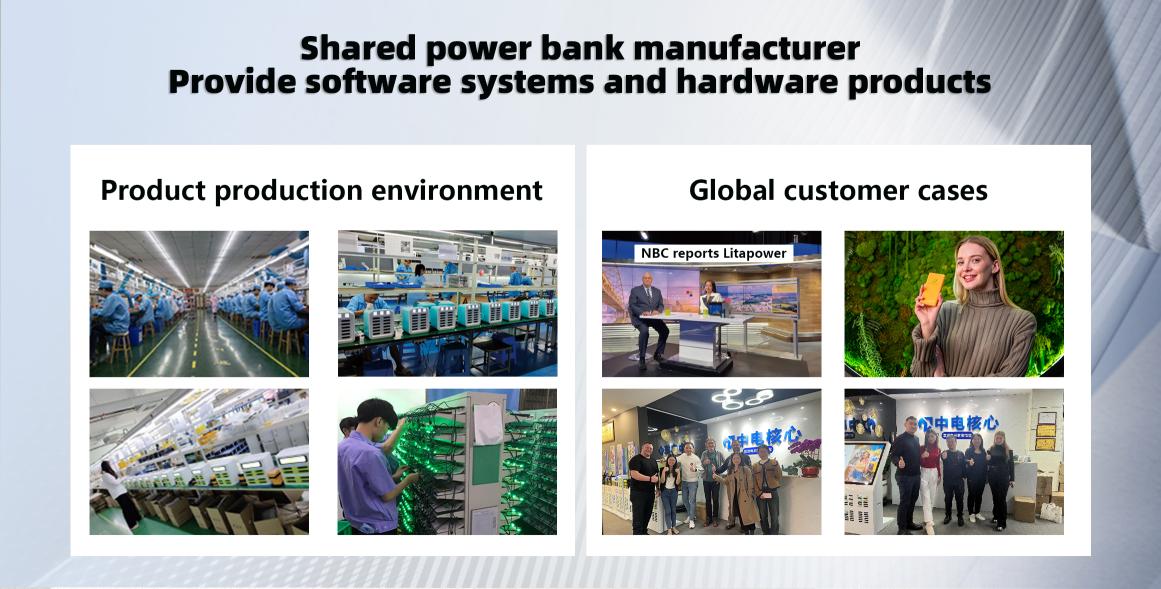
Many local entrepreneurs and investors in the Netherlands can source equipment from China through OEM private-label customization services and establish their own local brands. Litapower, a brand under Zhongdian Hexin, leverages its established shared power bank OEM and private-label customization services to provide global partners with an integrated solution covering shared power bank software, hardware equipment, and operational support.
2. Netherlands Shared Power Bank Profit Models
Shared power bank operators in the Netherlands can build diversified revenue streams through device rentals, membership marketing, and advertising. Initial deployment can focus on shopping centers, restaurants, bars, hotels, and tourist attractions in cities such as Amsterdam, Rotterdam, and The Hague.
Revenue models can include hourly rental fees, a free first-use experience, membership discounts, and dynamic pricing. Rental rates can be adjusted according to different venue types to improve device utilization. During the initial stage, operators are advised to negotiate fixed venue fees or reasonable revenue-sharing arrangements with merchants to control operating costs before gradually expanding their device networks.
 Company and Product Information Download