


The promising blue-ocean market for shared power banks in East Africa continues to unlock new growth opportunities. Rwanda stands out as a relatively stable market for international expansion. According to DataReportal, Rwanda had approximately 13 million mobile connections and 5.01 million internet users at the end of 2025. The development of tourism spending, mobile device usage, and digital payments provides a solid market foundation for introducing shared power banks into hotels, restaurants, commercial districts, and tourist attractions.
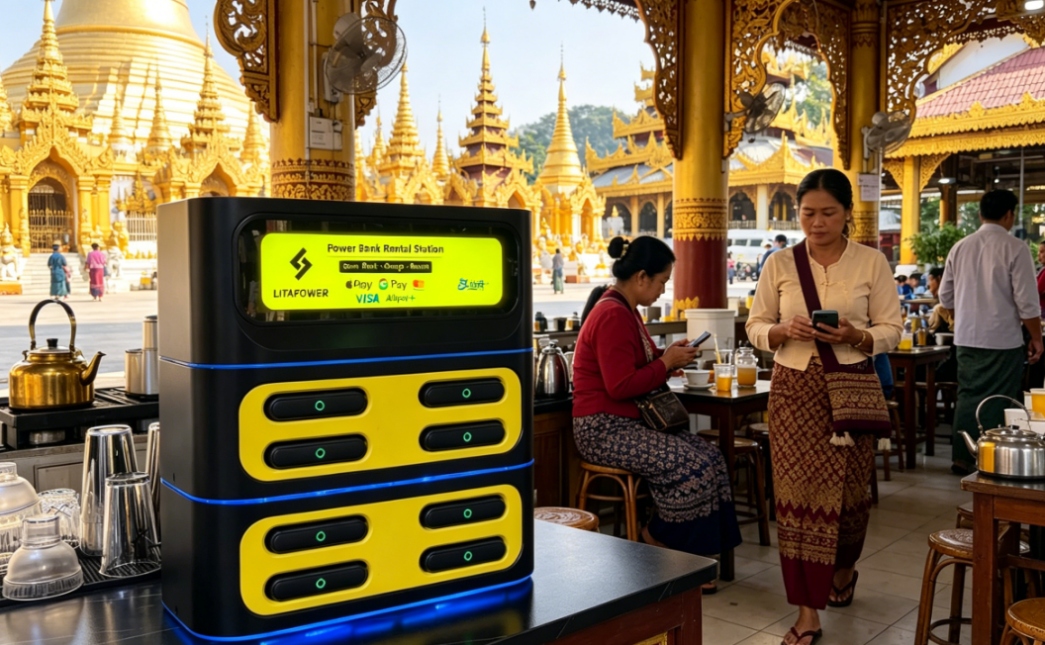
1. Rwanda Shared Power Bank Market Analysis and Strategy
Market Advantages of Shared Power Banks in Rwanda:
Advantage 1: Continued Growth in Tourism and Business Travel — Rwanda welcomed 1.49 million visitors in 2025, generating USD 685 million in tourism revenue. Revenue from meetings, incentives, conferences, and exhibitions (MICE) reached USD 94.7 million, with 165 international and regional meetings and events held throughout the year (Rwanda Development Board, 2026). Tourists and business travelers have ongoing needs for mobile photography, navigation, and communication while staying at hotels, restaurants, conference centers, and tourist attractions.
Advantage 2: An Expanding Mobile Device User Base — By the end of 2025, Rwanda had 13 million mobile connections and approximately 5.01 million internet users. Around 91.3% of mobile network connections supported 3G, 4G, or 5G services (DataReportal, 2026). Smartphones have become essential tools for everyday communication, online information access, and travel services. Shared power banks can provide convenient, on-demand charging in locations where people spend extended periods of time.
Advantage 3: Continued Improvement in the Digital Payment Ecosystem — According to the National Bank of Rwanda, the national digital payment system eKash had approximately 2.16 million active users as of June 2025, recording 25 million transactions in that month alone. The number of modern POS payment acceptance points reached approximately 625,000 (National Bank of Rwanda, 2025). The development of mobile payment services and electronic payment infrastructure creates favorable conditions for QR-code rentals, online payment deductions, and unattended shared power bank operations.
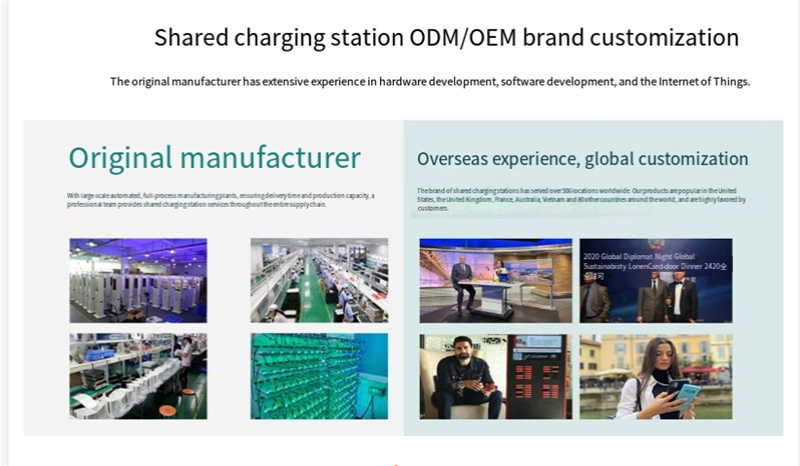
As a brand under Zhongdian Hexin, Litapower leverages its established OEM customization services to provide global partners with an integrated solution covering software, hardware, and operational support. Its shared power bank private-label business has expanded to more than 40 African countries and regions, backed by extensive experience in African markets.
2. Shared Power Bank Business and Profitability in Rwanda
Where should shared power banks be deployed in Rwanda? Rubavu benefits from Lake Kivu, hot springs, and cross-border trade, which support tourism and commercial activities. Musanze attracts visitors for volcano hiking and gorilla tourism. These cities are suitable for initial research into deployment opportunities at hotels, restaurants, cafés, bars, and tourist gathering points. Before installation, operators should assess existing device coverage, visitor traffic, and the potential for cooperation with local merchants.
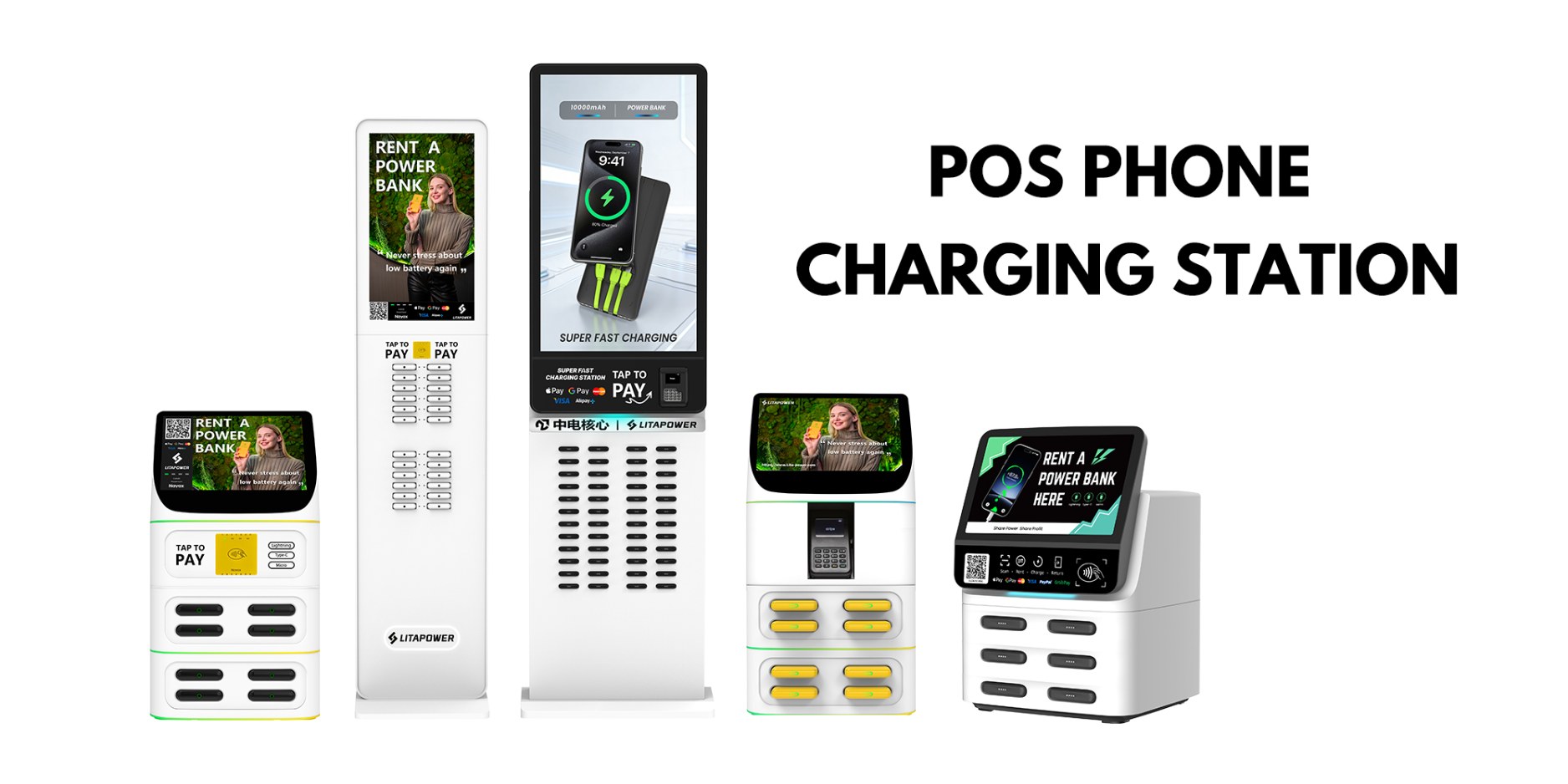
For market operations, the first priority is to build brand awareness for shared power banks in Rwanda through short videos on social media, collaborations with local influencers, and tourism-related promotional activities.
To improve profitability, operators can combine QR-code rentals, time-based pricing, and membership discounts while developing additional revenue streams through merchant advertising and brand partnerships. By analyzing device utilization rates, rental frequency, and peak usage periods through the management backend, operators can continuously optimize deployment locations and pricing strategies.

 Company and Product Information Download


