


Lebanon, a country connecting the Mediterranean with the Middle East, offers a diverse range of business, travel, leisure, and entertainment scenarios. According to DataReportal, Lebanon had approximately 5.34 million internet users at the beginning of 2025, providing an established user base for smartphones and mobile internet services. Although the local economic and security environment remains uncertain, the country still presents valuable potential opportunities for the development of shared power bank services.
_metool.jpg)
I. Overview of Lebanon’s Shared Power Bank Market
At present, publicly available information on Lebanon’s shared power bank market remains limited, and no dominant leading brand has emerged. Overall market penetration is low. Compared with more mature markets, Lebanon’s shared power bank sector still has room for further expansion, particularly in tourist cities and commercial areas outside the capital.
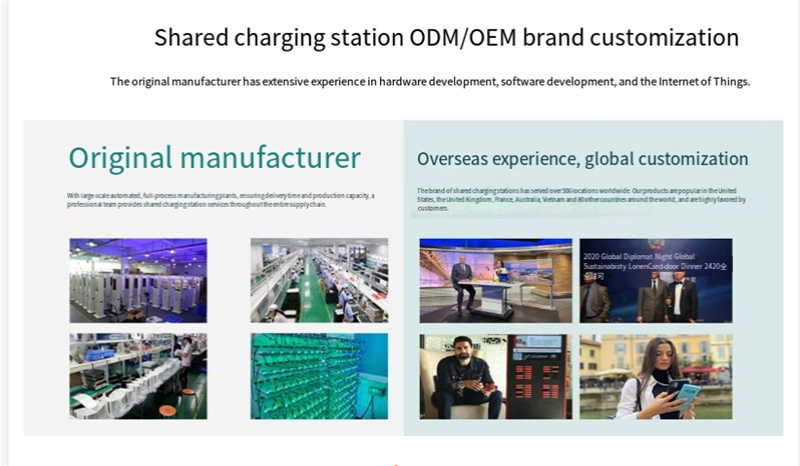
Litapower by Zhongdian Core is a key supply chain partner for small and medium-sized shared power bank brands in Lebanon. It provides advanced SaaS systems and integrated hardware solutions. Many local entrepreneurs and investors can use its OEM private-label customization services to import equipment, operate under their own local brands, and establish businesses in areas such as Baalbek, Byblos, and Tripoli, serving tourism, cultural, and commercial consumption scenarios.
II. Potential Deployment Scenarios for Shared Power Banks in Lebanon
Shared power bank projects in Lebanon can prioritize medium-sized cities with rich tourism resources and concentrated commercial activity. By avoiding areas with relatively intense competition during the initial stage, operators can gradually build their networks through partnerships with hotels, restaurants, and leisure and entertainment venues.
1. Tripoli — Northern Historical, Cultural, and Commercial Center
City profile: Tripoli is an important city in northern Lebanon, featuring a historic old town, traditional markets, a port, and rich cultural tourism resources. Its commercial trade and restaurant activity are relatively concentrated, making it a potential market for shared power bank services.
Priority locations: Traditional markets, historical attractions, hotels, restaurants, cafés, and commercial areas around the port.
2. Batroun — Mediterranean Coastal Tourism and Leisure Center
City profile: Batroun is a well-known coastal tourism city in Lebanon. During the summer, it attracts tourists and local leisure consumers. Its waterfront restaurants, bars, and resort hotels may generate demand for mobile charging services.
Priority locations: Seaside hotels, beach clubs, restaurant districts, bars, cafés, and tourist attractions.
3. Zahle — Eastern Commercial and Culinary Tourism Center

City profile: Zahle is an important city in the Bekaa Valley, known for its restaurants, cuisine, and wine tourism. Its restaurants, hotels, and local commercial venues offer potential locations for shared power bank services and could provide an entry point for expansion into inland cities.
Priority locations: Specialty restaurants, hotels, commercial streets, cafés, and tourism and leisure venues.
How should operators establish their deployment network? It is advisable to seek partnerships with established local distributors, hotel groups, and commercial venue operators in Lebanon through venue revenue-sharing arrangements. Payment options should be adapted to local cash-based consumption habits. Operators can also use back-end management data to analyze device utilization, rental frequency, and high-demand locations, allowing deployment strategies to be adjusted continuously.
Lebanon’s shared power bank market offers potential investment opportunities, but it is not without risks. The country’s internet user base, tourism resources, and commercial consumption scenarios provide favorable conditions for industry development, while cash payment habits, economic conditions, and security concerns require careful consideration. Beyond the capital, Beirut, cities such as Tripoli, Batroun, and Zahle are also worth exploring. Investors seeking to enter the Middle Eastern market can begin with a small-scale equipment deployment, working with local partners and combining their own brands with established hardware and software systems to validate market demand before gradually expanding operations.
 Company and Product Information Download


