


The shared power bank market in the Middle East is gradually expanding across different countries and regions. Palestine has a young population and relatively high internet penetration, providing a potential user base for mobile charging services. However, regional conflicts, economic conditions, and differences in infrastructure remain important factors that investors need to consider.
I. Overview of Palestine’s Shared Power Bank Market
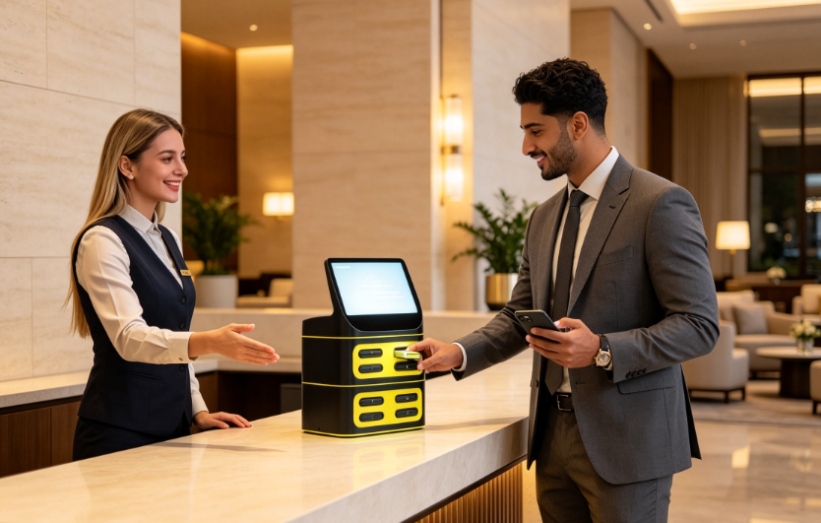
At present, relatively few shared power bank brands are publicly visible in Palestine, and device coverage appears limited. The local population has a solid mobile internet user base, but the commercial shared power bank model still has room for further exploration, particularly in commercial cities and tourist areas outside Ramallah.
Regarding payments, local digital payment services such as Jawwal Pay and PalPay, together with e-wallets, prepaid cards, and POS systems, provide a foundation for payment partnerships. Investors can configure QR code, bank card, and POS payment options according to the integration requirements of local payment service providers.
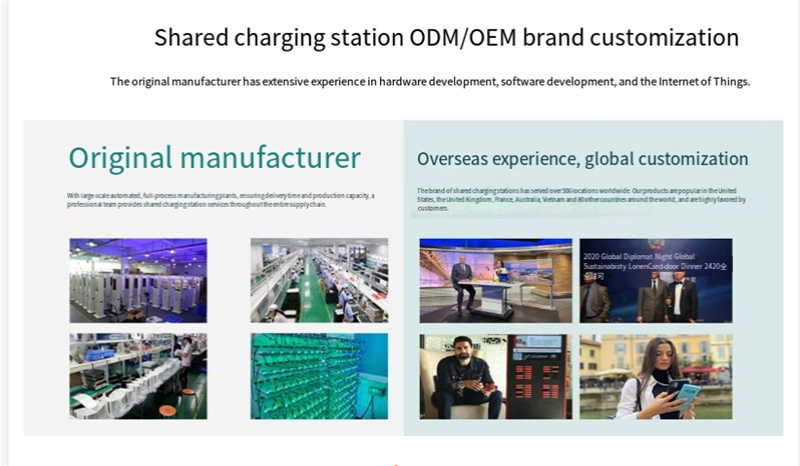
Chinese supply chain companies based in Shenzhen, such as Litapower by Zhongdian Core, can provide shared power bank hardware, SaaS management systems, and OEM/ODM private-label customization services. These solutions can help Palestinian investors establish their own brands and expand into the commercial market through local channels.
II. Potential Deployment Scenarios for Shared Power Banks in Palestine
Shared power bank projects in Palestine can explore commercial cities outside Ramallah, prioritizing areas with relatively stable business operations, actual customer traffic, and feasible partnership conditions.
1. Nablus — Northern Commercial and Traditional Consumer Center
City profile: Nablus is an important commercial city in Palestine, with traditional markets, local restaurants, and retail businesses. Everyday consumer spending and business activities are relatively concentrated.
Priority locations: Traditional markets, shopping centers, hotels, restaurants, cafés, and commercial streets.
2. Jericho — Historical, Cultural, and Tourism Destination

City profile: Jericho has rich historical and cultural heritage and tourism resources, making it a representative tourist destination in Palestine. Hotels, tourist attractions, and leisure facilities may generate demand for mobile charging services.
Priority locations: Resort hotels, historical attractions, tourist reception centers, restaurants, and leisure venues.
3. Hebron — Traditional Manufacturing and Commercial Trading Center
City profile: Hebron is an important commercial and industrial city in Palestine, with traditional markets, manufacturing activities, and a retail trading base. It offers potential scenarios for serving local residents, business travelers, and commercial consumers.
Priority locations: Commercial markets, shopping centers, hotels, restaurant districts, and cafés.
How should operators expand their network? It is advisable to seek partnerships with established local distributors, hotel operators, and commercial businesses in Palestine through venue revenue-sharing arrangements. By integrating local payment services such as Jawwal Pay and PalPay, operators can reduce barriers to rental. Back-end data analysis can also help track device utilization and identify high-demand locations, allowing deployment strategies to be optimized gradually.
At present, there is insufficient public data to establish that Palestine’s shared power bank industry has developed a mature competitive landscape. Therefore, it would be inaccurate to conclude that the market is undeveloped or has no competition. In addition to major commercial areas such as Ramallah, Nablus, Jericho, and Hebron are also worth researching. Investors can begin with a small-scale deployment based on local partnerships to verify actual demand, payment integration, and operational feasibility before gradually expanding brand coverage. At the same time, they must carefully assess local security conditions, equipment transportation, electricity supply, and after-sales maintenance risks.

 Company and Product Information Download


