


The Middle Eastern shared power bank sector offers opportunities for differentiated market entry. In Yemen, the country’s distinctive coastal and tourism resources, together with its local mobile wallet ecosystem, provide potential for long-term market development. However, internet penetration is only around 17.7%, and digital infrastructure remains relatively underdeveloped. As a result, shared power bank projects in Yemen are better suited to investors with strong local resources who can manage operational risks and begin with small-scale operations.
.jpg)
I. Overview of Yemen’s Shared Power Bank Market
At present, there is no reliable public data on shared power bank brands, market shares, or device coverage in Yemen. Overall, local shared power bank brands appear to be limited, and the market has yet to develop established leading operators. Many tourism-oriented cities and towns, as well as commercial locations with distinctive local characteristics, remain largely unexplored.
Operators should first assess practical payment options, including cash-assisted payments, local mobile wallets, and bank cards. They should also confirm actual integration requirements and availability directly with local payment service providers.
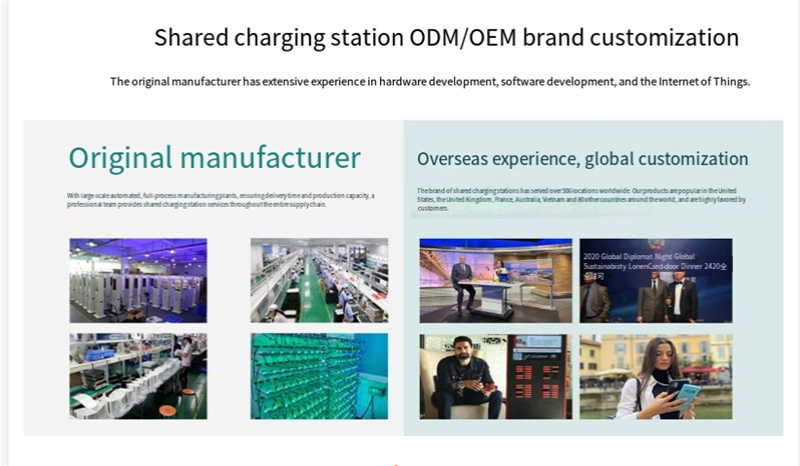
Chinese supply chain companies based in Shenzhen, such as Litapower by Zhongdian Core, can provide shared power bank hardware, SaaS management systems, and OEM/ODM private-label customization services to help local investors establish their own brands. However, equipment imports, network stability, electricity supply, and after-sales maintenance all require advance planning.
II. Potential Deployment Scenarios for Shared Power Banks in Yemen
Shared power bank projects in Yemen can begin by researching cities and areas with relatively concentrated commercial activity. Priority should be given to hotels, restaurants, and commercial partners with stable operating conditions. The following cities are potential locations for further assessment; their inclusion does not imply that they currently offer safe investment or travel conditions.
1. Al Mukalla — Eastern Coastal Commercial and Port City
City profile: Al Mukalla is an important coastal city in Hadramout Governorate. With its port, commercial markets, and waterfront leisure resources, it offers potential scenarios for assessing local business activity and hotel-related demand.
Priority locations: Hotels, restaurants, waterfront commercial areas, cafés, and business establishments near the port.
2. Seiyun — Inland Commercial and Cultural Center of Hadramout

City profile: Seiyun is an important city in inland Hadramout. Its historic buildings, traditional markets, and regional commercial activities provide potential opportunities to assess mobile charging needs among local residents and business travelers.
Priority locations: Commercial markets, hotels, restaurant districts, transport service locations, and cultural tourism areas.
3. Ibb — Mountain Tourism and Local Commercial City
City profile: Ibb is known for its mountainous scenery and green landscapes. Its local businesses, restaurants, and tourism resources offer potential scenarios for exploring demand around commercial centers and everyday consumer locations.
Priority locations: Hotels, restaurants, traditional markets, cafés, and tourism and leisure venues.
Al Mukalla, Seiyun, and Ibb can serve as potential locations for commercial site research, but they should not be regarded as established deployment markets. Investors should first verify local security conditions, business licensing requirements, payment integration, and supply chain feasibility. Only after these factors have been assessed should they consider a small-scale pilot rather than large-scale equipment deployment.

 Company and Product Information Download


