


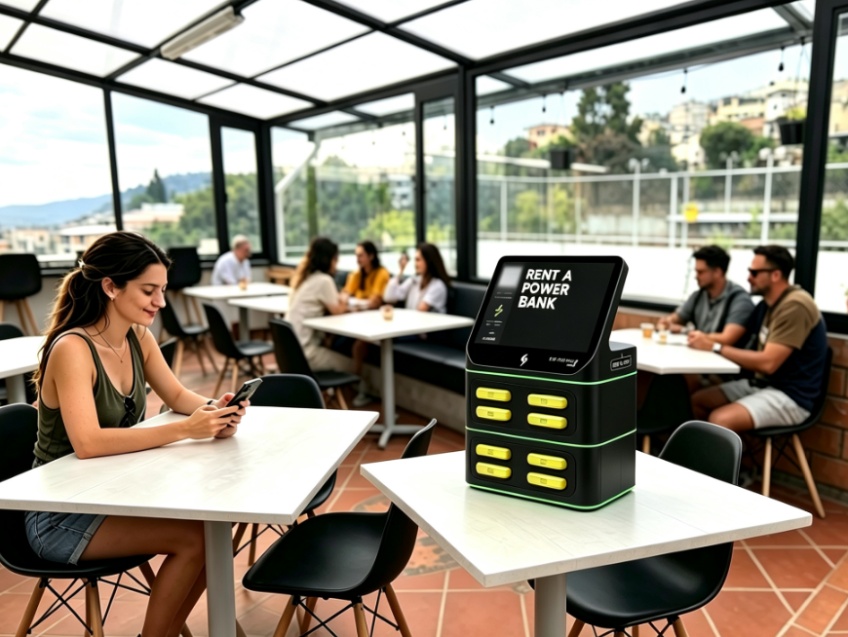
Hungary has an active tourism and consumer market, along with a mature urban commercial environment. Smartphones are widely used by local residents and visitors, who frequently rely on them for navigation and photography while sightseeing, commuting, and shopping. This creates steady demand for on-the-go charging, making the shared power bank market in Hungary a promising blue-ocean opportunity in Europe.
I. Hungary Shared Power Bank Market Analysis and Strategy
Contactless payments are widely used in Hungary’s urban areas, and local e-wallets and bank card payment systems are well established. Consumers are increasingly receptive to convenient rental services. Currently, there are relatively few nationwide shared power bank brands, leaving many promising locations in commercial districts, tourist attractions, and railway stations still available for development. By meeting applicable EU compliance requirements, operators can access a market with considerable potential. Entering the Hungarian shared power bank market early may help businesses capture opportunities across Central and Eastern Europe.
Key factors for launching shared power banks in Hungary:
(1) Localized Solutions
Shared power bank operators in Hungary can evaluate bank cards, Visa, Mastercard, and payment solutions such as SimplePay. Actual integration should be confirmed according to the coverage of payment service providers and merchant eligibility requirements. The device interface should support Hungarian and English to make the service convenient for both local residents and international visitors. Applicable certifications and compliance requirements should be confirmed according to the product and its sales model.
(2) Shared Power Bank Deployment
For the initial rollout, operators can assess commercial districts and shopping malls in central Budapest, restaurants, entertainment venues, and commercial and transport areas in Debrecen. By partnering with different types of venues, operators can reach both tourists and local consumers while gradually increasing brand exposure and market awareness. The initial number of stations should be determined according to venue conditions, customer traffic, and the results of pilot operations.
(3) Backend Management and Operations
The remote management platform for shared power banks allows operators to monitor device status, orders, and revenue data. Based on the performance of individual locations, operators can adjust device placement, rental prices, and promotional offers. Additional revenue opportunities can also be explored through screen advertising, membership services, and partnerships with local businesses.
II. How to Make a Profit from Shared Power Banks in Hungary
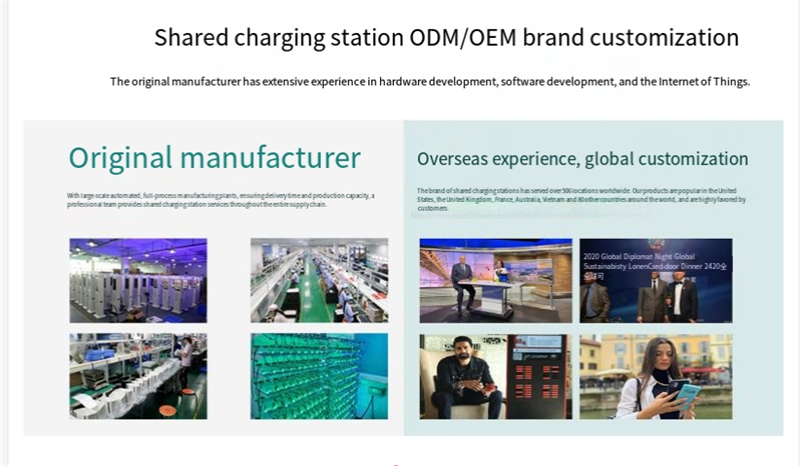
Litapower, the overseas brand of Zhongdian Core, a shared power bank manufacturer, provides customers in Hungary with integrated hardware and software solutions, along with OEM private-label customization services. These services cover shared power bank station cabinets, rental management backends, app interfaces, and customized payment systems.
Shared Power Bank Profit Models in Hungary
Operators in Hungary can adopt an hourly rental model and adjust prices according to local purchasing power, venue traffic, and device utilization. Station cabinets equipped with screens can generate additional advertising revenue through commercial partnerships. Membership top-ups, promotional campaigns, and merchant partnerships can also encourage repeat rentals and diversify revenue streams. During the initial stage, operators should focus on evaluating device utilization, venue costs, and operating expenses before gradually expanding into more commercial settings.

 Company and Product Information Download
.jpg)

.jpg)

.jpg)
.jpg)
.jpg)


