


Switzerland has a mature urban commercial environment, abundant tourism resources, and a convenient public transportation network. Cities such as Zurich, Geneva, and Lucerne bring together shopping, dining, business, and tourism activities. Tourists and business travelers rely on smartphones for navigation, photography, mobile payments, and other activities, creating potential opportunities for shared power bank services in Switzerland.
_metool.jpg)
I. Switzerland Shared Power Bank Market Analysis and Strategy
Shared power bank projects in Switzerland can prioritize shopping malls, dining and entertainment venues, commercial tourist areas, and transportation hubs in Zurich, Geneva, and Lucerne. Currently, the local supply of shared charging services remains limited, while many high-quality locations in tourist attractions, transportation hubs, and premium commercial districts are still available. With relatively high consumer spending per transaction, early deployment of shared power banks in Switzerland can help businesses secure attractive locations and capitalize on promising market opportunities.
Key factors for launching shared power bank projects in Switzerland:
(1) Localized Implementation
Shared power bank projects in Switzerland can evaluate bank card payments, Visa, Mastercard, and local payment solutions such as TWINT. Actual integration depends on each payment provider’s coverage and merchant eligibility requirements. Device interfaces can support German, French, Italian, and English according to the target region. Applicable certifications, such as CE, and local compliance requirements should also be confirmed according to the product type and sales model.
(2) Shared Power Bank Deployment
For the initial rollout, evaluate commercial districts in central Zurich, shopping and tourist areas in Geneva, and locations near attractions in Lucerne, as well as shopping malls, dining venues, and transportation hubs. Deployment should be phased according to actual foot traffic, safety conditions, and venue partnership opportunities. Begin with a pilot project, then gradually expand coverage based on rental frequency and equipment utilization rates.
(3) Backend Management and Operations
The remote backend system for shared power banks in Switzerland can synchronize device operating status, revenue data, and order details in real time. Use backend data analysis to continuously optimize equipment placement and profitability strategies, relocate devices when necessary, adjust promotional offers, and develop additional revenue streams.
II. How to Generate Revenue from Shared Power Banks in Switzerland
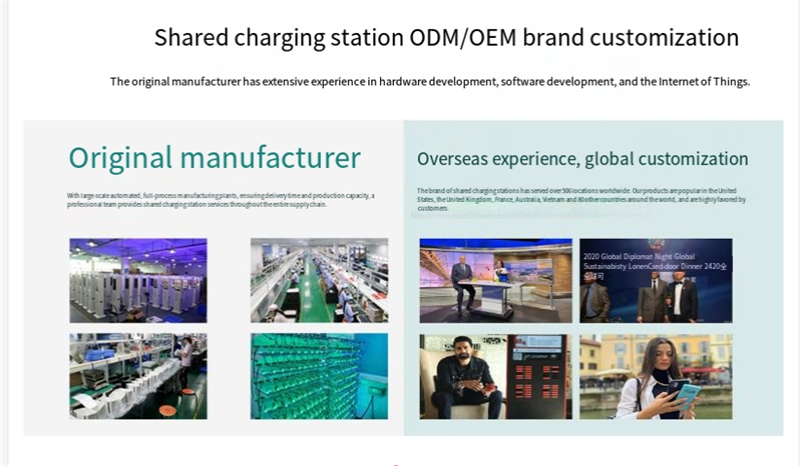
Litapower, the overseas brand of Zhongdian Core shared power bank factory, provides shared power bank customers in Switzerland with software and hardware solutions as well as OEM private-label customization services. These include shared power bank cabinets, rental management backends, application interfaces, and customized payment systems. Depending on the integration capabilities of local payment providers, projects can evaluate local payment services, bank card payments, and international payment options. Multilingual software support is also available to help partners establish their own brands and localized operating systems.
Shared Power Bank Profit Models in Switzerland
Shared power bank businesses in Switzerland can adopt hourly rental fees, with prices adjusted flexibly according to local spending levels, venue foot traffic, and equipment utilization. Charging cabinets equipped with screens can generate additional advertising revenue through commercial partnerships. Regular promotional campaigns and membership top-up programs can help increase user engagement and diversify project revenue streams.
 Company and Product Information Download
.jpg)

.jpg)

.jpg)
.jpg)
.jpg)


