


South Korea has a mature digital consumption, commercial, and mobile payment environment, and the shared power bank market has already achieved a certain level of market awareness. South Korea’s shared power bank rental market was worth approximately USD 300 million in 2024 and is expected to reach USD 330 million in 2025, with continued growth anticipated. South Korea’s smartphone penetration rate is approximately 93.6%, and smartphones have become an integral part of daily activities such as shopping, navigation, ordering food, social networking, and payments, creating stable demand for instant charging through shared power banks.
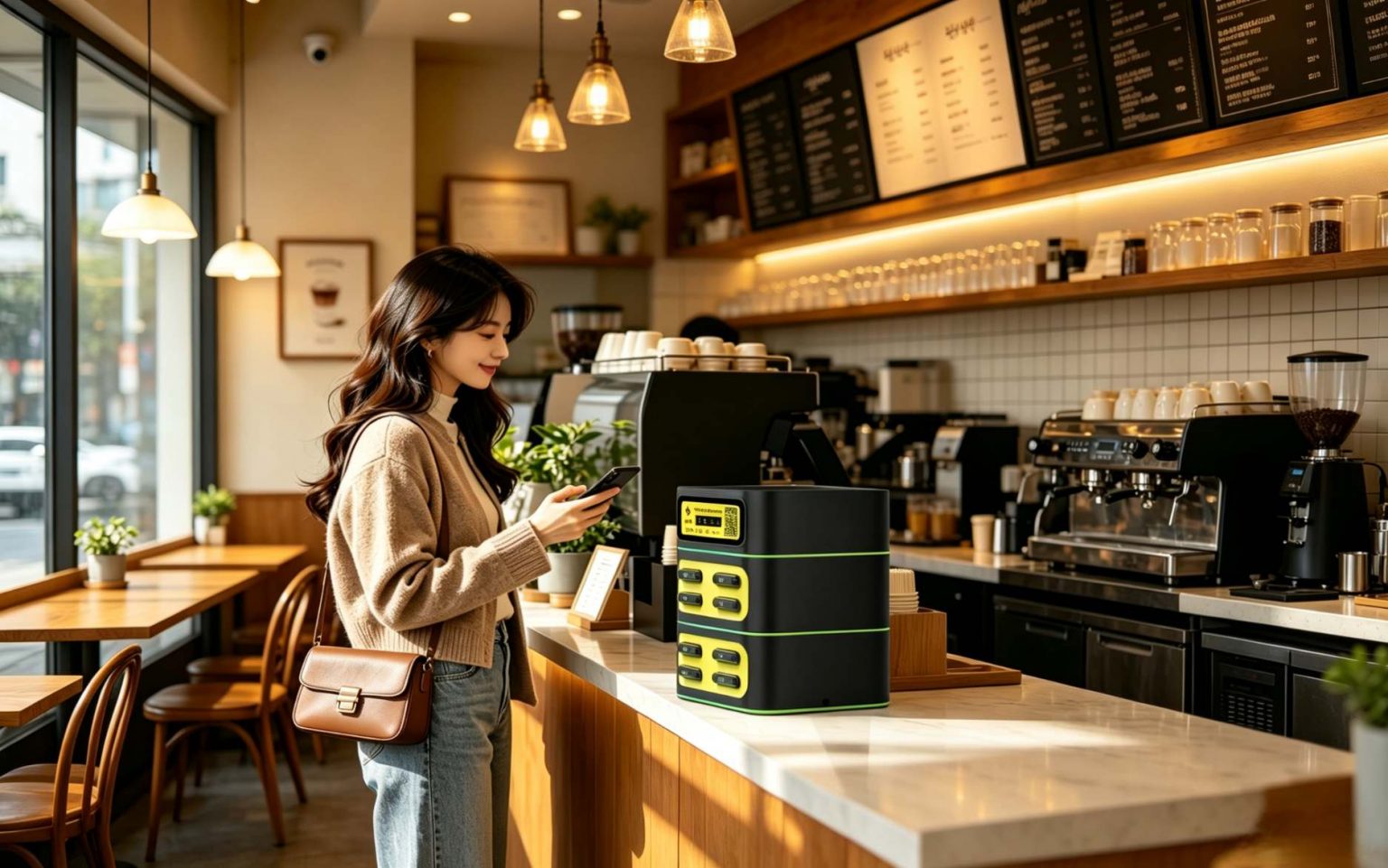
I. South Korea Shared Power Bank Market Overview
Why does the South Korean shared power bank market have room for further development? According to a 2025 survey by Verified Market Reports, the South Korean shared power bank market is worth approximately USD 450 million, with a compound annual growth rate of 8%–12%. Smartphone penetration in South Korea has reached 95%, while smartphone ownership among young people aged 18–34 is as high as 99.2%. The average rental duration of a shared power bank can reach up to 4 hours. Young consumers use their smartphones intensively, creating strong demand for shared power bank rentals.
Social Demand:
Young South Korean consumers use smartphones frequently. Travel, navigation, mobile payments, food ordering, social networking, and entertainment all rely heavily on smartphones. As people spend more time outside, low battery levels can directly affect normal smartphone use, so the demand for instant charging remains strong.
Service Model:
Shared power banks solve temporary charging problems through a “scan to rent – charge on the go – return at another location” model. South Korea already has local shared power bank services covering high-frequency consumption scenarios such as convenience stores, indicating that users already have a certain level of awareness and acceptance of this rental model.
Market Entry Conditions:
South Korea has dense commercial scenarios, and convenience stores, shopping malls, restaurants, cafés, subway stations, and entertainment venues are all suitable locations for deploying shared power banks. At the same time, digital payment services such as Naver Pay, Kakao Pay, and Toss have become deeply integrated into South Korea’s everyday consumer ecosystem.
II. How to Build a Shared Power Bank Project in South Korea? Zhongdian Core Solution
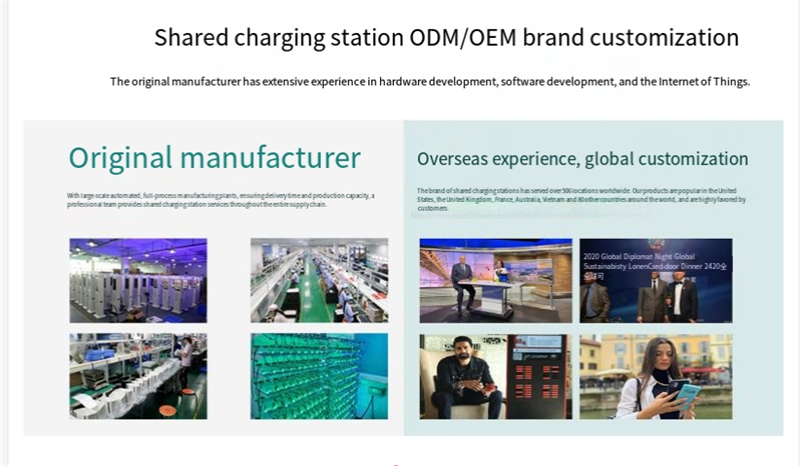
Litapower, the overseas shared power bank brand under Zhongdian Core, has extensive experience in the international shared power bank market. It provides Korean partners with shared power bank OEM and private-label services, software and hardware systems, payment integration, compliance certification support, pricing strategies, and operations management training, helping partners quickly build a dedicated shared power bank brand in South Korea.
-
Overseas Experience:
We have provided global cooperation services for more than 600 brands, covering operators, chain stores, traders, and local overseas service providers.
-
Supply Capability:
With our own production lines and self-developed software, we support independent deployment and source code delivery. We support single-unit samples, small-batch testing, and large-scale orders.
-
Manufacturing Strength:
Our intelligent manufacturing base covers the entire production process, including R&D, mold development, SMT assembly, product assembly, aging tests, and other manufacturing procedures.
-
OEM Customization:
We support customization of power banks, station appearance, colors, and logos to help create a localized Korean brand image.
Based on the actual needs of overseas customers, the company has developed a “Five-Chain Service System” covering the Supply Chain, Operations Chain, Compliance Chain, Service Chain, and Capital Chain, providing partners with comprehensive support throughout the entire process from project implementation to operational development.
FAQ — Frequently Asked Questions
-
What is the current state of the South Korean shared power bank market, and how can beginners enter the market?
The South Korean shared power bank market is relatively concentrated, and equipment can already be found in locations such as chain supermarkets, convenience stores, cafés, and transportation hubs including subway stations. New operators can also consider locations such as bars, nightclubs, hotels, and tourist attractions.
-
What payment methods and compliance requirements apply to shared power banks in South Korea?
Local payment methods suitable for shared power banks in South Korea include Naver Pay, with approximately 30 million users, Kakao Pay, with approximately 24 million users, Toss Pay, and Samsung Pay. Batteries should obtain KC certification and UN38.3 test reports, while the equipment should comply with relevant safety inspection requirements.
-
Does Litapower support brand customization?
Yes. Litapower provides comprehensive brand customization, from hardware appearance, including silk-screen or full-color logo printing and color customization, to software systems such as white-label apps and management backends.
-
How can shared power banks differentiate themselves in the South Korean market?
Zhongdian Core’s shared power bank stations feature double-sided display screens, a dual-lock design, anti-theft protection, stable operation, high-temperature resistance, and strong waterproof performance. The power banks support fast-charging upgrades and use 10,000mAh quasi-solid-state fast-charging batteries, offering durability and high charging efficiency.
 Company and Product Information Download
.jpg)

.jpg)

.jpg)
.jpg)
.jpg)


