


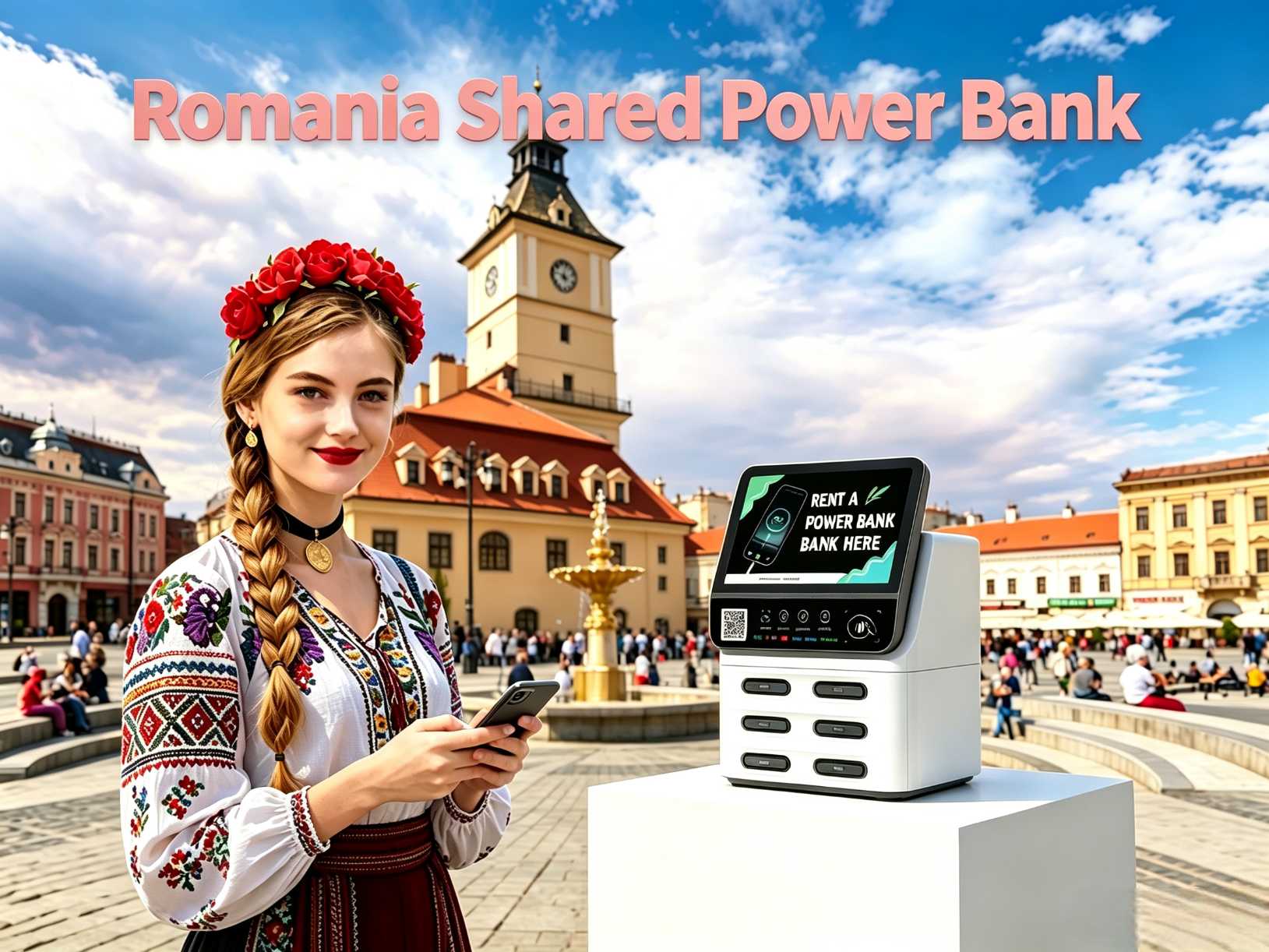
Romania is a highly valuable blue ocean market in Eastern Europe, featuring mature digital consumption habits, abundant business travel, tourism, and nightlife consumption scenarios. Users have strong outdoor charging demands. Currently, Romania’s shared power bank industry is still in its early development stage, but its advantages of low competition, high demand, and low investment make it a promising destination for shared power bank expansion in Europe.
I. How Does Shared Power Bank Business Make Profit in Romania?
Romania’s shared power bank business has low entry barriers, strong adaptability, and diversified revenue channels. Through a mature localized operation model, it can achieve stable and long-term revenue generation, making it a beginner-friendly overseas entrepreneurship project.
The core profitability model of Romania shared power banks consists of three major sections, creating a balanced revenue structure with strong risk resistance.
Shared Power Bank Business Profit Models
1. Daily Rental Revenue:
Daily rental income is the primary revenue source for shared power banks in Romania. Users can rent power banks through QR code scanning, bank card payments, or mobile payments, and pay according to the rental duration.
If you own a business location, you can directly deploy shared power banks to provide convenient charging services for customers while generating additional income. For individual entrepreneurs or operators, cooperation with restaurants, bars, shopping malls, hotels, and other commercial locations can reduce initial investment through revenue sharing or free equipment deployment. The “rental income + scenario cooperation” model helps quickly expand market coverage.
In cities such as Bucharest, Cluj-Napoca, and Brasov, high-traffic commercial areas usually achieve higher equipment utilization rates, effectively improving project profitability.
2. Advertising Partnership Revenue:
Romanian shared power bank cabinets can be equipped with display screens. By leveraging high-traffic locations such as commercial districts, tourist attractions, and entertainment venues, operators can provide advertising services for local businesses, tourism brands, and restaurants.
This helps activate the unused value of equipment, create additional revenue channels, and further increase the overall revenue generated by each device.
3. Membership Value-added Revenue:
Based on user rental data, operators can launch value-added services such as prepaid memberships, deposit-free rentals, and discounted rental durations. These services reduce user adoption barriers, improve customer loyalty and repeat usage, and bring long-term stable additional revenue to Romania shared power bank projects.
II. Analysis of Romania Shared Power Bank Brands
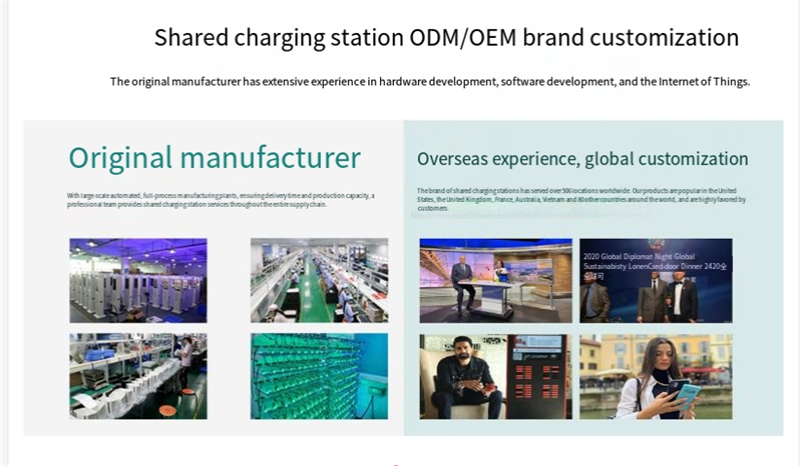
In the Romanian shared power bank market, Litapower, a brand under China Electric Core, is rapidly becoming one of the most representative overseas expansion brands in Europe.
With mature hardware and software systems, comprehensive overseas deployment capabilities, and professional OEM power bank customization services, Litapower fully adapts to the needs of the Romanian local market and continues to promote the large-scale and branded development of shared power bank projects in Romania.
Scenario-based Deployment:
Nightclubs and Bars
Restaurants and Retail Stores
Shopping Malls and Commercial Centers
Tourist Attractions and Hotels
Metro Stations and Airports
Through multi-scenario deployment, Romania shared power banks can gradually establish a localized operation network. Combined with the development trend of the European shared power bank market, businesses can achieve brand promotion, user growth, and long-term revenue generation.
 Company and Product Information Download
.jpg)

.jpg)
.jpg)
.jpg)
.jpg)


