


Cambodia shared power bank is a highly potential lightweight blue ocean project in Southeast Asia. With the continuous recovery of the local tourism industry, steady digital development, and a favorable consumption environment, Cambodia has established a solid foundation for shared power bank growth. The Southeast Asia shared power bank market continues to release new opportunities, and Cambodia shared power bank has become an attractive overseas entrepreneurship opportunity with advantages including low competition, strong demand, and high rental value.
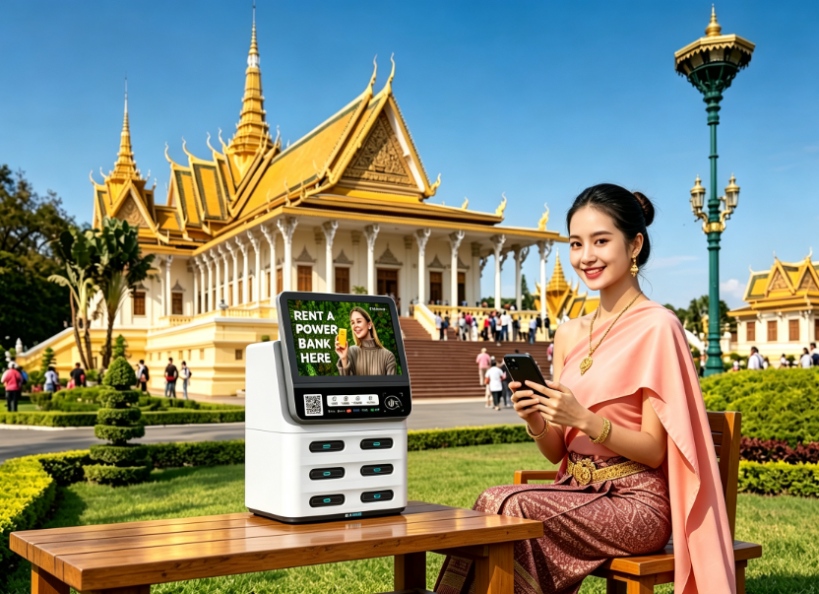
I. Market Advantages of Cambodia Shared Power Bank
1. Popularity of Mobile Payments
Cambodia’s digital payment industry is developing rapidly. Local payment systems such as Bakong, Wing, and TrueMoney are becoming increasingly popular, while international payment methods including Visa and Mastercard are widely used in tourism consumption scenarios. Cambodia shared power bank can reduce rental barriers through QR code payment and NFC payment methods, covering both local consumers and international tourists.
2. Strong Tourism Industry
Cambodia has famous tourist destinations such as Angkor Wat and Sihanoukville, attracting a large number of international visitors every year. Tourists heavily rely on smartphones for navigation, photography, and mobile payments in scenic areas, hotels, restaurants, and cafés. The strong demand for smartphone charging creates stable usage scenarios for Cambodia shared power bank.
3. High Rental Pricing Potential
The rental price of Cambodia shared power bank is higher than that in many domestic markets, with an average price of around 3–6 RMB per hour. Premium locations such as tourist attractions, high-end commercial areas, and hotels can support higher pricing. With sufficient customer traffic, strong charging demand, and limited market supply, Cambodia shared power bank has significant profit potential.
II. How Does Cambodia Shared Power Bank Generate Revenue?
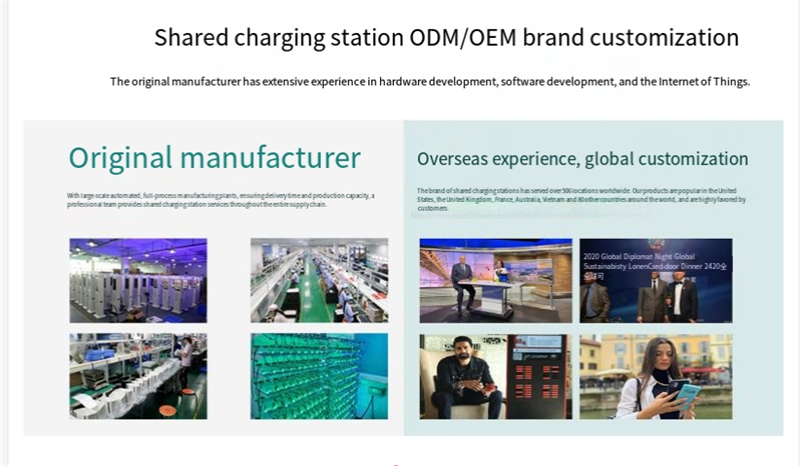
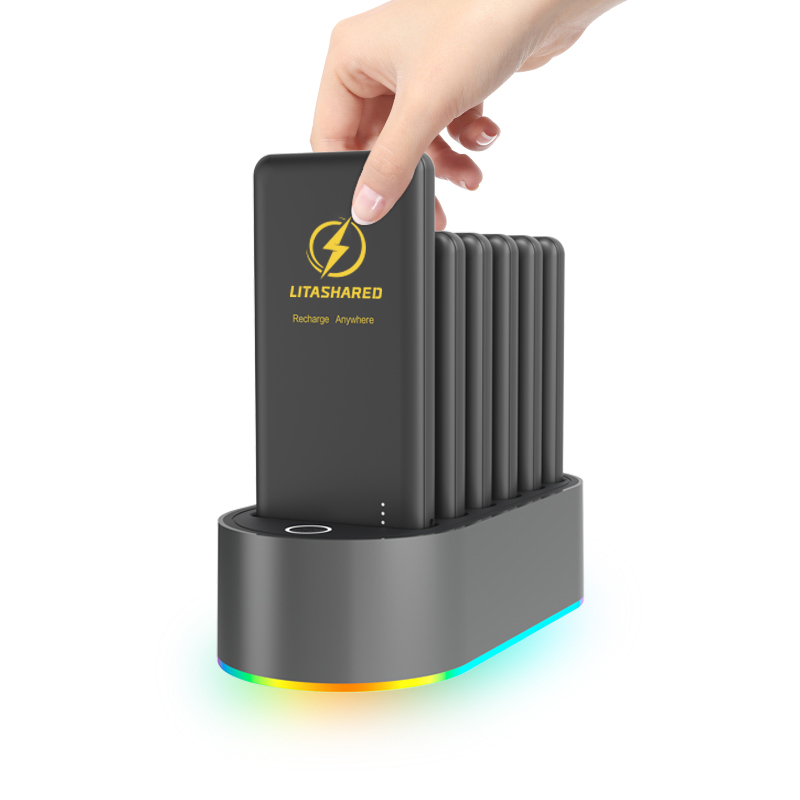
Litapower, under Zhongdian Core, focuses on overseas shared power bank markets and provides mature software systems, hardware equipment, and OEM shared power bank customization services. The company helps partners quickly enter the Cambodia shared power bank market, accelerate Southeast Asia project deployment, and achieve long-term business value.
Core Profit Models of Shared Power Bank Business
1. Rental Charging Model
Cambodia shared power bank usually adopts an hourly rental pricing model combined with deposit-based or credit-based rental methods. Users pay according to actual usage time, meeting short-term emergency charging needs while ensuring continuous revenue for operators.
2. Location Selection and Partnership Deployment
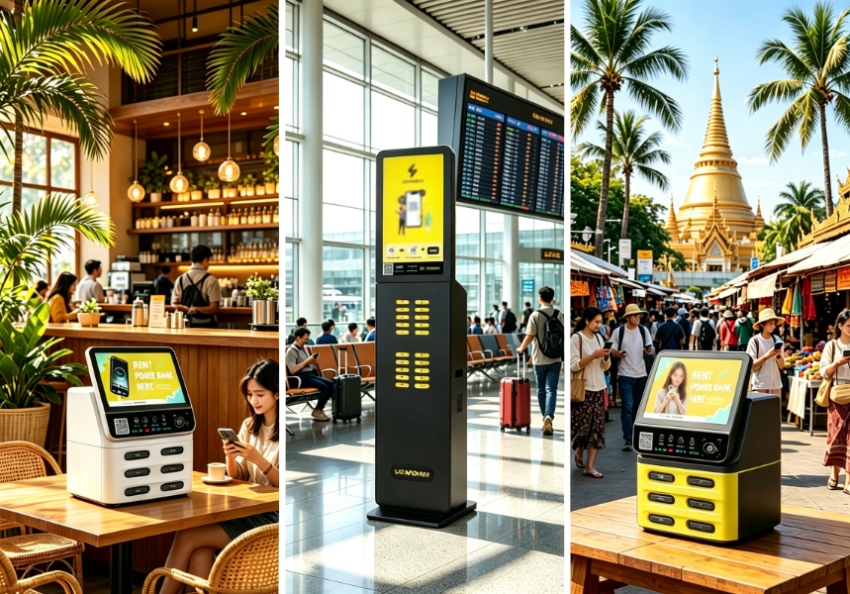
Priority should be given to high-traffic locations such as airports, tourist attractions, shopping malls, metro stations, popular restaurants, nightclubs, and bars.
Businesses with their own venues can directly install shared power bank stations to create additional revenue streams.
Individual or enterprise operators can cooperate with local merchants through free equipment placement and revenue-sharing models, reducing initial investment costs. Cambodia shared power bank still has abundant premium location resources and relatively low competition, allowing early entrants to achieve a stable payback period of approximately 3–5 months.
Currently, the Cambodia shared power bank market remains relatively competitive with significant development opportunities in premium commercial locations. Through local payment integration, accurate scenario deployment, and effective brand operation, operators can gradually establish stable revenue models and expand the local shared power bank market.
 Company and Product Information Download
.jpg)

.jpg)
.jpg)
.jpg)
.jpg)


