


Any overseas investment comes with both opportunities and risks. Entering the market blindly can easily result in lower-than-expected returns and extended payback periods. Iceland, as a popular European travel destination, has a developed tourism economy and a large influx of foreign visitors. Outdoor activities, sightseeing, and travel consume device power quickly, creating a strong demand for mobile charging. Iceland represents a premium blue ocean market in the European shared power bank sector.
.jpg)
I. Investment Returns and Risk Analysis
Cost Breakdown
The Iceland power bank rental project is a light-asset investment with low overall input and no high maintenance costs, making it suitable for small and medium-sized entrepreneurs. The core cost lies in purchasing equipment, which can be flexibly selected from 4 to 12-slot devices based on the scene size, deployed as needed without large inventory. In addition, minor venue cooperation fees apply. Many prime local locations use revenue-sharing models instead of fixed high rent, significantly reducing initial investment pressure. The overall investment threshold is far lower than traditional physical projects, aligning with the light-asset overseas investment logic of European power bank rental projects.
Profit Model Analysis
The core of Iceland’s revenue relies on tourism-driven traffic, with clear peak and off-peak season characteristics. The overall profit potential is considerable, and returns differ by scenario:
Core Tourism Scenes: Tourist attractions, popular check-in spots, travel hubs, airports, and ports see concentrated visitor flow and urgent charging demand. Daily rentals average 3–4 per device, monthly revenue reaches €130–180 per unit, doubling during peak season, with a payback period of only 3–5 months, representing the main profit scenario.
Stable Urban Scenes: City hotels, specialty restaurants, and commercial stores have steady foot traffic with minimal seasonal impact. Daily rentals average 2–3 per device, monthly revenue ranges €90–130, with a 5–7 month payback period, serving as a baseline revenue scenario.
Long-Term Value: Once devices are deployed and stable operations are achieved, there are almost no ongoing costs, ensuring long-term pure profits. Combined with the high average ticket value of European shared power banks, the overall ROI is substantial.
Risks and Mitigation Strategies
Overall project risk in Iceland is low, mainly including seasonal traffic fluctuations, remote maintenance challenges, and strict compliance requirements. These can be mitigated through refined operations. For off-peak tourism, balance urban commercial locations to smooth seasonal revenue. For remote maintenance, rely on intelligent backend remote control to reduce on-site inspections. For European data compliance, use certified devices and local server deployment to fully mitigate operational risks, ensuring long-term stable profits.
II. Zhongdian Core Shared Power Bank Factory
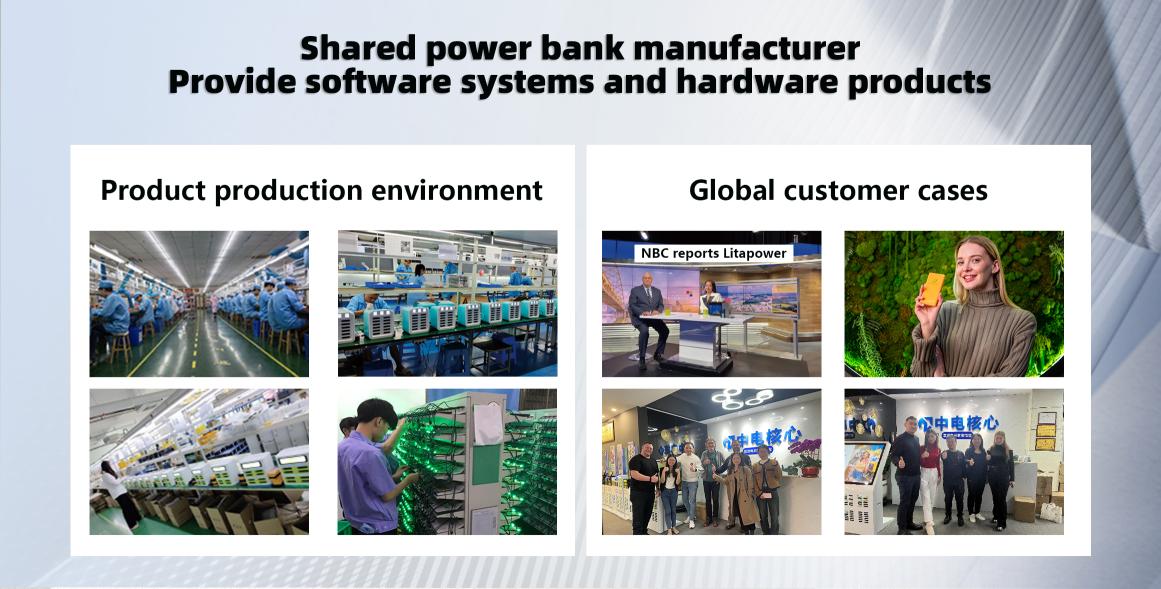
Zhongdian Core has over ten years of experience in the shared power bank industry and is a leading domestic manufacturer, specializing in one-stop OEM/ODM services for overseas deployment. It fully supports partners in launching Iceland power bank projects and capturing the European blue ocean market opportunity.
The brand offers full services including brand customization, system deployment, and remote management platform setup, helping newcomers quickly complete overseas project implementation. Equipment models are comprehensive, covering 4, 6, 8, and 12-slot stations, flexibly adapting to Icelandic tourist sites, convenience stores, malls, and stations, meeting different location operational needs and supporting stable deployment of European shared power bank projects.
 Company and Product Information Download
.jpg)

.jpg)

.jpg)
.jpg)
.jpg)


