


In the Portuguese market, the pricing model of shared power banks directly affects user acceptance, rental conversion rates, and overall project profitability. Reasonable localized pricing is the key to achieving stable long-term returns. Portugal is a high-consumption market in Europe with strong payment awareness. Local digital payment penetration exceeds 98%, and users have a high acceptance of paid shared services with low price sensitivity. Based on mature consumption habits, a well-adapted pricing system can effectively increase usage rates and repeat purchases, building a sustainable profit model.
_metool.jpg)
1. Pricing Structure and Market Acceptance Analysis
1. Detailed Explanation of Charging Mechanism
Shared power banks in Portugal adopt a standardized tiered pricing model commonly used across Europe, combined with a daily price cap. Pricing is transparent and simple, aligning with local consumer habits and avoiding hidden charges, resulting in high market acceptance.
The mainstream pricing structure combines short-term base pricing with long-term caps. Industry standards are typically: €0.5–1 for the first 30 minutes, €1–2 per additional hour, and a daily cap of €6–10 within 24 hours. This prevents excessive charges and significantly reduces user concerns.
2. Differences in User Payment Behavior Across Regions
Compared to Southeast Asia and the Middle East, Portuguese users demonstrate distinct European payment behaviors, which serve as a key reference for pricing strategies. Users in Southeast Asia are highly price-sensitive and prefer low-cost, single-use payments with minimal room for premium pricing.
In contrast, Portuguese users have a mature payment mindset. They recognize the convenience value of shared services, are less concerned about small expenses, and place greater emphasis on user experience, rental convenience, and payment smoothness. They also show strong acceptance of reasonable price premiums in appropriate scenarios.
3. Operational Strategy: Increasing Usage and Retention
To improve usage rates and customer retention in Portugal, operators must combine local payment logic with refined operational strategies. First, maintain transparent pricing by clearly displaying charging rules and daily caps on device interfaces and rental pages. This builds trust and reduces user hesitation during initial use.
Secondly, adapt to local consumption patterns. Prices can be slightly increased during peak tourist seasons and holidays, while maintaining competitive pricing during off-peak periods to balance volume and revenue. For frequent business travelers and younger local users, offering short-term passes, daily plans, or monthly packages can help secure long-term repeat customers.
2. Zhongdian Core Shared Power Bank Manufacturer
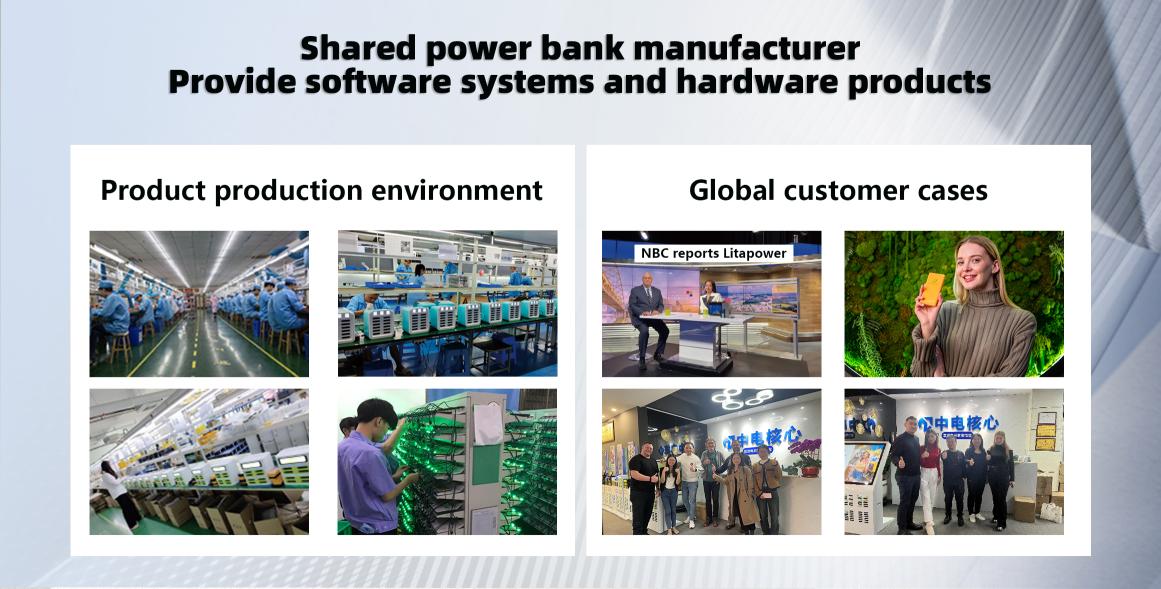
With over a decade of industry experience, Zhongdian Core has become a leading original manufacturer in China’s shared power bank sector. The company has extensive experience in the European market and is familiar with Portugal’s pricing rules, user payment habits, and regulatory requirements. It provides one-stop OEM/ODM services, including brand customization, system deployment, and remote management platforms, helping partners quickly establish operations in Portugal.
Additionally, it offers overseas local server deployment options to ensure smooth and stable system performance, fully compliant with European data regulations, enabling efficient, secure, and sustainable business growth in the Portuguese shared power bank market.

 Company and Product Information Download
.jpg)

.jpg)

.jpg)
.jpg)
.jpg)


