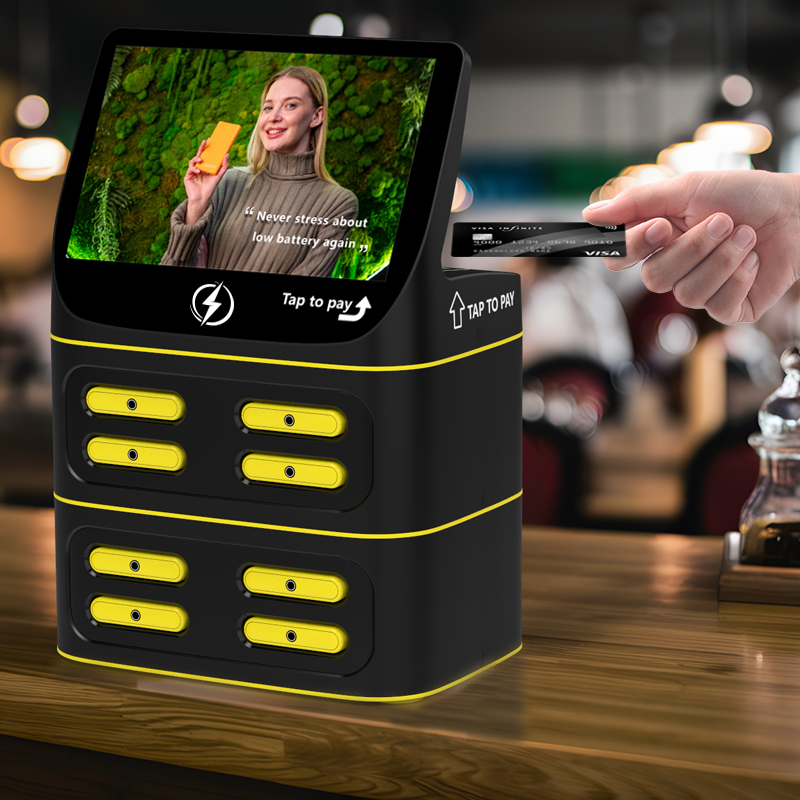
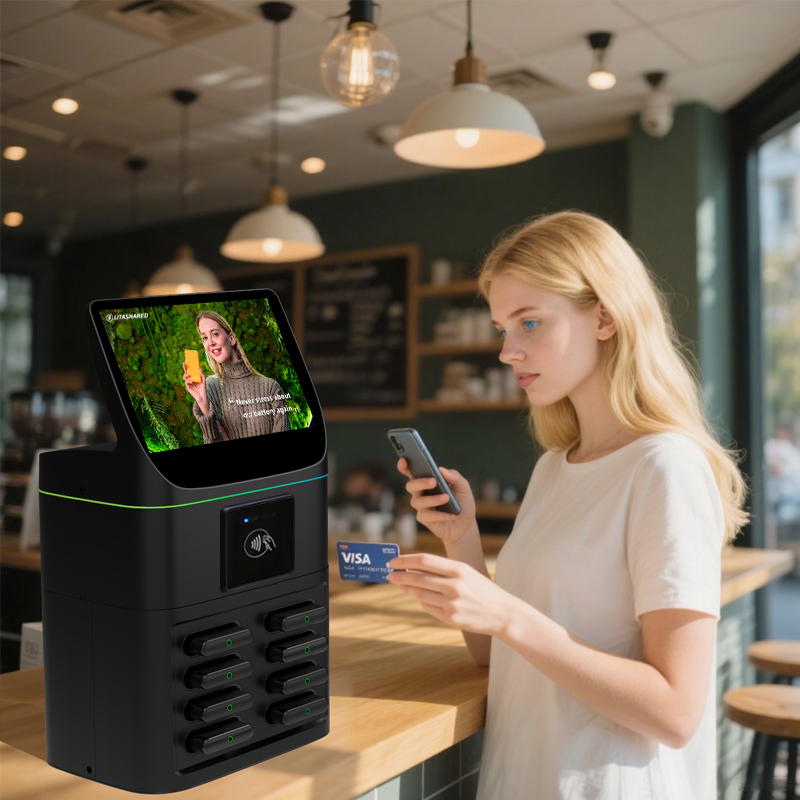
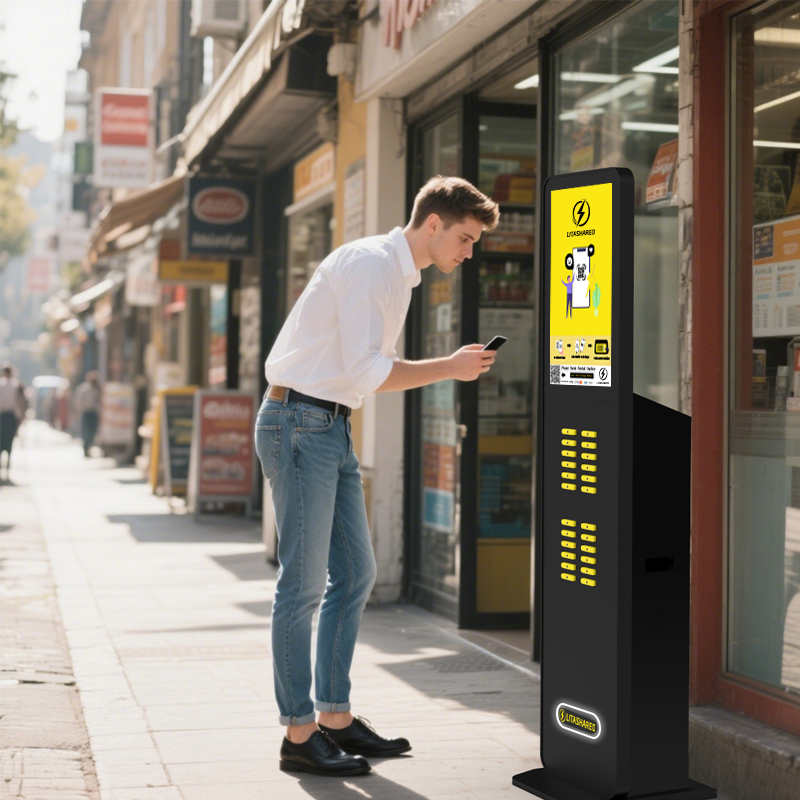
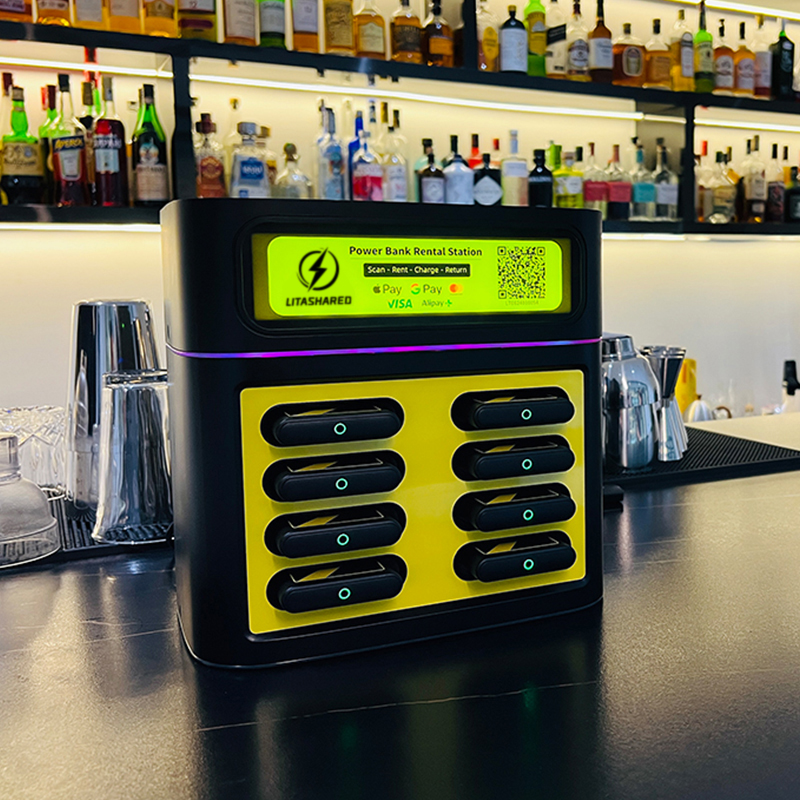
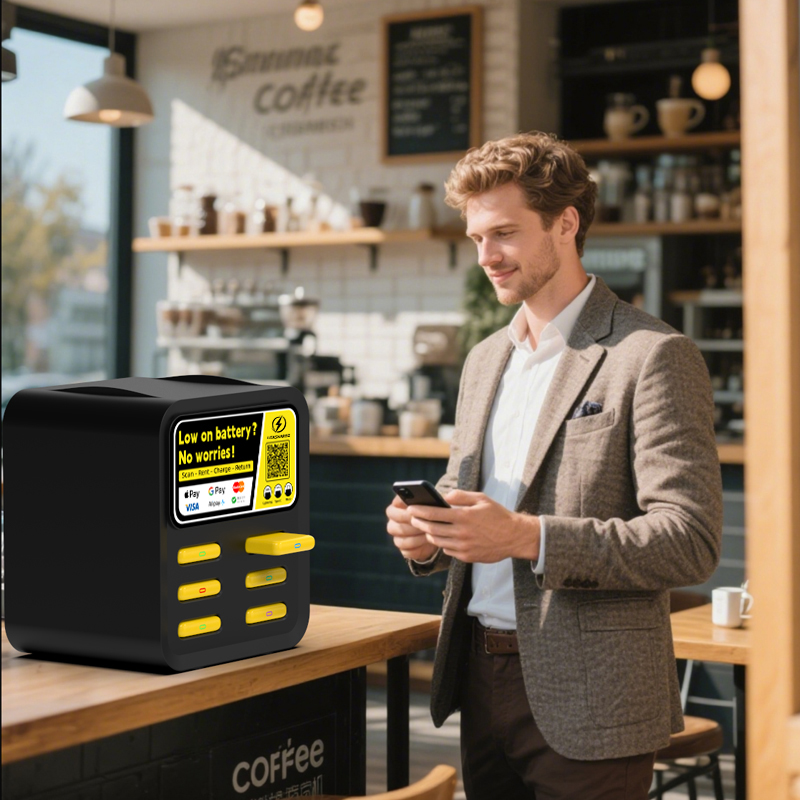
Hungary is a prominent tourism and leisure market in Central and Eastern Europe. Budapest sightseeing, Danube river cruises, thermal spa experiences, music festivals, and holidays around Lake Balaton create a diverse range of commercial opportunities. In 2025, overnight stays in Hungarian accommodation establishments reached 47.17 million, representing year-on-year growth of 5.1%. With its distinctive Danube night views and thermal spa and wellness tourism, Hungary offers promising opportunities for the expansion of shared power bank services.
_metool.jpg)
1. Hungary Shared Power Bank Market Analysis and Strategy
Why is Hungary suitable for deploying shared power banks in thermal spa destinations, urban sightseeing areas, and lakeside leisure markets?
Market Advantages:
(1) International Tourism and Thermal Spa Economy: In 2025, Hungarian accommodation establishments welcomed approximately 9.92 million international visitors, generating around 24.51 million overnight stays, an increase of 8.3% year on year. Budapest, Lake Balaton, and the thermal spa destinations of Bük and Sárvár are among the country's major tourist destinations. Visitors often spend extended periods at thermal baths, lakeside resorts, and historical attractions. Their use of mobile phones for navigation, photography, social media, and online bookings creates ongoing demand for charging services.
(2) Rapid Development of Mobile Payments: Hungary had approximately 9.05 million internet users in 2025, representing a penetration rate of 94.1%, alongside around 11 million mobile connections. According to the Hungarian National Bank's 2026 Payment Systems Report, approximately 30% of card purchase transactions in 2025 were completed through mobile wallets, with 638 million mobile wallet payments recorded throughout the year. Devices supporting bank cards, NFC, Apple Pay, and Google Pay can therefore serve both local residents and international visitors.
(3) Gradual Recovery of Consumer Spending: According to the European Commission's Autumn 2026 Economic Forecast, Hungary's GDP is expected to grow by 1.8% in 2026, with rising consumption serving as an important driver of economic recovery. Hungary uses the Hungarian forint (HUF) and is not part of the eurozone. Investors should therefore set rental prices based on local purchasing power, equipment costs, and venue partnership conditions rather than relying solely on exchange rates to determine average transaction values.
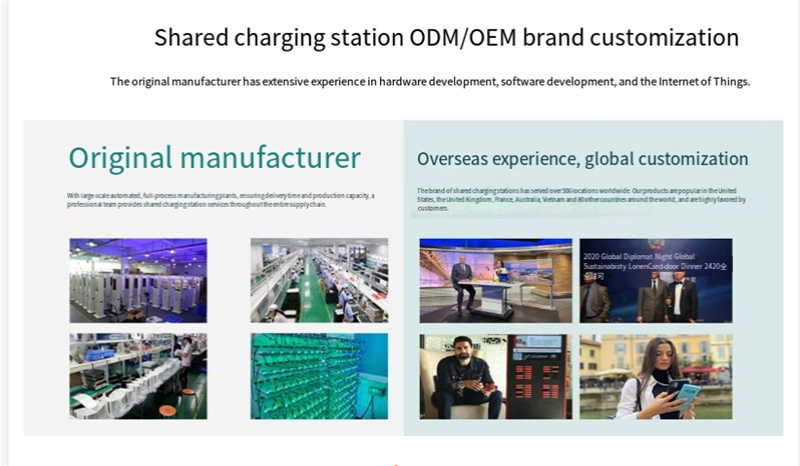
Many Hungarian entrepreneurs and investors choose to leverage China's supply chain to build their own shared power bank brands. Through OEM private-label customization services, they can import equipment and develop their businesses in the Hungarian market. Litapower, a brand under Zhongdian Core, provides mature OEM and private-label customization services, offering global partners an integrated solution covering shared power bank software, hardware, and operational support.
2. Shared Power Bank Revenue Models in Hungary
Shared power banks in Hungary can initially target Budapest, Lake Balaton, Debrecen, and the Bük thermal spa area. Priority locations include airports, railway stations, thermal baths, hotels, shopping centers, restaurants, and entertainment venues.
The primary revenue stream comes from rental fees, which can be charged by the hour. A free first-use experience can help attract new users, while prices can be adjusted dynamically according to tourist peak seasons, music festivals, and holiday traffic. Membership promotions can include monthly packages, consecutive-rental offers, and discounts for repeat rentals to improve user retention. Cabinets equipped with screens can also display advertisements for hotels, restaurants, thermal resorts, and local brands, creating an additional source of advertising revenue.
 Company and Product Information Download