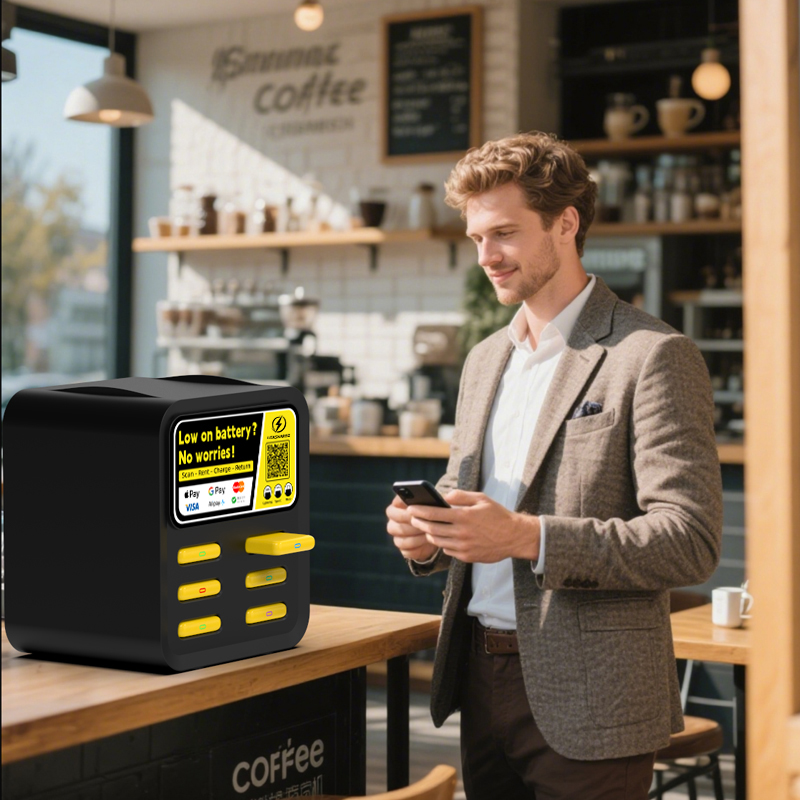
The European shared power bank market is expanding into tourism, coastal leisure, and urban commercial consumption scenarios. Portugal has a well-established international tourism industry, a warm coastal holiday climate, and a growing digital payments market. Can shared power banks in Portugal leverage the tourism economy and outdoor consumption to unlock new market opportunities? These factors create promising opportunities for the development of shared power bank services.
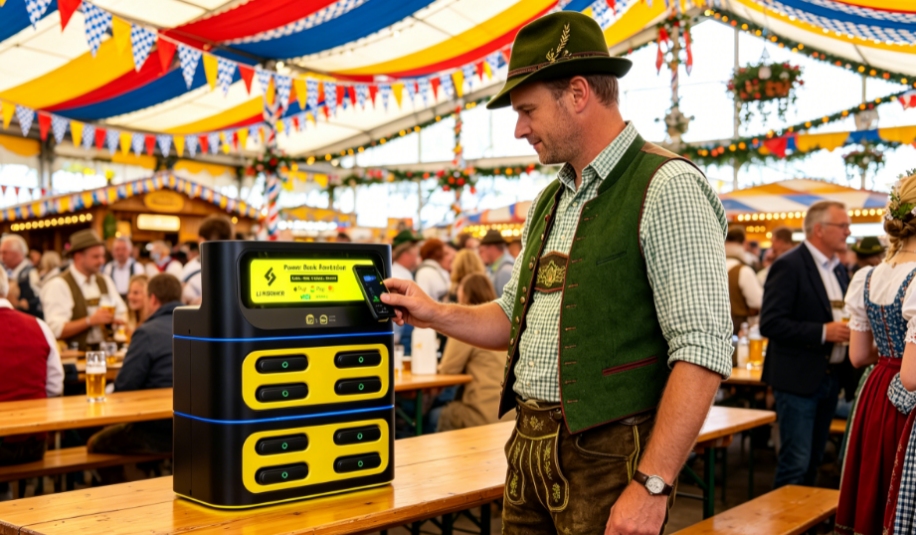
I. Portugal Shared Power Bank Market Analysis and Strategy
Why is Portugal suitable for deploying shared power banks in Europe's coastal tourism and leisure markets?
Market Advantages:
(1) Continued Growth in International Tourism
In 2025, Portugal welcomed 32.5 million tourists, with tourist accommodation recording 82 million overnight stays, an increase of 2.1% year-on-year. Tourism revenue reached €29.1 billion, up 5%. International visitors accounted for nearly 70% of all overnight stays. Lisbon, Porto, the Algarve, and Madeira offer a wide range of hotels, beaches, shopping areas, and tourist attractions. Visitors frequently use their phones for navigation, photography, and social media throughout the day, creating potential demand for shared power banks.
(2) Widespread Mobile Internet and Smartphone Adoption
In 2026, Portugal had 9.26 million internet users, representing an internet penetration rate of 89.0%. The number of mobile connections reached 13.9 million, equivalent to 133% of the total population. This high level of mobile connectivity provides a user base for QR-code-based shared power bank rentals, online payments, and smart device management.
(3) Diverse Coastal Leisure and Entertainment Scenarios
Portugal has a well-established coastal holiday culture, attracting large numbers of visitors every summer to beaches, music festivals, restaurant districts, and outdoor entertainment venues. In 2025, total tourism consumption reached €49.35 billion, equivalent to 16.1% of GDP. Tourism spending supports the development of hotels, restaurants, retail, and entertainment, creating partnership opportunities for shared power bank services in coastal commercial areas, shopping centers, and event venues.
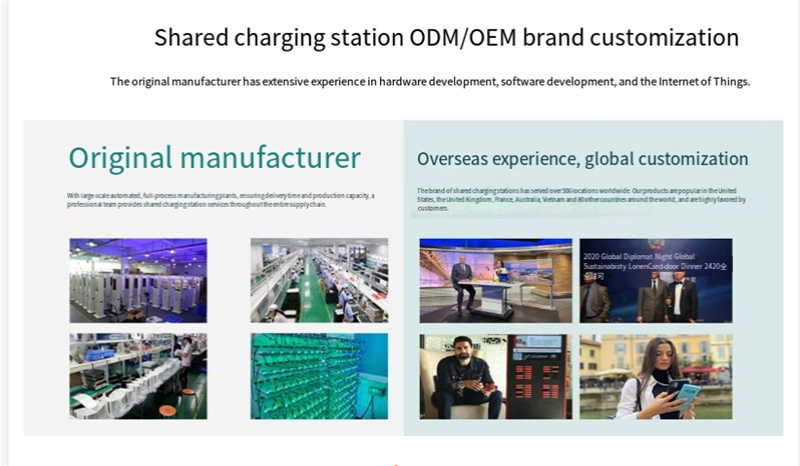
Many local entrepreneurs and investors in Portugal choose Chinese suppliers and import equipment through OEM private-label customization services to enter the Portuguese shared power bank market under their own local brands. Litapower, under Zhongdian Core, provides global partners with an integrated solution covering shared power bank software, hardware equipment, and operational support, backed by its established OEM private-label customization services.
II. Portugal Shared Power Bank Profitability Solutions
How can shared power banks in Portugal generate sustainable revenue? Investors can develop diversified revenue models by taking local tourism seasons, coastal consumption patterns, and digital payment habits into account.
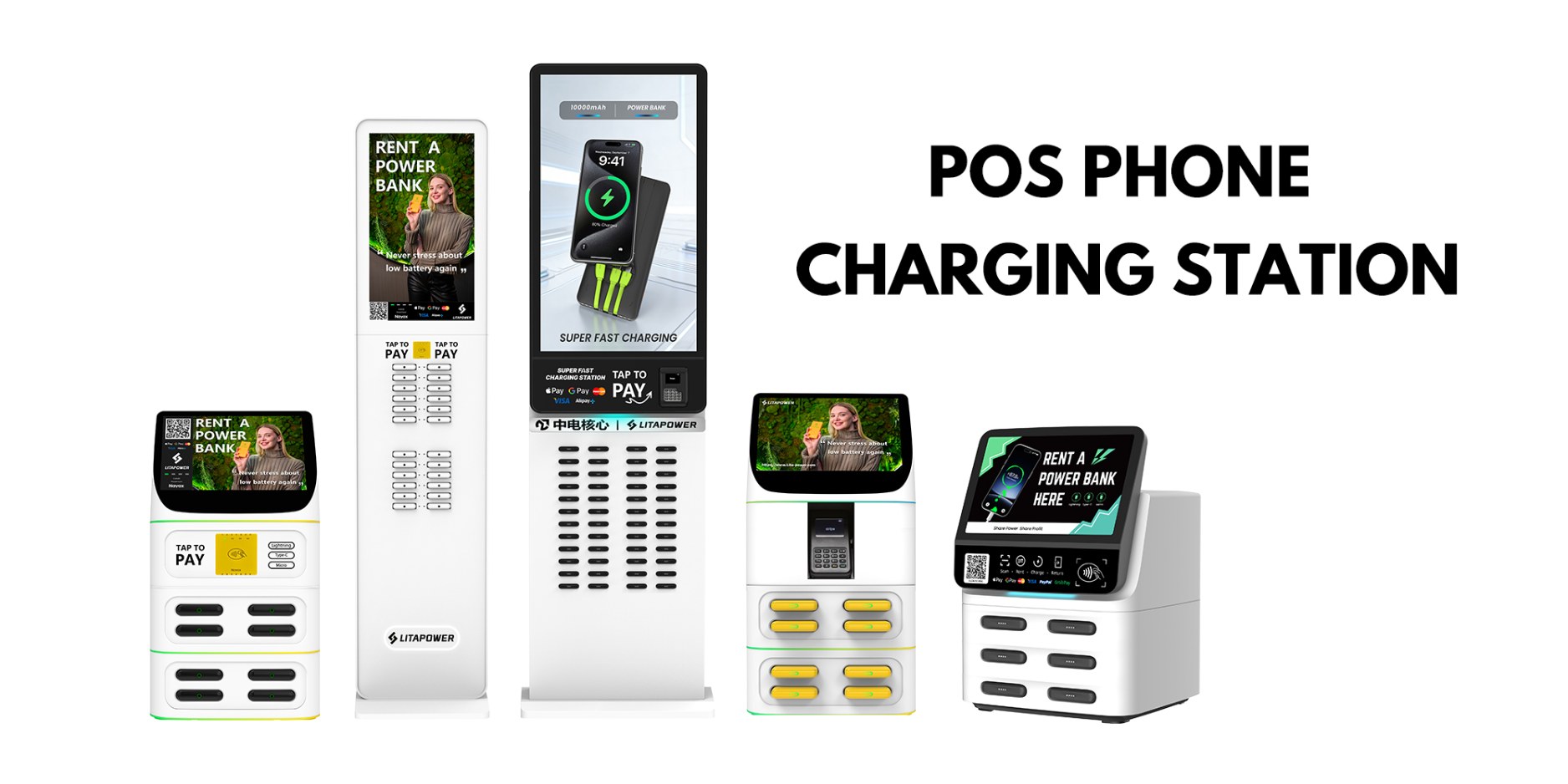
Revenue Models:
Rental fees are the primary source of income. Operators can adopt hourly pricing, first-time free trials, and dynamic pricing strategies to attract tourists and local consumers and increase device utilization. Membership programs can include monthly memberships, discounts for consecutive rentals, and bundled service packages to encourage repeat usage and generate long-term revenue.
Investors are advised to prioritize tourism and consumption hubs such as Lisbon, Porto, and the Algarve. They can begin with a small-scale deployment and gradually expand operations based on actual rental rates, location costs, and partnership terms with local merchants.

 Company and Product Information Download