


South Africa is one of Africa’s major economies, with a relatively well-developed banking system, retail network, and tourism industry. According to Statistics South Africa, the country welcomed approximately 10.499 million international overnight visitors in 2025. Tourism spending, shopping, dining, and entertainment activities create potential demand for shared power bank services (Statistics South Africa, 2026). South Africa also has a well-established digital payment infrastructure, with bank cards, instant electronic transfers, and mobile payments all in use. The South African Reserve Bank is also promoting PayShap instant payments and interoperability between QR code payment systems (SARB, 2025). As tourism and offline consumption continue to develop, South Africa has a foundation for shared power bank operations. However, investors should still consider competition from existing brands and the cost of securing suitable locations.
_metool.jpg)
I. Overview of the Shared Power Bank Market in South Africa
Cxxx has already established a presence in Johannesburg, Cape Town, Durban, Limpopo, and other areas. The brand reports having more than 1,000 power banks in circulation and over 45,000 rentals per month. Zxxx uses an app-based QR code rental system, bank card pre-authorization, and returns at different locations. Oxxx has also showcased an operational station in Sea Point, Cape Town (official brand websites, 2026). These examples indicate that South Africa already has a certain level of market competition. Based on publicly available information, it is not possible to confirm that these brands cover the entire country. However, major brands appear to operate mainly in large cities such as Johannesburg and Cape Town, while many distinctive tourist cities and regional commercial centers still offer opportunities for further exploration.
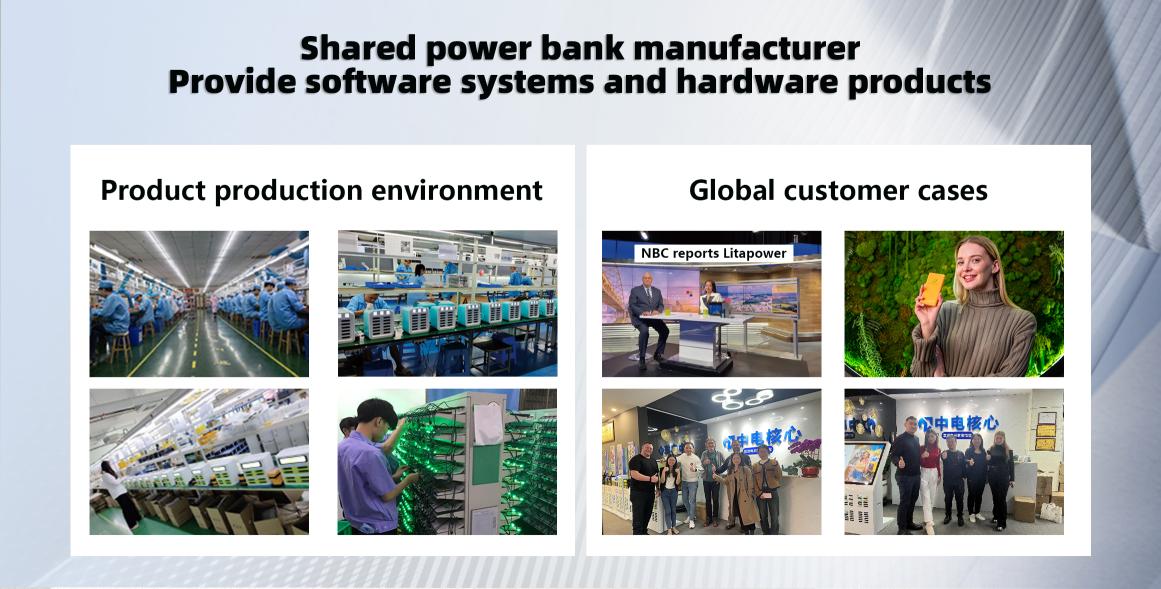
Suppliers from Shenzhen, China, such as Litapower by Zhongdian Core, are also becoming key suppliers for mid-sized shared power bank brands in South Africa. Litapower has partnered on shared power bank projects in several African markets and provides an advanced SaaS management system and hardware solutions. Many South African entrepreneurs and investors import equipment through OEM private-label customization services, operate under their own local brands, and serve commercial districts, tourist attractions, leisure venues, and other offline consumption locations.
II. Shared Power Bank Deployment Across Multiple Scenarios in South Africa
Investors can seek partnerships with local distributors, hotels, and commercial operators in South Africa. Revenue-sharing arrangements can help secure high-quality locations, while periodic rental promotions can attract users. Operators can also use backend data to analyze rental frequency, device utilization, and user preferences, then gradually optimize deployment locations and pricing strategies.
1. Gqeberha (Port Elizabeth) – Coastal Tourism and Urban Commercial Market
City characteristics: Gqeberha is an important coastal city in the Eastern Cape. It offers coastal parks, marine tourism resources, and nearby attractions such as Addo Elephant National Park, making it suitable for serving both tourists and local consumers (South African Government, 2026).
Priority locations: Coastal hotels, shopping centers, restaurants, marine tourism reception points, and event venues.
2. Mbombela – Wildlife Tourism and Resort Consumption Market
The complete process for launching an overseas shared power bank project, including software, payment compliance, and device operations: Litapower’s overseas shared power bank solutions.
City characteristics: Mbombela is an important gateway to Kruger National Park. The city and surrounding area offer botanical gardens, caves, and wildlife tourism resources. Visitors may need mobile charging services while staying at hotels, dining, and traveling (City of Mbombela, 2026).
Priority locations: Tourist hotels, shopping centers, restaurants, tourist transit points, and event venues.

Overall, the publicly listed stations and coverage information of existing shared power bank brands do not necessarily mean that the South African market is saturated nationwide. Johannesburg, Cape Town, and Durban remain key cities, while the tourism, commercial, and leisure scenarios in Gqeberha, Mbombela, and Polokwane also offer considerable value. Investors can first work with local partners to verify location demand and competition before gradually expanding their device networks.
 Company and Product Information Download


