


Israel has a high rate of smartphone usage, a well-established digital payment environment, and active tourism and urban commercial consumption. The country is rich in cultural and tourism resources. Historical sites, the Dead Sea, and coastal attractions draw visitors from around the world throughout the year. During their trips, tourists frequently use their phones for navigation, translation, and photography, creating ongoing demand for mobile charging and providing a steady customer base for shared power bank services in Israel.
I. Overview of the Shared Power Bank Market in Israel
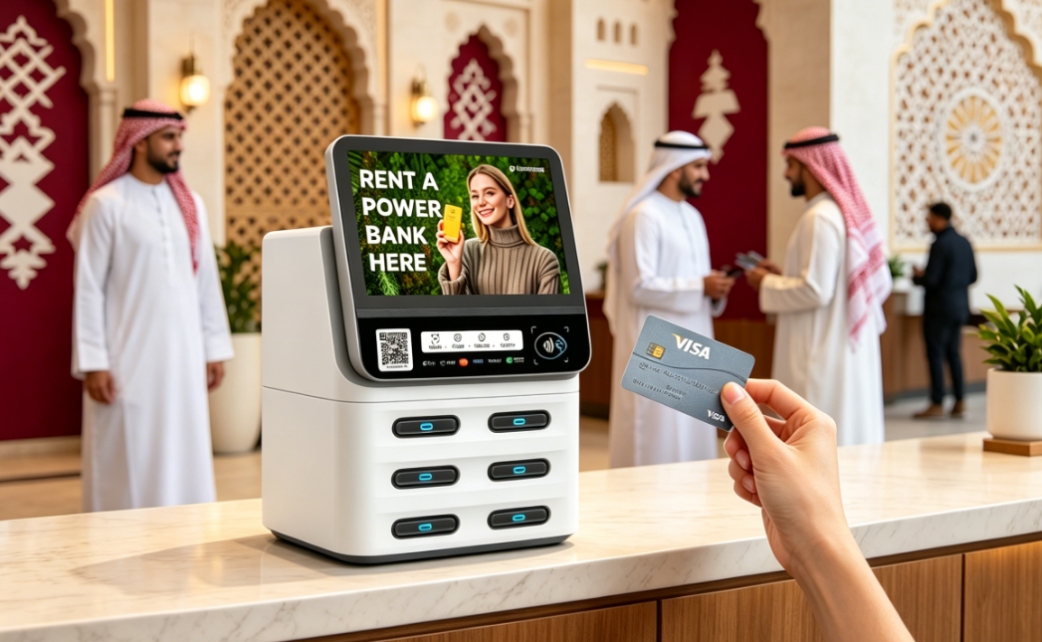
Local operators and equipment service providers have already entered Israel's shared power bank market. Among them, Dxxx is one of the locally available shared power bank service brands that can be publicly verified. Its official platform reports 153 active stations across 28 cities and regions. However, the number of local brands remains limited, and a small number of operators have concentrated their deployments in the central commercial districts of Tel Aviv and Jerusalem. Overall, shared power bank penetration in Israel remains relatively low. Outside these two major cities, station coverage is limited, leaving considerable room for further market development.
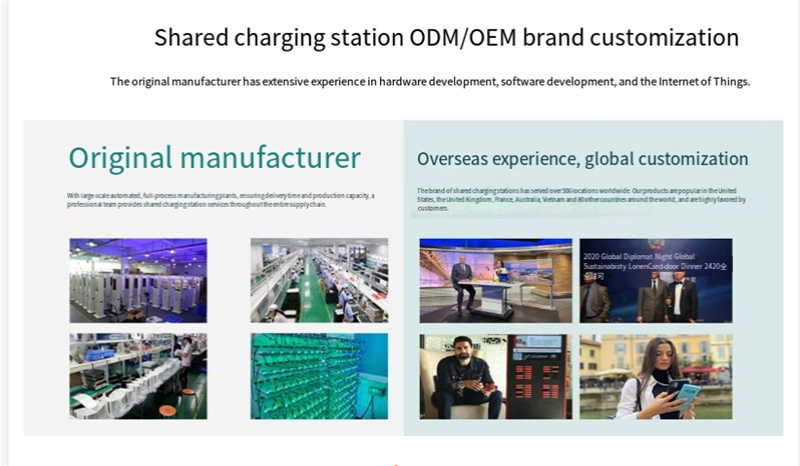
Brands from China's Shenzhen supply chain, such as Litapower (Shenzhen Zhongdian Hexin), have become important suppliers to mid-sized shared power bank operators in Israel. They provide advanced SaaS management systems and hardware solutions. Many local Israeli entrepreneurs and investors import equipment through OEM private-label customization services and operate under their own local brands. For entrepreneurs planning to enter the market, it is advisable to conduct preliminary research based on urban foot traffic, existing equipment distribution, and available commercial partnership resources before selecting suitable deployment areas.
II. Multi-Scenario Deployment of Shared Power Banks in Israel
Shared power bank projects in Israel can initially focus on areas where tourism, urban commerce, and leisure activities overlap. The following cities can serve as potential directions for preliminary market research. Before actual deployment, local equipment coverage and venue partnership conditions should be verified.
1. Tiberias – A Lakeside Tourism and Leisure City
City Features: Located on the western shore of the Sea of Galilee, Tiberias is an important tourist destination in northern Israel. Its lakeside hotels, restaurants, sightseeing attractions, and leisure facilities create various consumer scenarios. Visitors may need mobile charging while traveling, taking photos, and using navigation services.
Key Locations: Areas around the Sea of Galilee, the Tiberias lakeside promenade, hotel districts, restaurants, and tourist service centers.
2. Nazareth – A Religious and Cultural Tourism City

City Features: Nazareth has abundant religious and cultural tourism resources. Its old town, religious buildings, and traditional commercial streets attract visitors from different regions. Tourists frequently use their smartphones for sightseeing, navigation, and photography, making the city worth evaluating for shared charging services.
Key Locations: Areas around the Basilica of the Annunciation, Nazareth Old City, traditional markets, tourist dining streets, and hotels.
3. Acre – A Historic Old City and Coastal Tourism Destination
City Features: Acre is known for its historic old town, port, and coastal attractions. Tourism, dining, and specialty retail businesses are concentrated in several areas. Visitors exploring the city on foot or spending extended periods sightseeing may have a need for convenient mobile charging services.
Key Locations: Acre Old City, Acre Port, areas around the Knights' Halls, the old city's traditional markets, and coastal dining areas.
Overall, Israel offers favorable conditions for shared power bank applications through its tourism consumption, digital payment environment, and diverse commercial venues. However, tourism traffic alone is not enough to determine a project's potential profitability. Entrepreneurs should first investigate existing brands and equipment distribution in their target cities, then negotiate deployment partnerships with local shopping malls, hotels, restaurants, and tourism service providers. Through appropriate pricing, revenue-sharing arrangements, promotional campaigns, and backend data analysis, operators can gradually optimize equipment distribution and operational efficiency.
 Company and Product Information Download


