


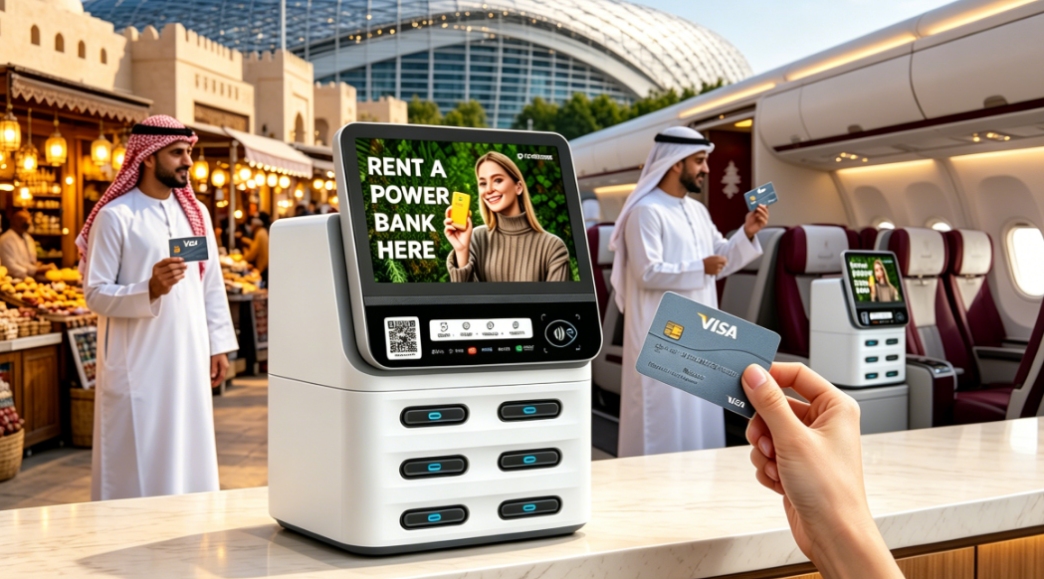
Qatar has a high per capita income and strong consumer spending power. International sporting events, business travel, and coastal tourism continue to attract visitors. The country also has a mature credit card and digital wallet payment environment. Tourists and business travelers rely heavily on their mobile phones, creating a solid market foundation for shared power banks in Qatar. Whether visitors are exploring local attractions, communicating for business, using navigation, or accessing the internet, their phone batteries can drain quickly, generating consistent demand for mobile charging services. Emerging commercial scenarios continue to create new opportunities for the sector.
I. Overview of the Shared Power Bank Market in Qatar
Several shared power bank operators have already entered the Qatari market. For example, Sxxx has a business contact address in Doha and provides shared power bank rental services across restaurants, cafés, shopping malls, hotels, and other locations. It also supports multiple payment methods. This indicates that Qatar's shared power bank market already has a foundation for commercial operations.
However, the number of leading local shared power bank brands remains limited, and no single brand has established a dominant market position. Overall market penetration is still relatively low. Only a small number of stations have been deployed in selected shopping malls and venues in central Doha, while coverage in other areas remains insufficient.
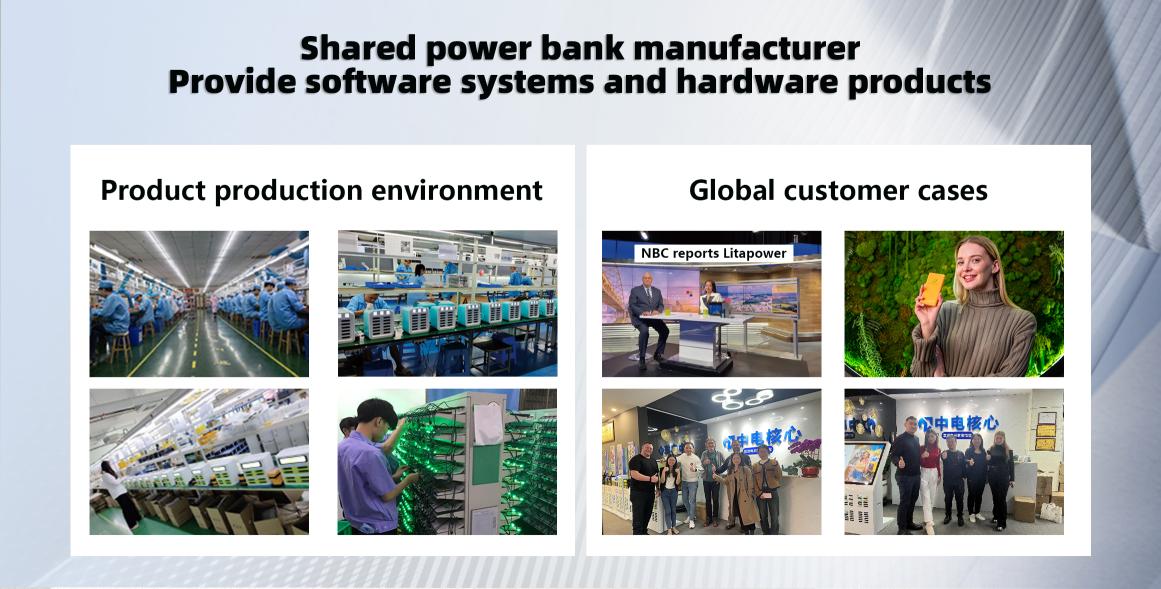
Chinese supply chain providers in Shenzhen, including Litapower and Zhongdian Core, have become important suppliers to mid-sized shared power bank brands in Qatar. They offer mature SaaS systems and integrated hardware solutions. Through OEM private-label customization services, many local entrepreneurs and investors in Qatar import equipment, operate under their own local brands, and seek opportunities in coastal resorts, distinctive commercial districts, and leisure and consumption venues.
II. Deploying Shared Power Banks Across Multiple Scenarios in Qatar
Operators can seek partnerships with established local distributors, venue owners, and operating partners in Qatar. Based on the actual cooperation model, both parties can negotiate revenue-sharing arrangements and jointly expand access to high-quality locations.
Regular promotional campaigns can encourage younger consumers to try shared power bank services. At the same time, operational backend data can be used to analyze rental frequency, device utilization, and user preferences, enabling operators to develop more targeted marketing strategies.
1. Al Wakrah – A Coastal Tourism and Community Commercial Center
City characteristics: Located south of Doha, Al Wakrah features coastal leisure areas, traditional markets, and residential and commercial districts. Daily shopping activities among local residents, along with weekend leisure visits, provide a variety of potential use cases for shared power banks.
Priority locations: Al Wakrah waterfront, Al Wakrah traditional market, shopping centers, restaurant districts, cafés, and hotels.
2. Al Khor – A Northern City and Leisure Tourism Destination
City characteristics: Located in northern Qatar, Al Khor offers coastal leisure facilities, residential communities, and commercial areas supporting local industries. Operators can explore demand for shared charging services among local residents, business travelers, and visitors from surrounding areas.
Priority locations: Al Khor Family Park, traditional markets, hotels, shopping areas, restaurants, and leisure and entertainment venues.
Overall, Qatar's shared power bank market already has local operators and a foundation for commercial development. As the country's main commercial and tourism hub, Doha has already attracted operators offering rental services. Areas such as Al Wakrah and Al Khor, meanwhile, offer potential directions for further market research and expansion.
Investors should assess existing device coverage, venue partnership conditions, payment integration, and actual rental demand before developing a suitable deployment and operating plan.
 Company and Product Information Download


