


Tunisia is located in North Africa and boasts a Mediterranean coastline, historic landmarks, and a wealth of tourism and vacation resources. Hotels, seaside resorts, restaurants, entertainment venues, and commercial centers offer potential demand for shared power bank services. Shared power bank projects in Tunisia can meet tourists’ outdoor charging needs while helping venues increase their revenue.
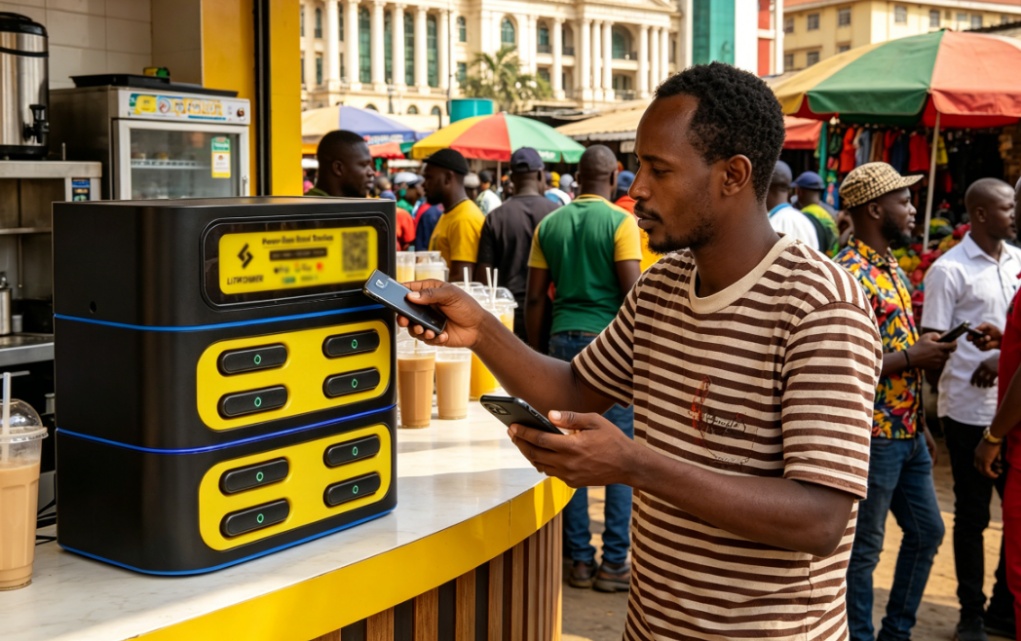
I. Shared Power Bank Market Analysis and Strategy in Tunisia
The overall market penetration of shared power banks in Tunisia remains relatively low, and industry competition is limited, making it a promising market with significant growth potential. Local residents and international visitors are becoming increasingly receptive to shared charging services. Operators can support multiple payment methods, including local e-wallets and international credit cards. Priority should be given to popular tourist destinations such as Tunis, Sousse, and Djerba to capitalize on increased visitor traffic during peak tourism seasons.
How to Launch a Shared Power Bank Business in Tunisia
-
Find Reliable Partners: Choosing a shared power bank manufacturer with strong production capabilities, technical expertise, and international market experience is an important foundation for launching a project. Before entering into a partnership, operators should carefully evaluate the manufacturer’s qualifications, hardware and software solutions, production and delivery capabilities, and the market access certifications applicable to its equipment. This helps ensure that both the products and operating systems meet project requirements.
-
Deploy Shared Power Bank Stations: Select high-quality locations and work with capable local agents, distributors, and channel partners in Tunisia. Establish revenue-sharing arrangements to secure premium locations. Choosing shared power bank stations with screens can also provide advertising space for local merchants, creating an additional source of advertising revenue.
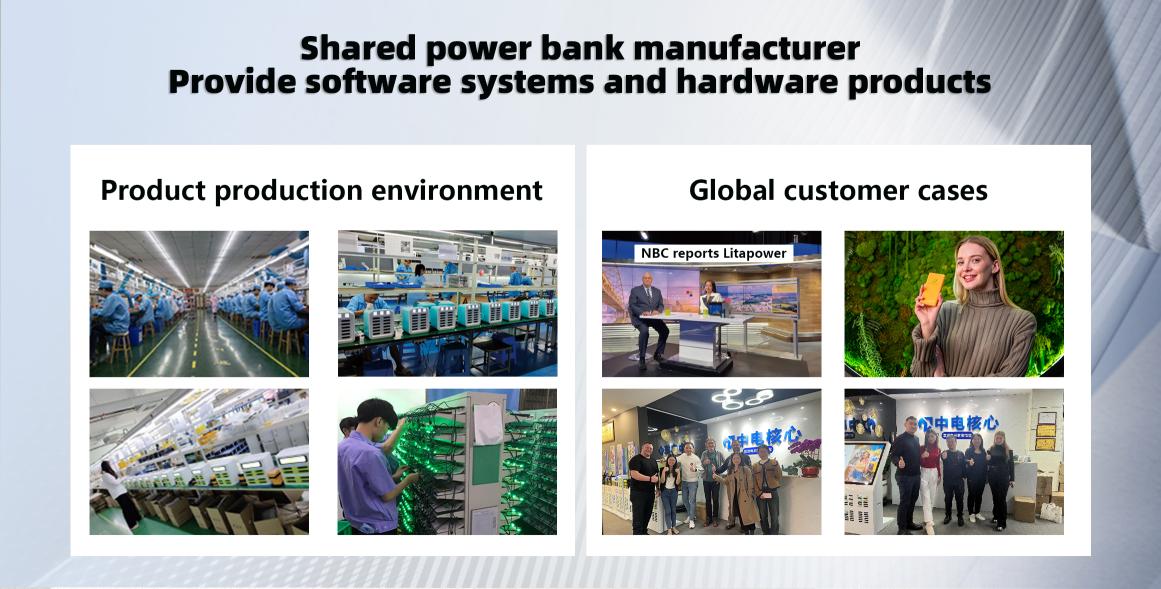
Zhongdian Core has end-to-end manufacturing capabilities and independently developed software systems, supporting independent deployment and source code delivery. Its products are sold in more than 100 countries and regions, and it serves over 600 brands worldwide. The company can provide OEM and private-label customization services, as well as integrated hardware and software solutions for shared power bank projects in Tunisia.
II. Shared Power Bank Revenue Models in Tunisia
After launching a shared power bank project in Tunisia, operators need to maintain ongoing brand promotion. Brand awareness can be increased through short videos on social media, collaborations with local influencers, advertising posters, and promotional campaigns with merchants. Rental prices should be tailored to local purchasing power. Membership benefits and promotional activities can also be introduced. Meanwhile, operators can analyze backend data, including orders, device utilization rates, and revenue, to optimize station locations and improve operational efficiency.
Revenue Models Explained
(1) Rental Revenue
Users scan a QR code to rent a shared power bank and pay according to the rental duration or the pricing rules configured in the local system. A rental price of USD 1–5 per transaction can serve as an initial reference for financial projections. Actual prices should be adjusted according to local purchasing power, competition, and operating costs, helping the shared power bank project in Tunisia establish a sustainable cash flow.
(2) Advertising Revenue
Shared power bank stations can serve as offline advertising touchpoints for commercial venues. Operators can develop advertising partnerships through screen advertisements, cabinet stickers, brand sponsorships, and promotional campaigns, creating additional revenue streams beyond rental fees.
 Company and Product Information Download


