


Colombia has a rapidly developing economy. Cities such as Bogotá and Medellín have dense commercial districts, a high proportion of young users, widespread adoption of local digital wallets, and strong potential for the sharing economy. Urban commercial areas, tourist attractions, and dining and entertainment venues enjoy steady customer traffic and substantial demand for phone charging. Consumers are also receptive to shared rental services. As a result, the shared power bank market in Colombia has significant potential and promising growth prospects.

I. Shared Power Bank Market Analysis and Strategy in Colombia
The shared power bank market in Colombia currently has relatively low overall coverage and limited competition, making it a promising emerging market. The country has a large young population, strong acceptance of shared services, and well-established local digital payment platforms such as Nequi and Daviplata. Shared power bank stations in Colombia can be deployed in commercial districts and tourist areas in Bogotá and Medellín, including restaurants, cafés, bars, and nightclubs. In addition to generating rental revenue, these services can help venues increase customer dwell time and boost sales.
Market Revenue Model Analysis
-
Equipment: 100 shared power bank stations, each with 8 ports.
-
Average daily revenue per station: Three rentals per day per station, at an hourly rental rate of RMB 3–6.
-
Estimated monthly revenue: Approximately RMB 27,000–54,000, assuming each rental is charged at the hourly rate for one hour. Actual revenue depends on rental frequency, average rental duration, and pricing.
-
Estimated payback period: Approximately 3–5 months as a project planning target. The actual period should be estimated based on equipment costs, software fees, location fees, venue revenue-sharing arrangements, maintenance and management expenses, and actual order performance. This estimate does not guarantee returns.
II. Shared Power Bank Solutions for Colombia
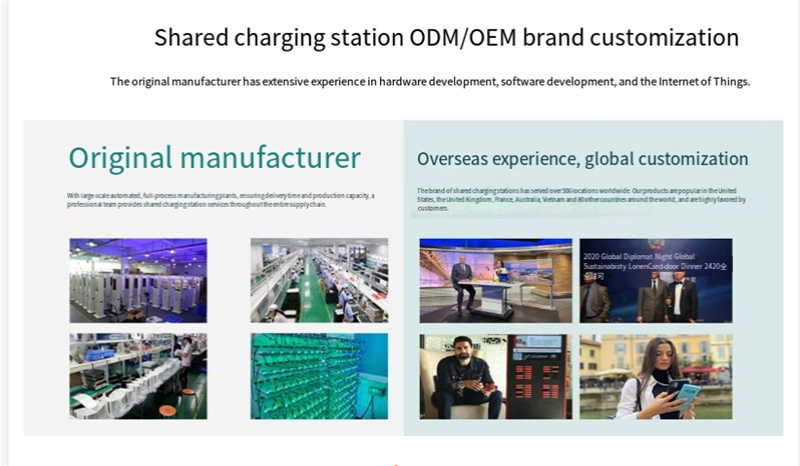
Zhongdian Core’s shared power bank factory has end-to-end manufacturing capabilities and independently developed software systems, supporting independent deployment and source code delivery. Its products are sold in more than 100 countries and regions, and it serves over 600 partner brands worldwide. For shared power bank projects in Colombia, the company provides OEM/private-label customization, software systems, and hardware solutions to help partners build their own brands and establish a presence in the local market.
Steps to Launch a Shared Power Bank Project in Colombia
1. Choose the Right Solution Provider
Whether you operate in the domestic market or target regions such as Europe, Southeast Asia, the Middle East, or the Americas, choosing a shared power bank factory with strong manufacturing capabilities, technical expertise, and international market experience is essential to project success. Key evaluation criteria include company qualifications, integrated hardware and software solutions, production and delivery capabilities, and certifications required for market access.
2. Develop Location Partnerships
Choose high-quality usage scenarios and work with established local agents, distributors, and channel partners in Colombia. Establish partnerships based on agreed revenue-sharing arrangements to secure desirable locations. Shared power bank stations with screens can also provide advertising opportunities for venue operators, such as cabinet stickers and on-screen advertisements, creating additional advertising revenue.
Priority locations include commercial districts, dining and entertainment venues, and tourist attractions in cities such as Bogotá and Medellín.
3. Manage Operations
After launch, build brand awareness through social media videos, influencer promotions, advertising posters, and on-site marketing. Develop rental pricing and membership programs based on local consumer habits, and establish advertising partnerships. Use backend data analysis to continuously optimize station placement and pricing strategies, improve equipment utilization, and increase overall project revenue.

 Company and Product Information Download


