


Kuwait is one of the higher-income countries in the Gulf region, with strong consumer purchasing power and a concentration of modern shopping malls, hotels, restaurants, entertainment venues, and commercial facilities. Kuwait City and its surrounding commercial districts offer a variety of consumer scenarios. Residents and visitors rely on smartphones for communication, navigation, photography, and social networking, creating potential growth opportunities for shared power bank projects in Kuwait.
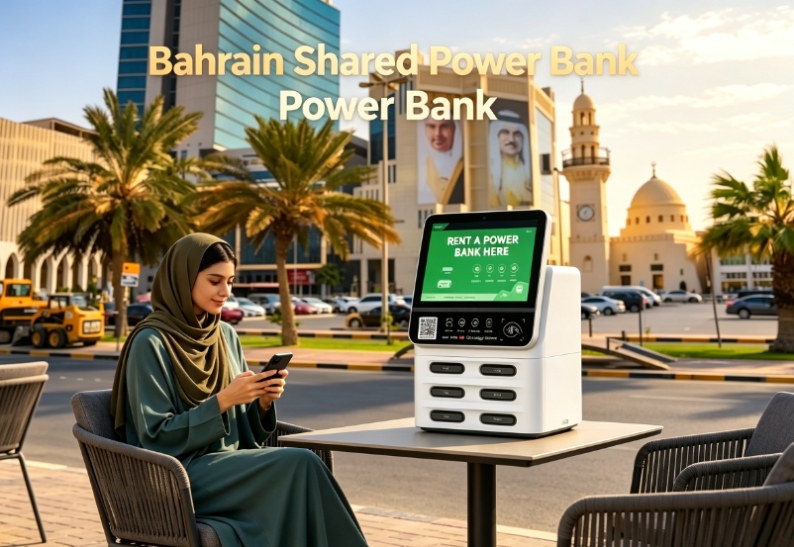
I. Shared Power Bank Market Analysis and Strategy in Kuwait
The actual market coverage, level of competition, and consumer acceptance of shared power banks in Kuwait need to be verified through further local market research. However, the country’s modern commercial facilities, relatively strong purchasing power, and widespread smartphone use provide a foundation for mobile charging services. Projects can initially explore shopping malls, hotels, dining and entertainment districts, and large event venues. Operators should test rental demand before expanding deployment.
Revenue Model Analysis
-
Equipment: 100 eight-slot shared power bank stations.
-
Average revenue per station: Three rentals per day per station, with an hourly rental rate of RMB 4–7.
-
Estimated monthly revenue: Approximately RMB 60,000, subject to actual rental duration and equipment utilization.
-
Estimated payback period: Approximately 3–5 months.
Shared power banks in Kuwait can be deployed in shopping malls, transportation hubs, large event venues, restaurants, cafés, bars, and nightclubs. In addition to generating rental revenue, the service makes charging more convenient for customers and adds value for venue operators. It may also encourage customers to stay longer and create more opportunities for additional spending.
II. Steps to Launch a Shared Power Bank Project in Kuwait
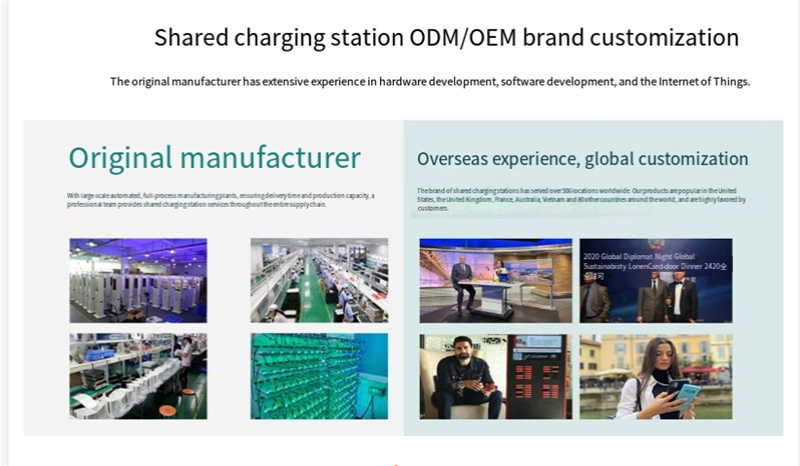
Step 1: Find Quality Local Partners
Litapower, the overseas brand of Zhongdian Core’s shared power bank factory, provides OEM/private-label customization, shared power bank software systems, and hardware solutions. These services help partners build their own branded businesses. For a project in Kuwait, operators should assess the requirements of local payment service providers and applicable regulations, confirm the payment solution and import requirements, and verify compliance with commercial operating rules before launching the project.
Step 2: Plan the Deployment Locations
Seek cooperation with local agents, channel partners, and venue operators in Kuwait. Priority locations to evaluate in Kuwait City include shopping malls, restaurant chains, cafés, hotels, bars, nightclubs, and tourist attractions. Begin with a small-scale pilot to assess foot traffic, rental frequency, and venue partnership conditions, then gradually select and expand into high-performing locations.
Step 3: Build the Operating Team
It is advisable to work with local partners in Kuwait to develop the project jointly. Activities may include brand promotion, social media videos, influencer endorsements, and advertising posters to build market awareness and strengthen trust in the equipment and brand.
Operational management should focus on effective pricing strategies, membership programs, and advertising partnerships to support stable revenue. Operators can also use backend data analysis to continuously refine deployment locations and pricing strategies.
 Company and Product Information Download


