


Iran is one of the important markets in the Middle East. Cities such as Tehran, Mashhad, and Isfahan have commercial centers and popular tourist attractions where visitors rely on their smartphones for navigation, photography, and sightseeing. Local residents also depend heavily on their phones for everyday social interaction and communication. With relatively high power bank rental prices and limited public charging locations, shared power banks in Iran offer promising blue-ocean market opportunities and profit potential.
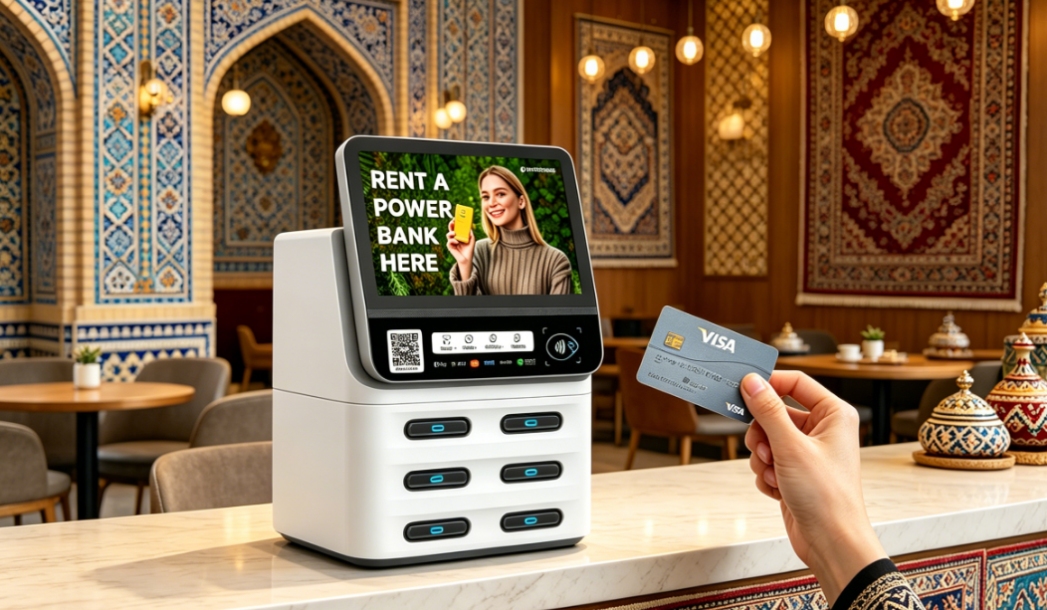
I. Iran Shared Power Bank Market Analysis and Strategy
To launch a shared power bank project in Iran, operators can initially assess shopping malls, dining and entertainment districts, hotels, and transport hubs in cities such as Tehran, then gradually expand into tourist attractions and large event venues. In the early stages, it is advisable to run pilot operations at locations with stable foot traffic and longer customer dwell times, adjusting deployment strategies according to rental frequency, rental duration, and device utilization.
Shared Power Bank Application Scenarios in Iran
Bars, KTV venues, nightclubs, hotels, restaurants, cafés, and convenience stores
Advantages: Customers often stay for extended periods and use their smartphones frequently. Shared power banks can make charging more convenient and create additional revenue opportunities for venue owners.
Shopping malls, events and exhibitions, metro stations, railway stations, and tourist attractions
Advantages: These locations often attract concentrated customer traffic. Consumers and tourists need to keep their phones charged for navigation, photography, and communication, making them suitable for strategically placed charging stations based on actual foot traffic.
Shared Power Bank Revenue Model Analysis
Equipment: 100 eight-slot stations, each fully stocked with power banks.
Average daily performance per station: Three rentals per day, calculated at RMB 6 per rental hour.
Estimated monthly rental revenue:
100 stations × 3 rentals per day × RMB 6 × 30 days = RMB 54,000
Estimated payback period: Approximately 3–6 months, depending on equipment costs, location fees, revenue-sharing arrangements, and actual device utilization.
By working with local agents and channel partners, operators can negotiate revenue-sharing arrangements with venue owners, secure high-quality locations, and coordinate daily operations and maintenance. Investing in shared power banks in Iran can provide customers with convenient charging services, potentially encourage longer stays at venues, and create opportunities to increase sales across different business settings.
II. Shared Power Bank Solutions for Iran
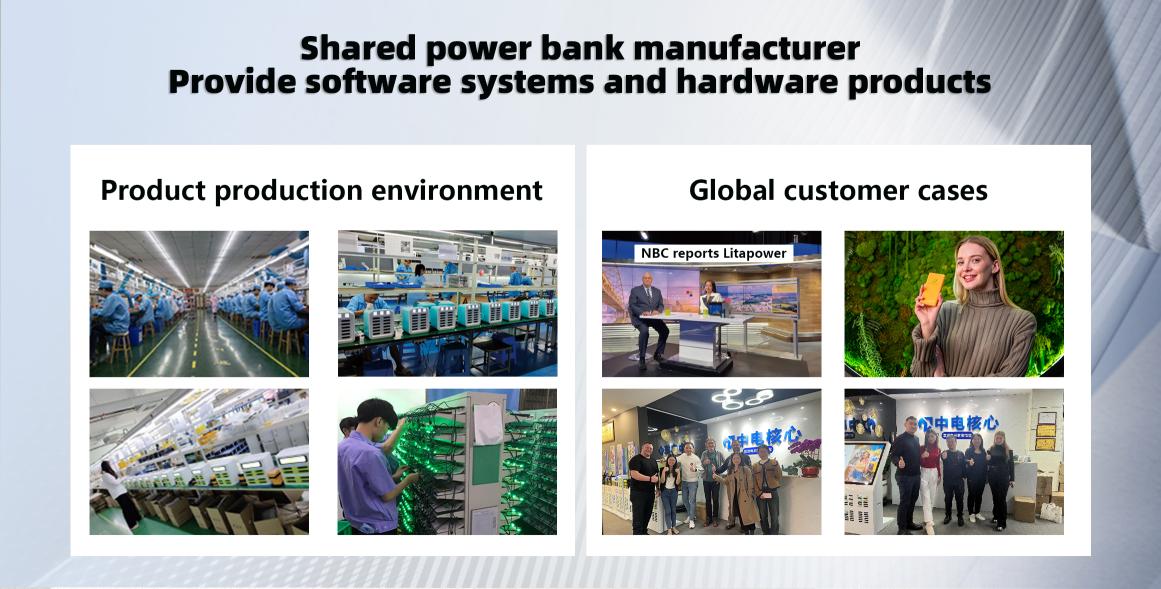
Finding reliable partners is essential. Litapower, the overseas shared power bank brand under Zhongdian Core, provides customized hardware and software solutions, as well as OEM/ODM private-label customization services, helping partners build their own brands. For the Iranian market, payment integration and project implementation should proceed only after confirming the admission requirements of local payment service providers, equipment import requirements, and applicable regulations.
Looking ahead, shared power bank projects in Iran can begin with commercial locations in major cities such as Tehran and gradually expand into hotels, tourist attractions, and large event venues. Through small-scale pilot testing, data analysis, and channel partnerships, operators can establish an operating network better suited to local market needs.
 Company and Product Information Download


