


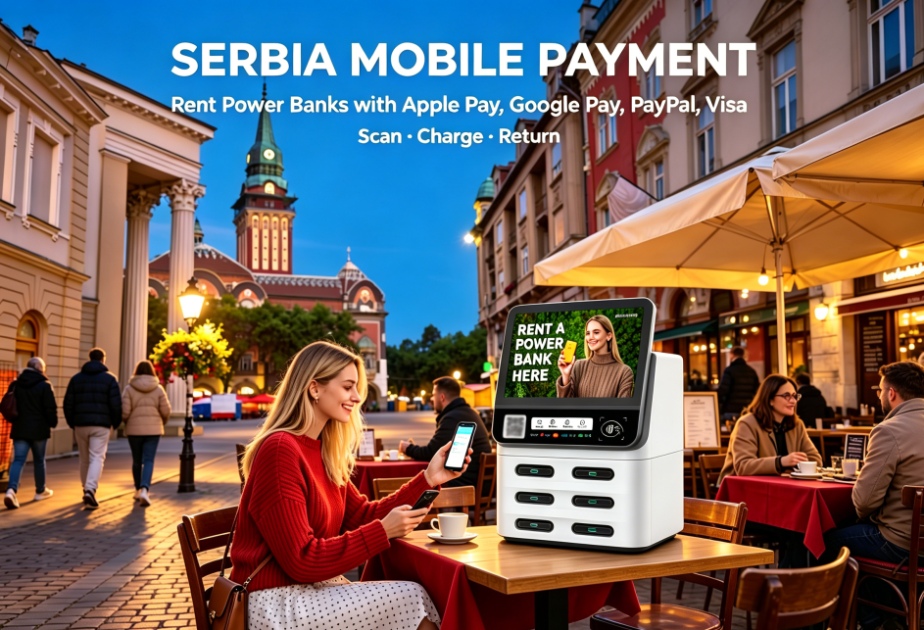
Serbia is a popular tourist destination in Central and Eastern Europe. Belgrade and Novi Sad feature charming historic districts and abundant cultural and tourism resources. Visitors rely on their smartphones for navigation, photography, and online communication, creating steady demand for emergency charging on the go. This makes the shared power bank market in Serbia a promising blue-ocean opportunity in Europe.
I. Serbia Shared Power Bank Market Analysis and Strategy
Contactless payments are gradually becoming more widespread in Serbia’s major cities. Visa, Mastercard, and various mobile wallets are widely used, while younger consumers are increasingly receptive to self-service rental services. Serbia has not yet developed a nationwide shared power bank brand, leaving many promising locations available for development in tourist attractions, transport hubs, and commercial streets. With relatively limited competition, entering the Serbian shared power bank market early can help operators secure prime locations and capture emerging opportunities in the Balkans.
Key factors for launching shared power banks in Serbia:
(1) Payments, Software, and Compliance
Shared power bank services in Serbia should support local NBS IPS instant payments, Visa and Mastercard bank cards, and international payment options such as Apple Pay and Google Pay. The user interface should support both Serbian and English. Applicable local compliance requirements and certifications should also be completed to accommodate the needs of local residents and cross-border visitors.
(2) How to Deploy Shared Power Banks
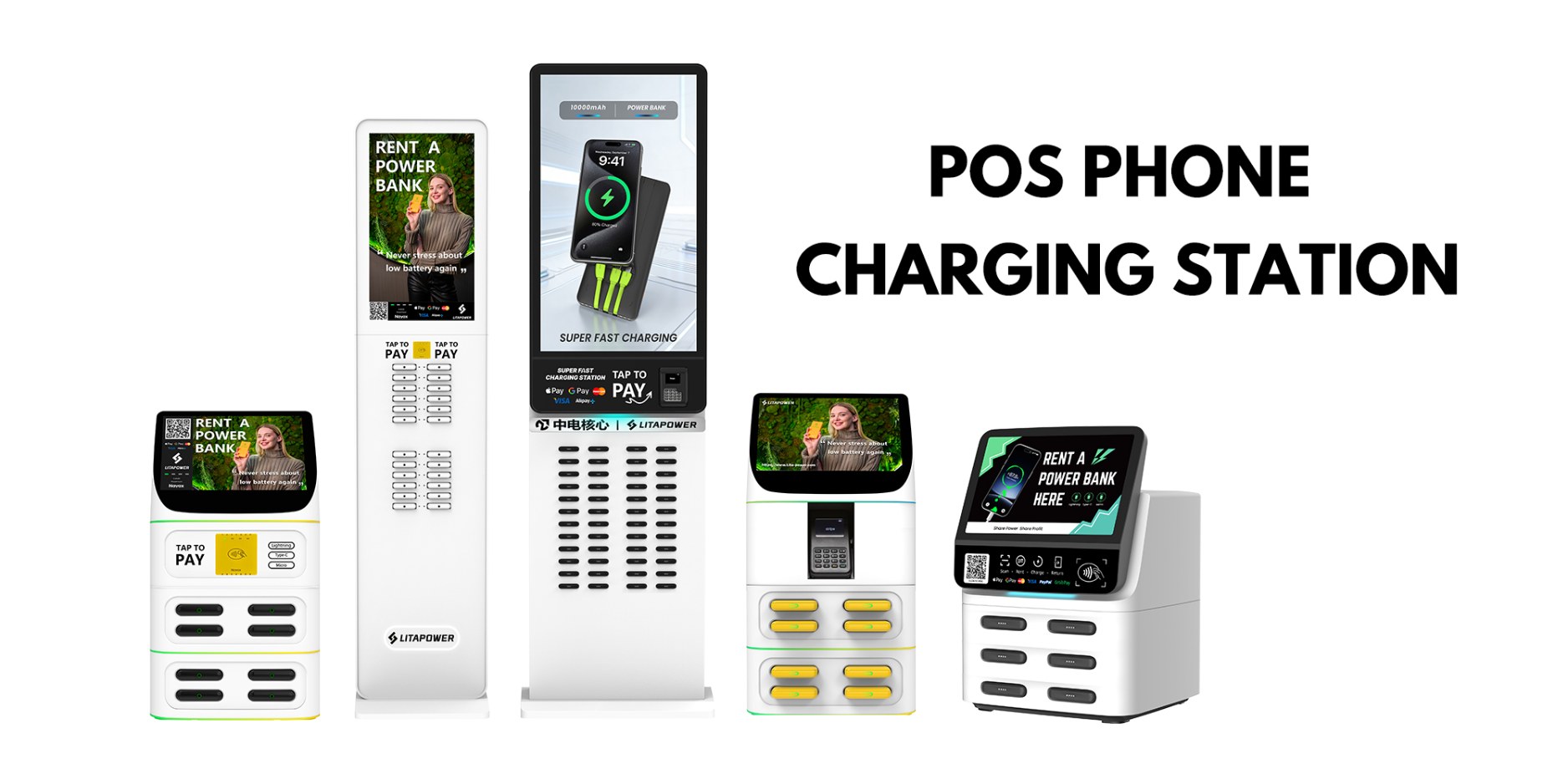
Initial deployment can focus on Belgrade’s commercial centers, shopping malls, restaurants, bars, and areas around hotels, followed by a gradual assessment of commercial and tourist locations in other cities, including Novi Sad. Operators can increase user awareness through merchant partnerships, clear on-site rental instructions, and first-rental discounts. The number of stations should be adjusted progressively according to customer traffic, venue conditions, and pilot results.
(3) Backend Management and Operations
The remote management platform for shared power banks in Serbia can synchronize device operating status, revenue data, and order details in real time. Operators can analyze backend data to continuously optimize device placement and profitability strategies, relocate stations when necessary, adjust promotional campaigns, and introduce additional revenue streams.
II. How to Make a Profit from Shared Power Banks in Serbia
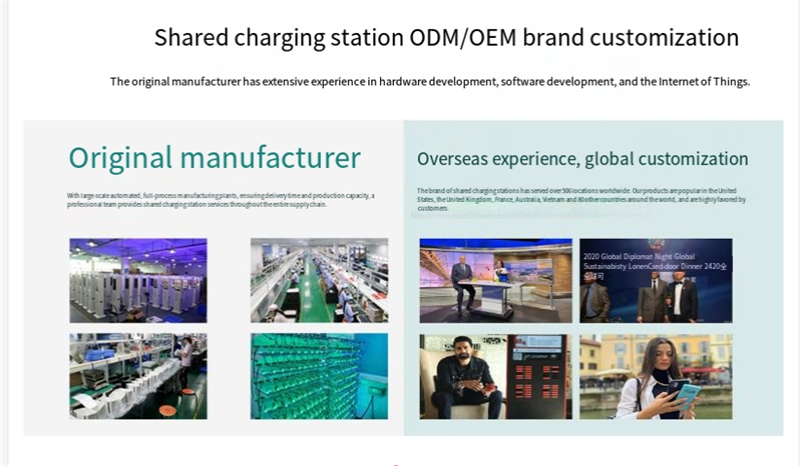
Litashared, the overseas brand of Zhongdian Core, a shared power bank manufacturer, provides hardware and software solutions and OEM private-label customization services for Serbia and other overseas markets in Europe and neighboring regions. For the Serbian market, local and international payment options can be evaluated according to partners’ needs and the integration capabilities of payment service providers. These services help partners build their own brands and support project implementation and ongoing operations.
Shared Power Bank Profit Models in Serbia
Operators in Serbia can adopt proven shared power bank business models, using rental fees as the primary source of revenue and charging according to usage duration. Prices can be adjusted dynamically based on time periods and holidays. Station cabinets equipped with screens can generate additional advertising revenue through commercial partnerships. Regular promotional campaigns and membership top-up programs can also encourage repeat rentals and diversify project revenue streams.
 Company and Product Information Download
.jpg)

.jpg)

.jpg)
.jpg)
.jpg)


