


Sweden has a mature digital consumer environment and a high rate of smartphone usage. Residents and tourists have consistent charging needs when using their phones while working remotely, sightseeing, and shopping. Shared power banks in Sweden are therefore an attractive business opportunity in Europe’s shared charging market, with the advantage of high average spending per customer.
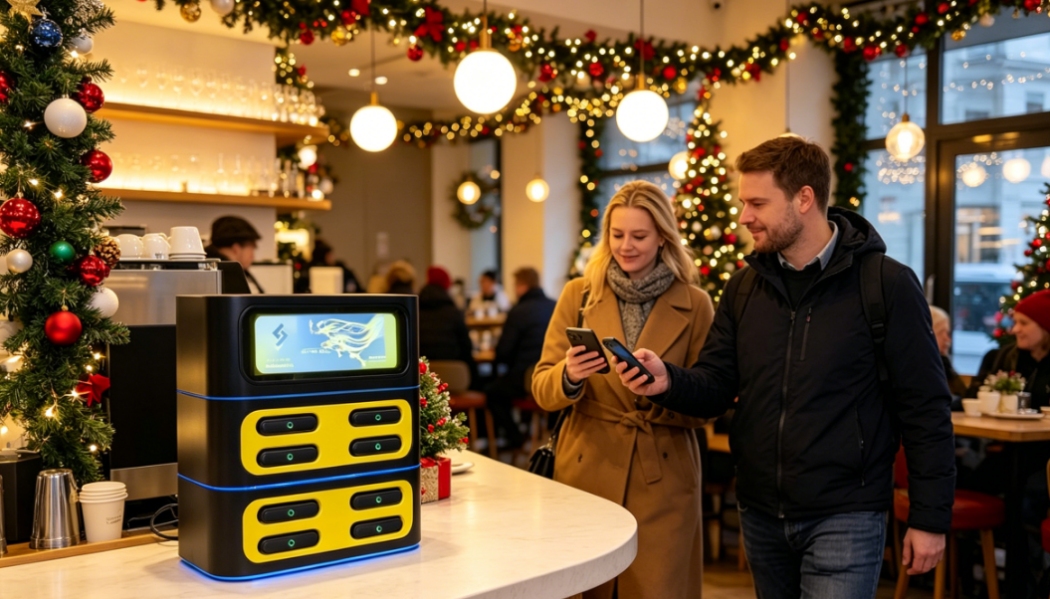
I. Analysis of the Shared Power Bank Market in Sweden
Shared power bank projects in Sweden can initially focus on cities such as Stockholm, Gothenburg, and Malmö, prioritizing shopping malls, restaurants, transportation hubs, and commercial areas near tourist attractions. The widespread adoption of digital payments makes it practical to evaluate QR-code rentals and cashless payment models. With strong consumer purchasing power across the Nordic region, early investment in shared power banks in Sweden can help businesses capture market opportunities and benefit from considerable growth potential.
Key Factors for Launching Shared Power Bank Projects in Sweden:
(1) Localized Implementation
Shared power bank projects in Sweden should evaluate integration with the local payment service Swish, as well as Visa, Mastercard, and other locally supported payment options. Actual integration depends on the merchant eligibility requirements and business conditions of each payment provider. The software interface should support Swedish and English. Applicable certifications, such as CE, and local compliance requirements should also be confirmed according to the product type and sales model.
(2) Shared Power Bank Deployment
For the initial rollout, evaluate commercial districts in central Stockholm, shopping malls in Gothenburg, and dining and entertainment areas in Malmö. Deployment should be phased according to venue partnership opportunities, safety conditions, and foot traffic. Begin with a pilot project, then gradually expand the number of devices based on rental frequency and equipment utilization rates.
(3) Backend Management and Operations
The remote backend system for shared power banks can be used to monitor device status, orders, and revenue data. Operators can optimize equipment placement, rental prices, and promotional offers according to location performance. Additional revenue streams, such as screen advertising, membership services, and merchant partnerships, can also be explored.
II. How to Generate Revenue from Shared Power Banks in Sweden
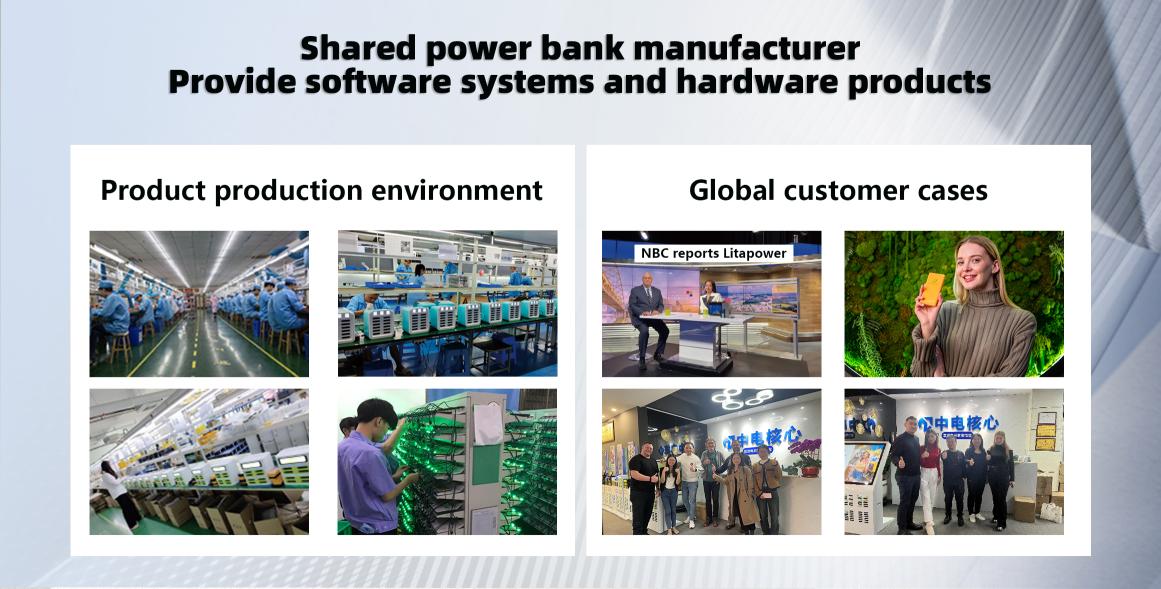
Litapower, the overseas brand of Zhongdian Core shared power bank factory, provides customers in Sweden with software and hardware solutions as well as OEM private-label customization services. These include shared power bank cabinets, rental management backends, application interfaces, and customized payment systems. Depending on the integration capabilities of local payment providers, projects can evaluate local payment services, bank card payments, and international payment options. Multilingual software support is also available to help partners establish their own brands and localized operating systems.
Shared Power Bank Profit Models in Sweden:
Shared power bank businesses in Sweden can adopt hourly rental fees, with prices adjusted flexibly according to venue foot traffic, consumer spending power, and equipment utilization. Charging cabinets with screens can generate additional advertising revenue through commercial partnerships. Membership top-ups, promotional offers, and merchant partnerships can also encourage repeat rentals. During the initial stage, operators should focus on evaluating equipment utilization, venue costs, and operating expenses before gradually expanding into additional commercial locations.
 Company and Product Information Download
.jpg)

.jpg)

.jpg)
.jpg)
.jpg)


