


Urban consumer activity in Ukraine remains strong. In major cities such as Kyiv and Lviv, smartphone penetration is high, and people frequently use their phones for communication, navigation, and online services. There is steady demand for mobile charging while shopping, commuting, and enjoying leisure activities. Shared power banks in Ukraine therefore represent a promising shared charging business opportunity in the European market.
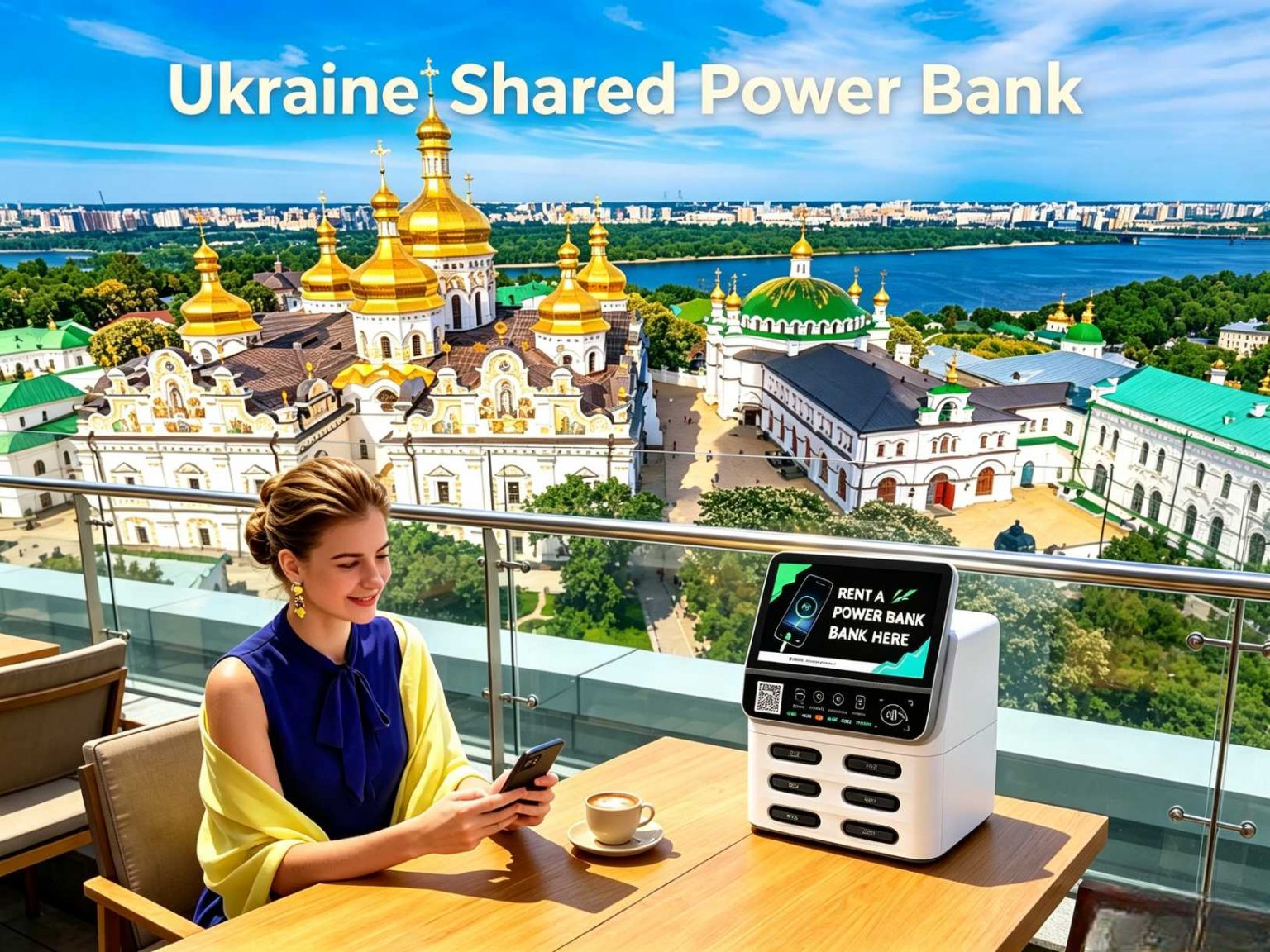
I. Ukraine Shared Power Bank Market Analysis and Strategy
Shared power bank projects in Ukraine can initially focus on commercial complexes, dining and entertainment venues, and locations near transportation hubs in cities such as Kyiv and Lviv. Project implementation should take into account local operating conditions, equipment supply, payment convenience, and available venue partnerships. Operators can begin with small-scale pilot deployments and expand coverage based on order volume and equipment utilization. With implementation supported by established European compliance frameworks, the Ukrainian shared power bank market offers promising growth potential.
Steps for launching a shared power bank business in Ukraine:
(1) Choose an ODM power bank manufacturer
Prioritize ODM manufacturers that have obtained relevant certifications, including CE, RoHS, and UN38.3, and have experience deploying projects in Europe, such as Zhongdian Core. This can reduce compliance preparation time and accelerate entry into the local market. A mature software system is also important for integrating Ukrainian payment methods and meeting applicable compliance and certification requirements.
(2) Payment integration and localized UI
Shared power bank projects in Ukraine should evaluate integration with local digital wallets such as Privat24 and Monobank, bank cards including Visa and Mastercard, and international payment methods such as Apple Pay and Google Pay. The user interface should support Ukrainian and English to match local user preferences and improve usability.
(3) Shared power bank deployment
For the initial rollout, evaluate shopping malls, dining and entertainment venues, and commercial districts in cities such as Kyiv and Lviv, taking actual operating conditions into account. Deployment should be phased according to foot traffic, security considerations, and venue partnership conditions, with an emphasis on pilot operations at the beginning. Once operational data becomes stable, the number of devices and coverage areas can be expanded gradually.
(4) Backend management and operations
The shared power bank backend system can be used to monitor device status, orders, and revenue data. Operators can adjust equipment placement, rental prices, and promotional offers according to device utilization, rental frequency, and location performance. Additional revenue streams, such as advertising displays and membership services, can also be explored.
II. How to Launch and Profit from a Shared Power Bank Business in Ukraine
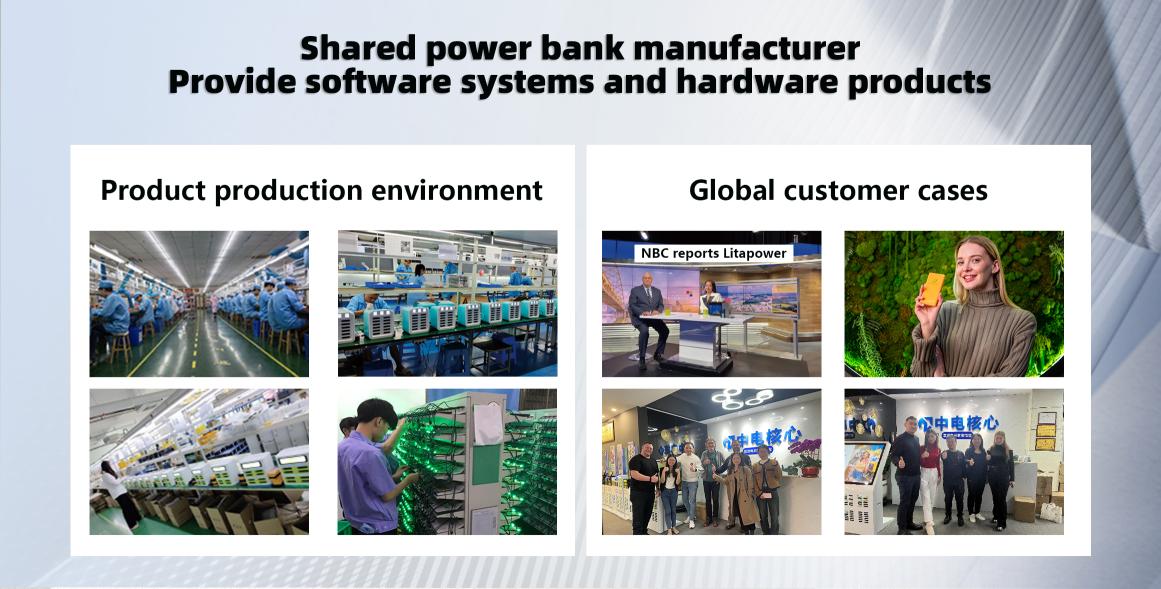
Litapower, the overseas brand of Zhongdian Core shared power bank factory, provides shared power bank customers in Ukraine with software and hardware solutions and OEM private-label customization services. These cover shared power bank cabinets, rental management backends, application interfaces, and customized payment systems. Depending on the integration capabilities of local payment providers, projects can evaluate bank card payments, international payment methods, and local payment options. Multilingual software support is also available to help partners establish their own brands and localized operating systems.
Shared power bank profit models in Ukraine:
Shared power bank businesses in Ukraine can adopt hourly rental fees as their basic revenue model, with prices tailored to local spending levels, venue foot traffic, and equipment utilization. Charging cabinets with screens can generate additional advertising revenue through commercial partnerships. Membership top-ups, holiday promotions, and merchant partnerships can also help increase repeat rentals. During the initial stage, operators should focus on validating equipment utilization, operating costs, and the payback period before gradually expanding into more cities and commercial scenarios.

 Company and Product Information Download
.jpg)

.jpg)

.jpg)
.jpg)
.jpg)


