


Israel’s shared power bank market benefits from a developed technology industry, a high level of digitalization, and a strong foundation of mobile device usage. Currently, few brands have entered the local shared power bank market, while there is still significant room for refined deployment across different scenarios, making Israel a high-value blue-ocean market in West Asia with strong average customer spending.
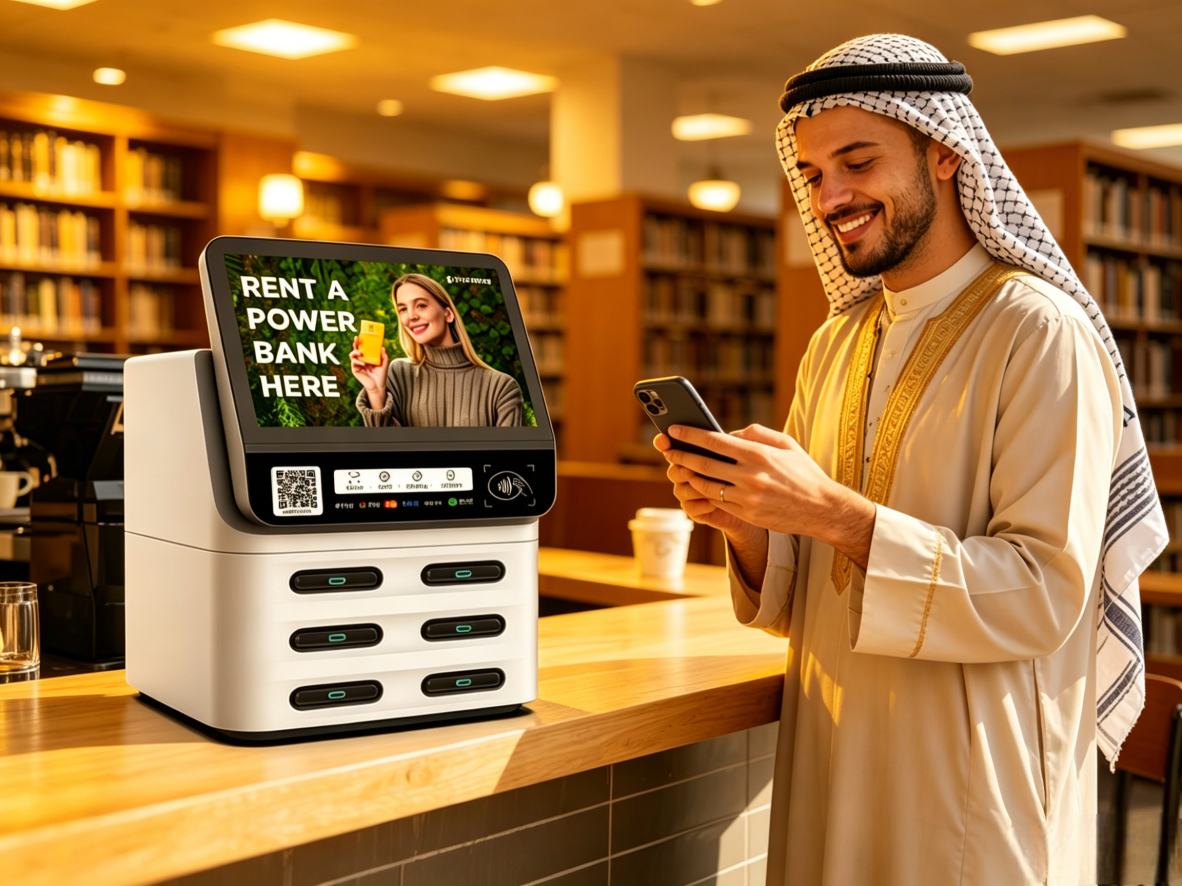
I. Localized Deployment of Power Banks in Israel
Israel has a relatively mature technology industry and digital payment system, with users showing high acceptance of mobile payments, digital wallets, and smart devices. Contactless payments account for approximately half of transaction volume, while mobile wallet payments account for around 17%, providing a solid foundation for small-value digital rental payments for shared power banks.
Shared power bank deployment in Israel can begin with small-scale pilot projects in selected scenarios, such as stores, bars, nightclubs, shopping malls, transportation hubs, and tourist attractions, while cooperating with local agents and channel partners. Equipment revenue can be shared with venue partners according to the cooperation model, with daily operation and maintenance managed accordingly. Shared power banks can not only solve users’ temporary charging needs, but also extend customers’ stay at venues and create additional points of consumer engagement.
Key points for localized deployment:
(1) Payment Integration
Integrate with local payment applications such as Bit and PayBox, while supporting bank cards such as Visa and Mastercard, as well as international digital wallets such as Apple Pay and Google Pay. Israel’s payment system already supports EMV, NFC contactless payments, and digital wallets, providing a relatively mature payment foundation for small-value shared power bank rentals.
(2) Brand Promotion:
Increase brand awareness through local influencers, short videos, posters, and other marketing channels. Brand promotion can also be integrated into high-traffic scenarios such as sporting events, football matches, music festivals, and commercial activities to expand user reach for shared power banks.
(3) Pricing and Marketing
Revenue can be expanded through hourly rentals, advertising partnerships, and marketing campaigns. Shared power banks in Israel can initially test a price range of US$0.5–2 per hour, with pricing adjusted according to location, consumer spending power, and operating costs. A monthly membership plan of US$10–15 can also be introduced, while first-rental discounts and free rental credits can help lower the barrier for first-time users.
II. Shared Power Bank Factory Solutions
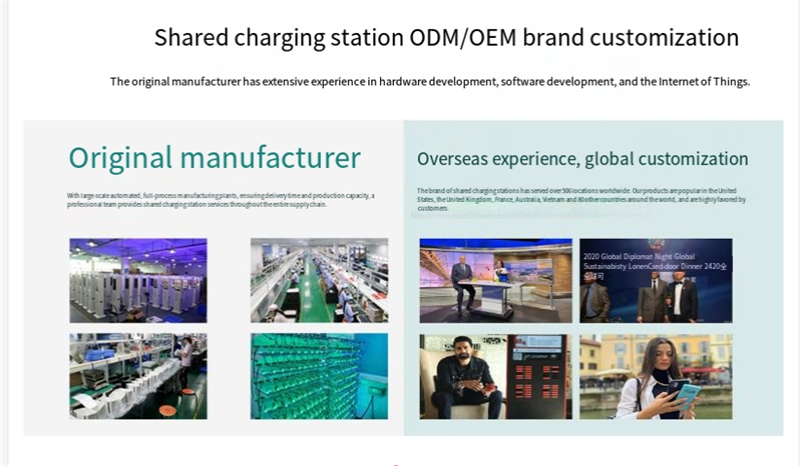
Litapower, the overseas brand of Zhongdian Core shared power bank factory, provides overseas partners with shared power bank OEM private-label customization, software and hardware solutions, pricing standards, and operation management training. The company supports local payment integration and market compliance, helping partners build their own shared power bank brand in the Israeli market.
The project can achieve comprehensive localization: support major Israeli digital wallets and international credit card payments, secure key locations through revenue-sharing cooperation with local channels, and implement refined operations from initial customer acquisition and traffic generation to dynamic daily pricing. At the same time, local compliant entities can be utilized to complete business certifications and risk-control filings, helping ensure long-term and stable project operations.
 Company and Product Information Download
.jpg)

.jpg)

.jpg)
.jpg)
.jpg)


