


The United States has a mature commercial system, a well-developed digital payment infrastructure, and a high smartphone usage rate, creating significant offline application potential for shared power bank rental services. Market research institutions have produced noticeably different estimates of the U.S. shared power bank rental service market. However, supported by the advantages of the high-end consumer market, shared power banks in the United States offer sufficient profit potential. With proper localization and refined operations, operators can achieve long-term and stable returns.
I. What Should You Pay Attention to When Operating Shared Power Banks in the United States?
(1) Market Compliance
The United States has strict market access requirements for electronic products. Shared power bank equipment may need to obtain multiple authoritative certifications, including FCC and DOE certifications, while also complying with local data and payment regulations. The market entry threshold is relatively high. New operators can consult local electronic product regulatory authorities or engage local compliance consulting companies to conduct qualification assessments.
For overseas investors, cooperating with a Chinese shared power bank manufacturer with experience in product R&D, certification, and project implementation can help reduce upfront compliance and supply chain communication costs.
(2) Location Selection
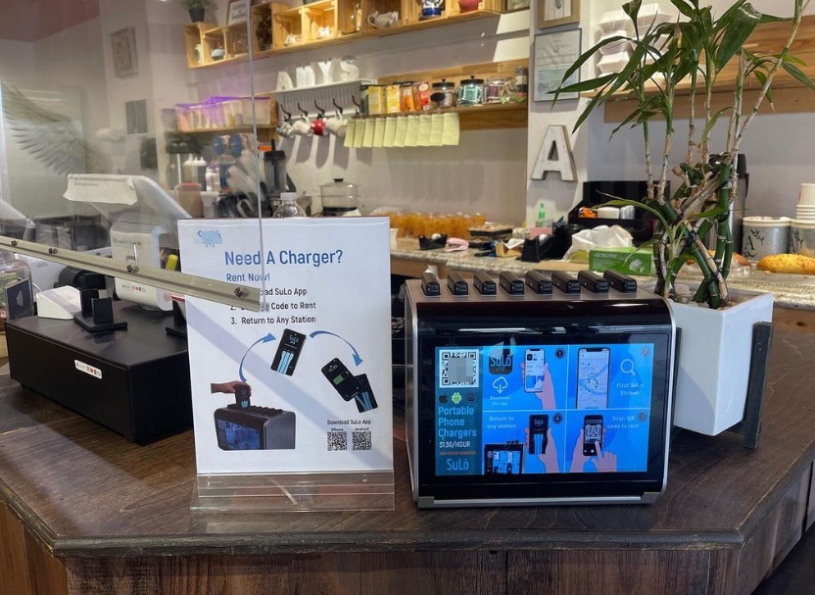
Shared power banks in the United States are more suitable for high-traffic locations, places with long dwell times, and scenarios where smartphones are used frequently. Chain hotels, cafés, bars, nightclubs, and restaurants are suitable for longer stays and can increase rental opportunities. Airports, public transportation hubs, shopping malls, large supermarkets, tourist attractions, sports venues, and large event locations can leverage stable visitor traffic to generate more immediate charging demand.
(3) Development Trends
U.S. users place strong emphasis on service experience, and the market is moving toward higher-quality and more convenient services. Deposit-free rentals, multiple payment methods, fast charging, and smart returns have increasingly become standard features in the industry. They are also key factors for new brands entering the market. Only by continuously upgrading services according to user needs can operators improve their competitiveness.
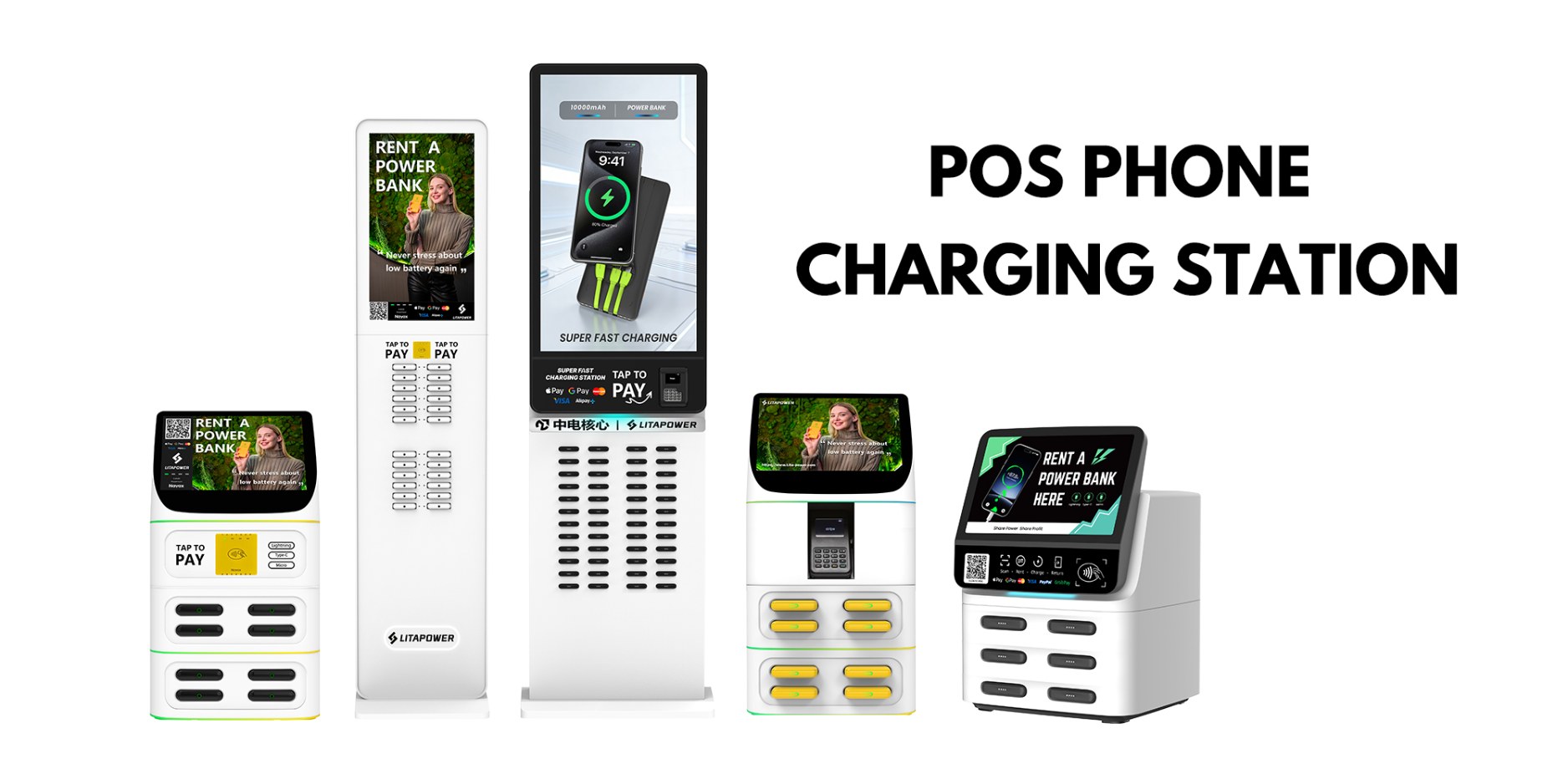
Litapower’s Differentiated Competition: The equipment features an industry-exclusive 10,000mAh quasi-solid-state battery and supports 22.5W super-fast charging, making it suitable for a wide range of electronic devices. The charging stations can be equipped with Nayax and POS card payment modules, adapting well to mainstream card payment habits in the United States. The equipment uses a patented dual-lock anti-theft design, offering stable and secure operation, with a failure rate below 0.12% and a service life of 3–5 years. This makes it a long-lasting, low-cost, and high-return equipment solution for overseas investment.
II. How to Acquire Customers and Manage Operations in the U.S. Market?
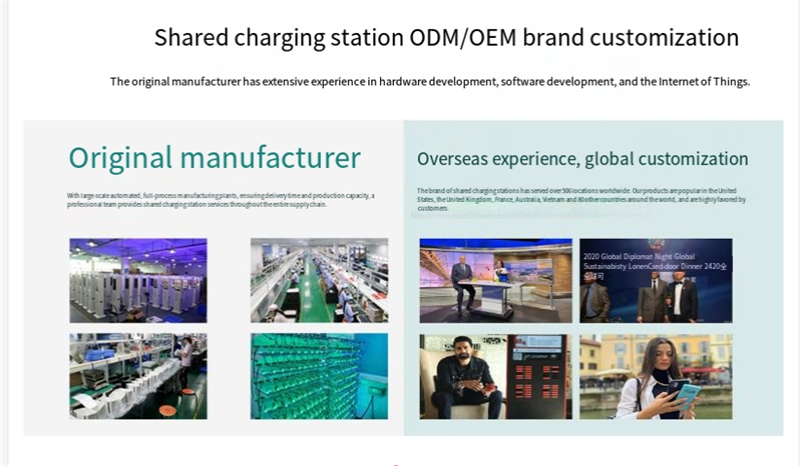
Litapower, the overseas brand under Zhongdian Core, has extensive experience in the shared power bank markets of Europe and the United States. It provides partners with shared power bank OEM and private-label customization, integrated software and hardware solutions, compliance certification support, pricing standards, and comprehensive operations training, helping them build their own local U.S. brand.
(1) Large-Scale Deployment
Prioritize high-value locations such as shopping malls, tourist attractions, airports, transportation hubs, sports venues, and large event locations. Then work with local merchants to negotiate partnerships and deploy equipment on a larger scale, creating regional coverage advantages and rapidly accumulating initial users and orders.
(2) Brand Promotion
The U.S. market requires continuous localized brand promotion. Brand exposure can be increased through social media, Google Ads, short videos, posters, outdoor advertising, and in-location advertising. Operators can also cooperate with local influencers, content creators, and travel bloggers.
(3) Operations Management
Develop localized dynamic pricing strategies, establish membership programs to improve user retention, generate additional revenue through advertising on charging stations, and use backend data to monitor orders and traffic in real time. Based on these insights, operators can dynamically adjust location deployment and marketing campaigns to continuously expand the project’s profit potential.

 Company and Product Information Download
.jpg)

.jpg)

.jpg)
.jpg)
.jpg)


