


India’s mobile internet user base has exceeded 800 million, with UPI processing over 1.5 billion transactions per day. Smartphone penetration has surpassed 90%, while commercial districts in Mumbai, Delhi, and major tourist attractions experience extremely high foot traffic. The demand for smartphone battery life is increasingly urgent. The shared power bank market in India still has strong incremental growth potential. By integrating local payment systems, India’s shared power bank industry can achieve stable deployment and profitability.
_metool.jpg)
1. Introduction to Payments in India
Shared power bank systems in India support both local micro self-service rental payments and international payment methods.
1. Paytm Payment
Paytm is one of India’s leading local e-wallets, with over 20 million merchants. It relies on the UPI system for low-value QR code settlements, offering low transaction fees and widespread acceptance across cities.
2. PhonePe Payment
PhonePe is a national-level UPI wallet with the highest usage rate among young users. It supports unmanned QR code rental scenarios, enabling instant settlement for small payments.
3. RuPay Local Bank Card Payment
RuPay is India’s domestic card clearing system. It is the standard local debit card option, supporting NFC tap-to-pay and POS card swiping, with full offline terminal coverage.
4. Visa & Mastercard Payment
These are globally accepted credit cards, mainly used in hotels, airports, and travel-related services, designed for foreign tourists and business travelers.
2. Shared Power Bank Rental Methods in India
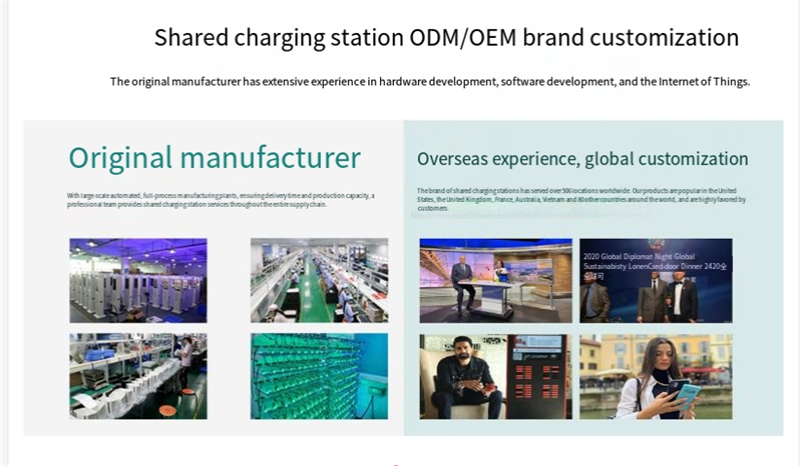
Shared power bank mobile payments in India must cover multi-scenario payment entry points to improve rental convenience. Zhongdian Core shared power bank factory customizes integrated hardware and software solutions for the Asian market. It has completed payment integration with Paytm, PhonePe, RuPay, Visa, and supports independent software deployment. It also provides OEM private-label manufacturing services. With multi-model device support and full-scenario deployment, it has become a high-quality service provider for shared power bank brands expanding overseas in Asia.
QR Code Rental:
Devices mainly integrate Paytm and PhonePe UPI QR code channels, aligning with local consumers’ QR-based payment habits. This is the primary payment method for shared power banks in India.
NFC Contactless Rental:
Compatible with Google Pay linked to RuPay cards. Users can complete payments with a simple tap, simplifying the rental process and reducing operational friction.
POS Card Swipe Rental:
Built-in card terminals support RuPay debit cards and are also compatible with Visa and Mastercard. This covers local users without e-wallets as well as international travelers.
With the rapid development of Asia’s shared power bank economy, devices in India must support high payment compatibility to serve both local users and international tourists, unlocking the blue ocean market potential.
 Company and Product Information Download
.jpg)

.jpg)

.jpg)
.jpg)
.jpg)


