


Croatia has abundant coastal tourism resources, an active restaurant and entertainment market, and a well-established bank card payment environment, providing favorable conditions for the development of shared power bank services. According to the Croatian National Tourist Board, Croatia welcomed more than 21.8 million tourists in 2025, recording approximately 110.1 million overnight stays, of which 104.6 million were along the Adriatic coast.
During their travels, tourists frequently use smartphones for navigation, photography, mobile payments, and social media sharing. Hotels, tourist attractions, restaurants, and transport hubs therefore offer promising application scenarios for shared power banks.
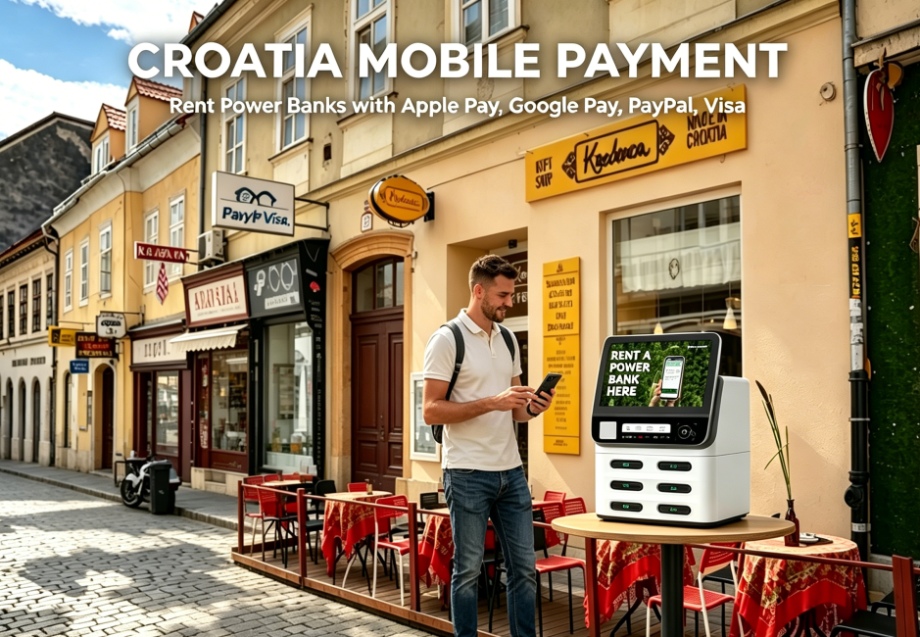
I. Insights into the Shared Power Bank Market in Croatia
Currently, Croatia has no dominant local shared power bank brand. Only a small number of international brands have deployed stations sporadically, and existing locations remain relatively scattered.
Litashared, an international brand serving overseas markets, is a major participant in Croatia's shared power bank market. Many Croatian entrepreneurs and investors use its private-label software and hardware customization services to establish and operate their own local brands. Its deployments cover commercial districts, tourist attractions, and coastal dining areas in Zagreb, Dubrovnik, and Split.
The Croatian shared power bank market has not yet become monopolized, and overall penetration remains relatively low. Beyond major urban markets such as Zagreb and Split, numerous coastal towns and island tourist destinations still have considerable untapped potential.
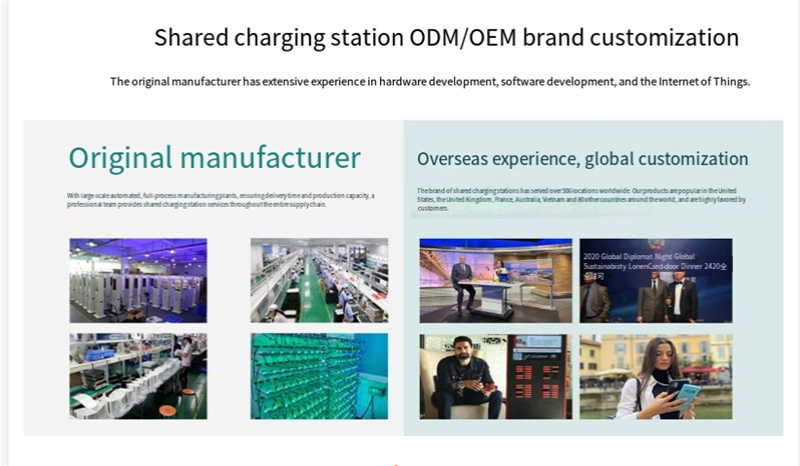
Litashared, the international brand under Zhongdian Core's shared power bank manufacturing business, provides OEM and private-label customization services, as well as integrated shared power bank software and hardware solutions for projects in Croatia, helping partners build their own branded presence in the local market.
II. Multi-Scenario Deployment of Shared Power Banks in Croatia
1. Dubrovnik – A Famous Coastal Tourism Destination
City characteristics: Dubrovnik is a popular tourist destination known for its historic Old Town and scenic coastline. Visitor traffic remains strong throughout much of the year, with a high proportion of tourists from Europe and North America. Visitors also tend to spend extended periods exploring outdoor attractions.
Priority locations: Old Town tourist areas, coastal hotels, sea-view restaurants, cafés, specialty bars, and cruise and excursion boat terminals.
2. Split – A Major Tourism and Transport Hub on the Dalmatian Coast
City characteristics: Split is Croatia's second-largest tourism city. Diocletian's Palace and the popular ferry routes to nearby islands attract substantial visitor traffic, although demand is highly seasonal.
Priority locations: Port terminals, resort hotels, commercial streets, specialty restaurants, and tourist information and gathering centers.
Shared power bank projects in Croatia can adopt a strategy of establishing a presence in major cities first, followed by expansion into coastal tourist destinations.
Zagreb is suitable for validating year-round operations, while coastal cities such as Split and Dubrovnik require flexible equipment deployment to accommodate the summer tourism peak.
Beyond the major tourist cities, hotels, restaurants, seaside commercial streets, ports, and festival venues also deserve further exploration. These locations offer additional opportunities for developing local brands and expanding shared power bank station networks.